
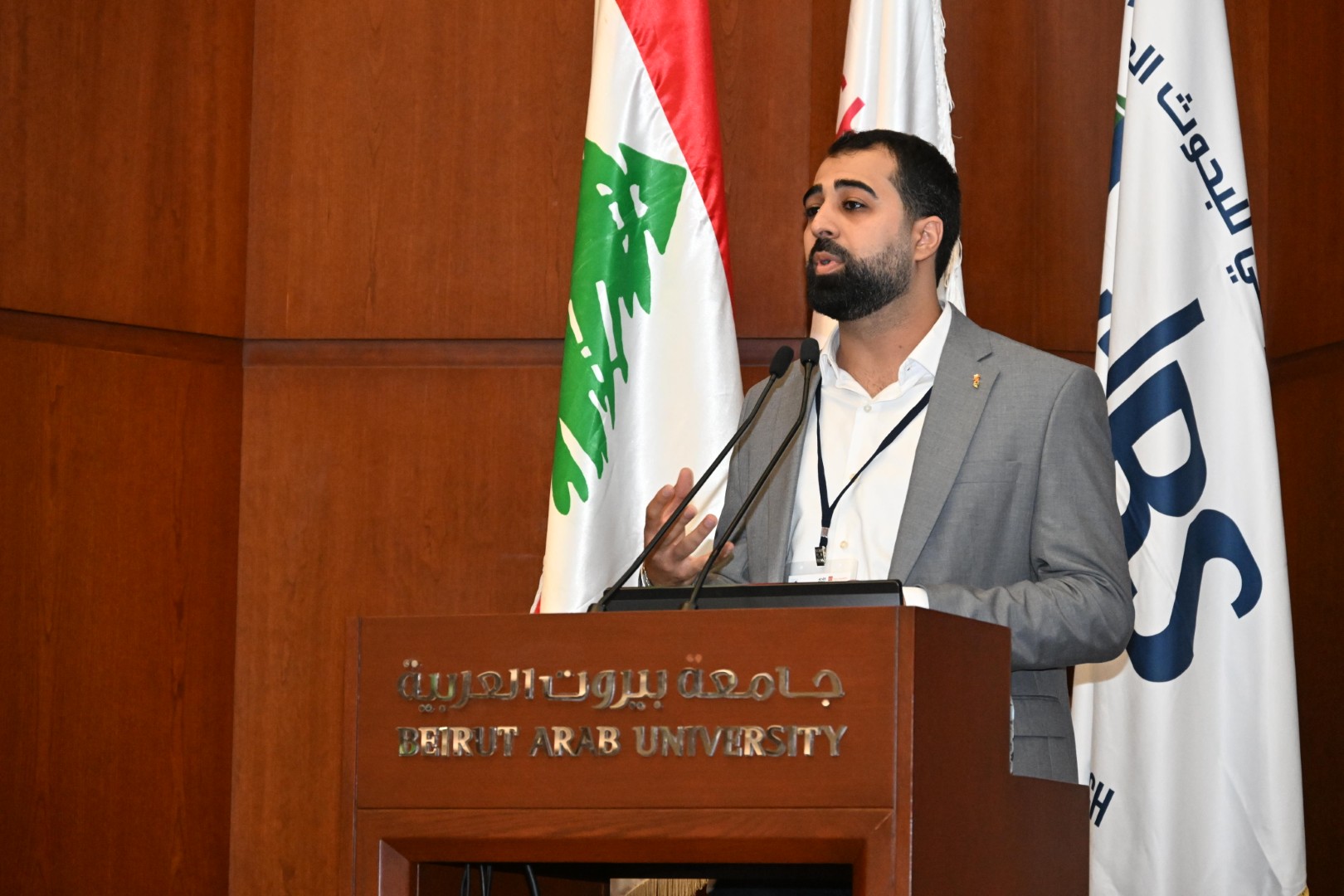
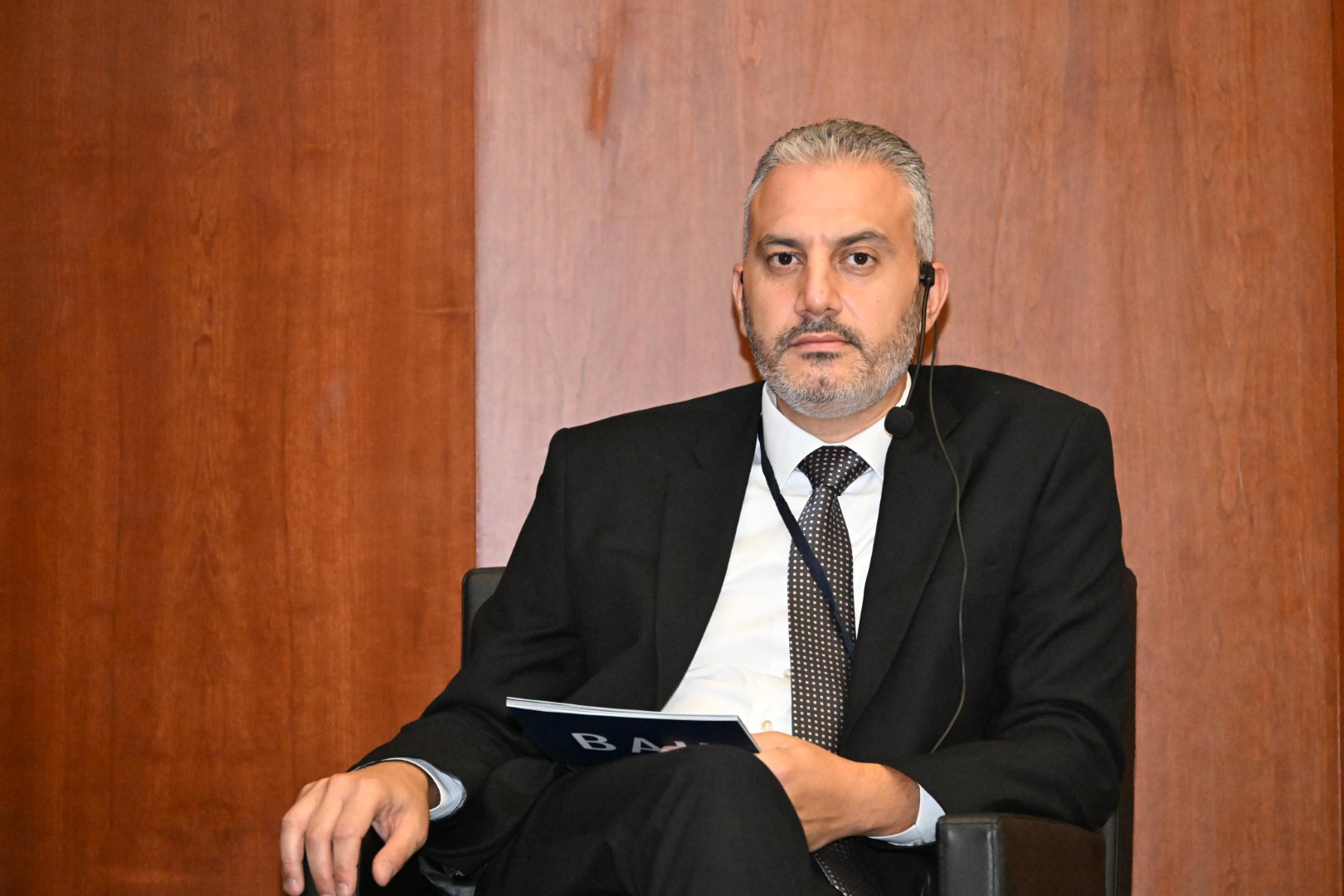
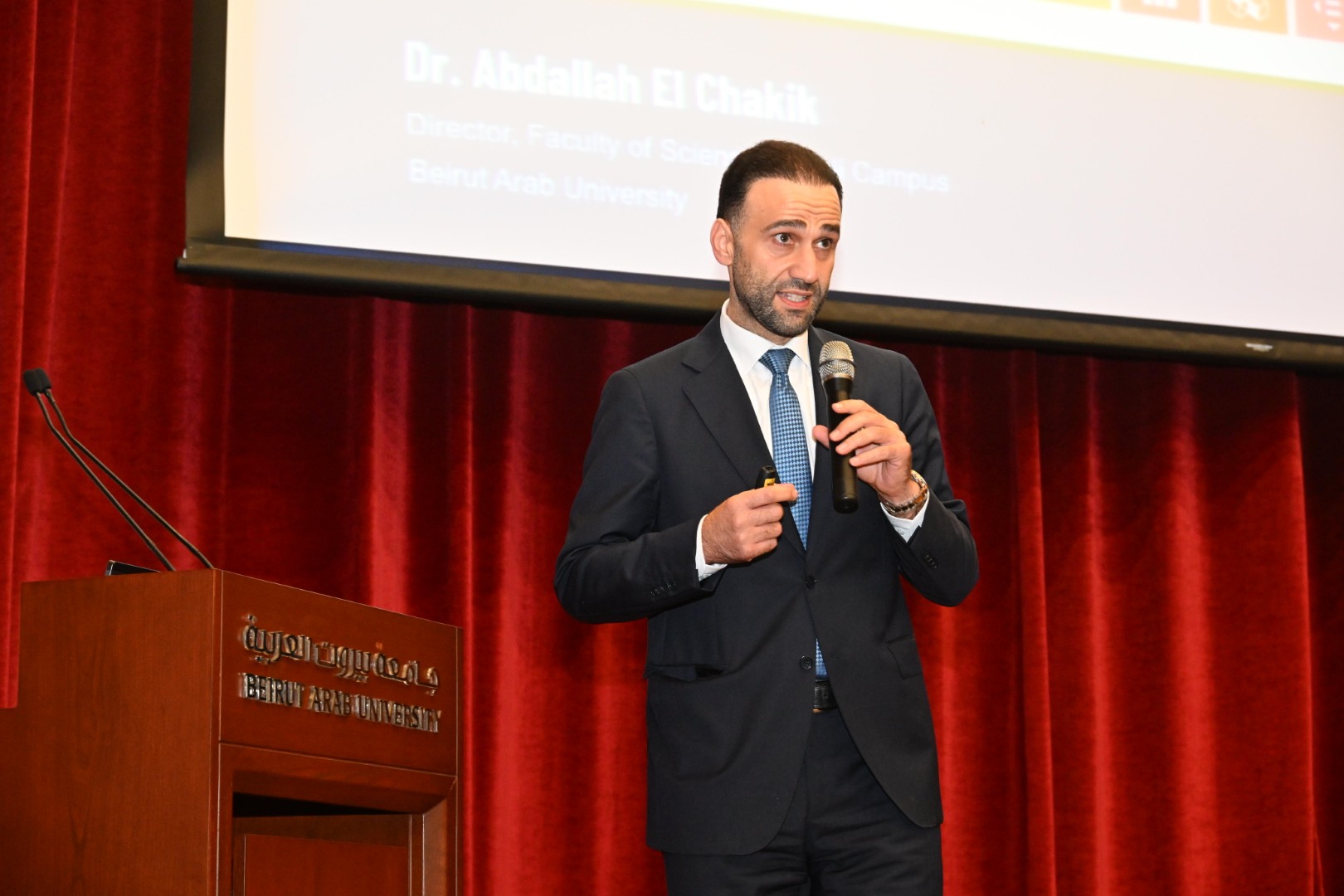
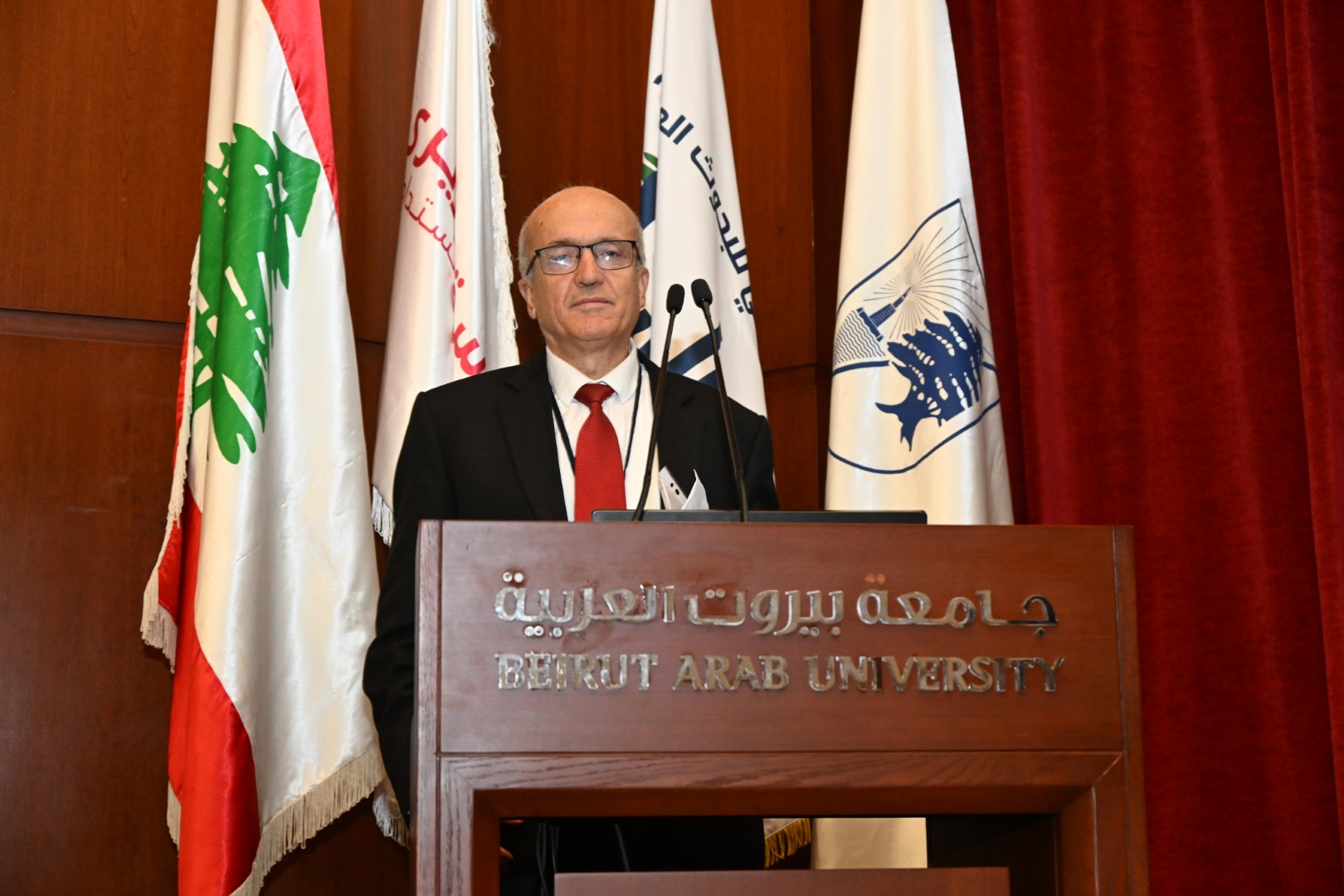
ARSFC 2026 Conference at Beirut Arab University Unites Research, Innovation, and Sustainability
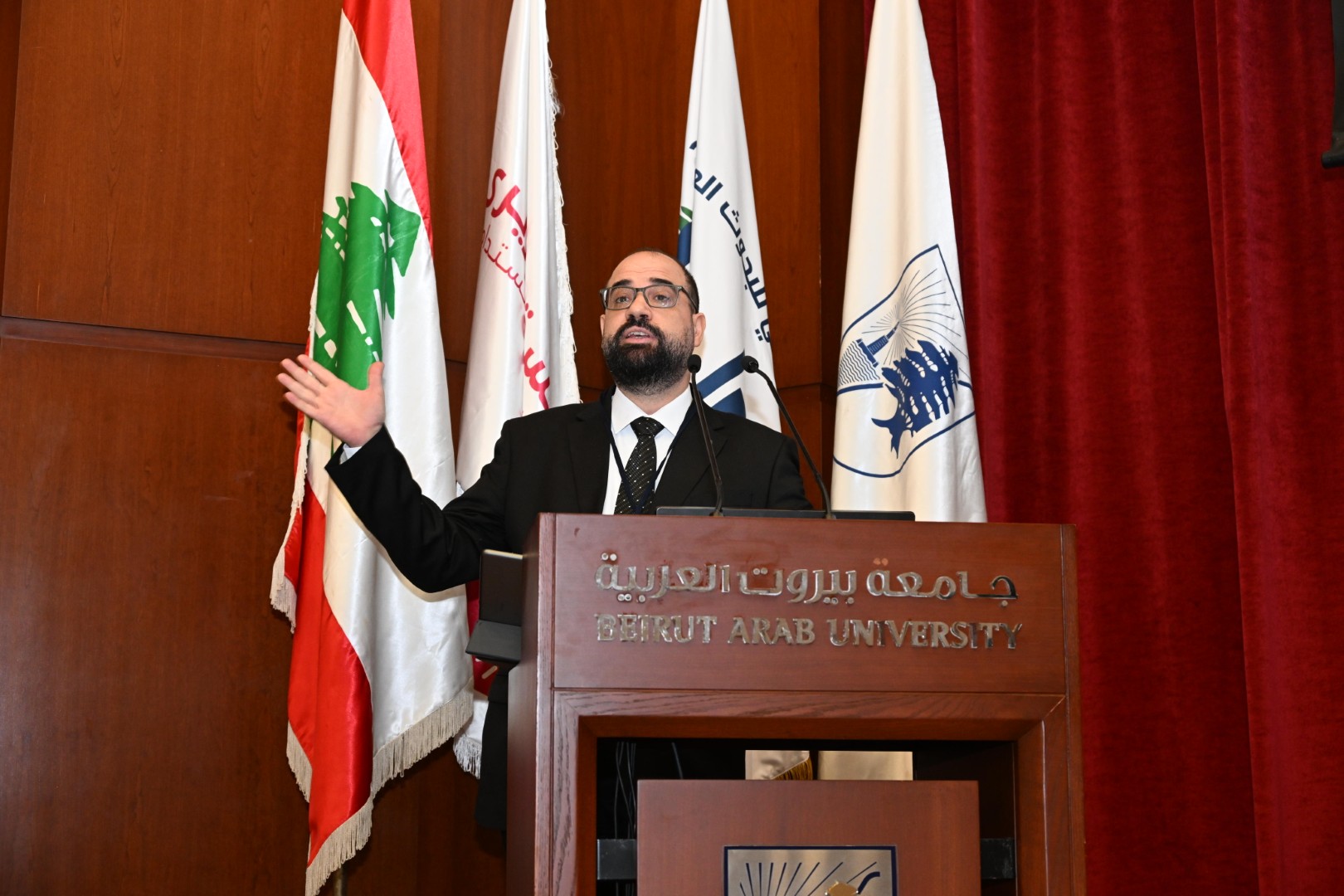
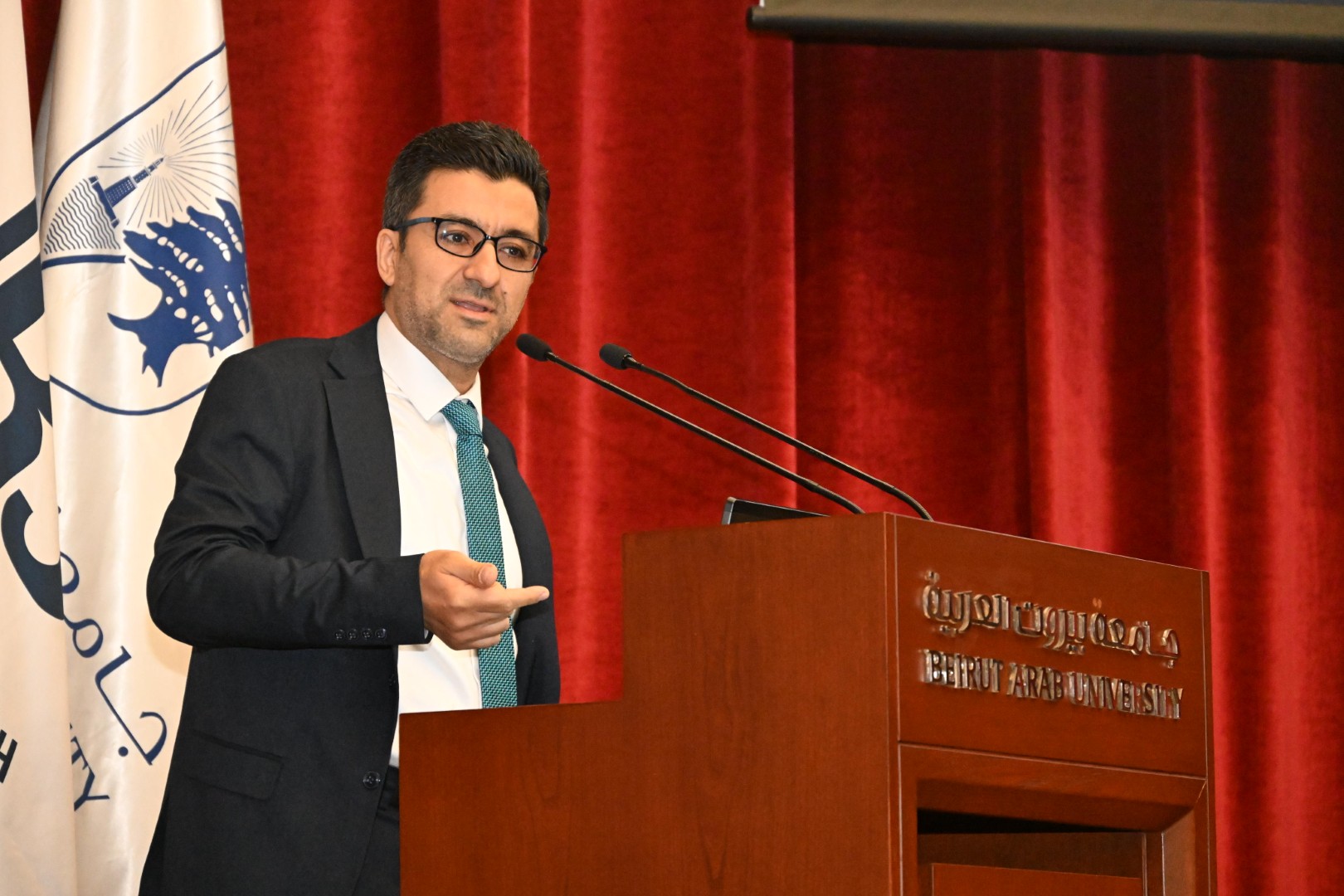
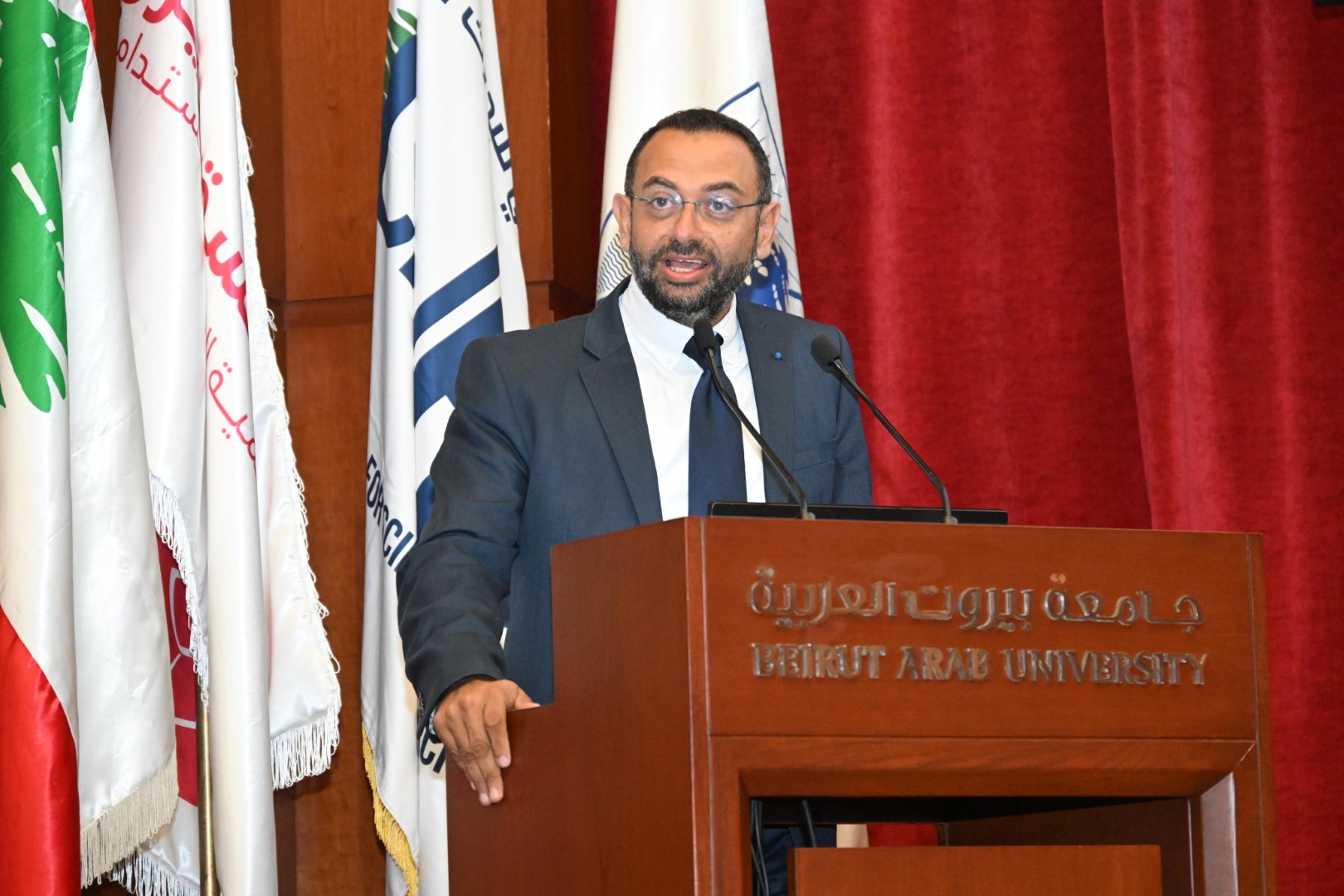
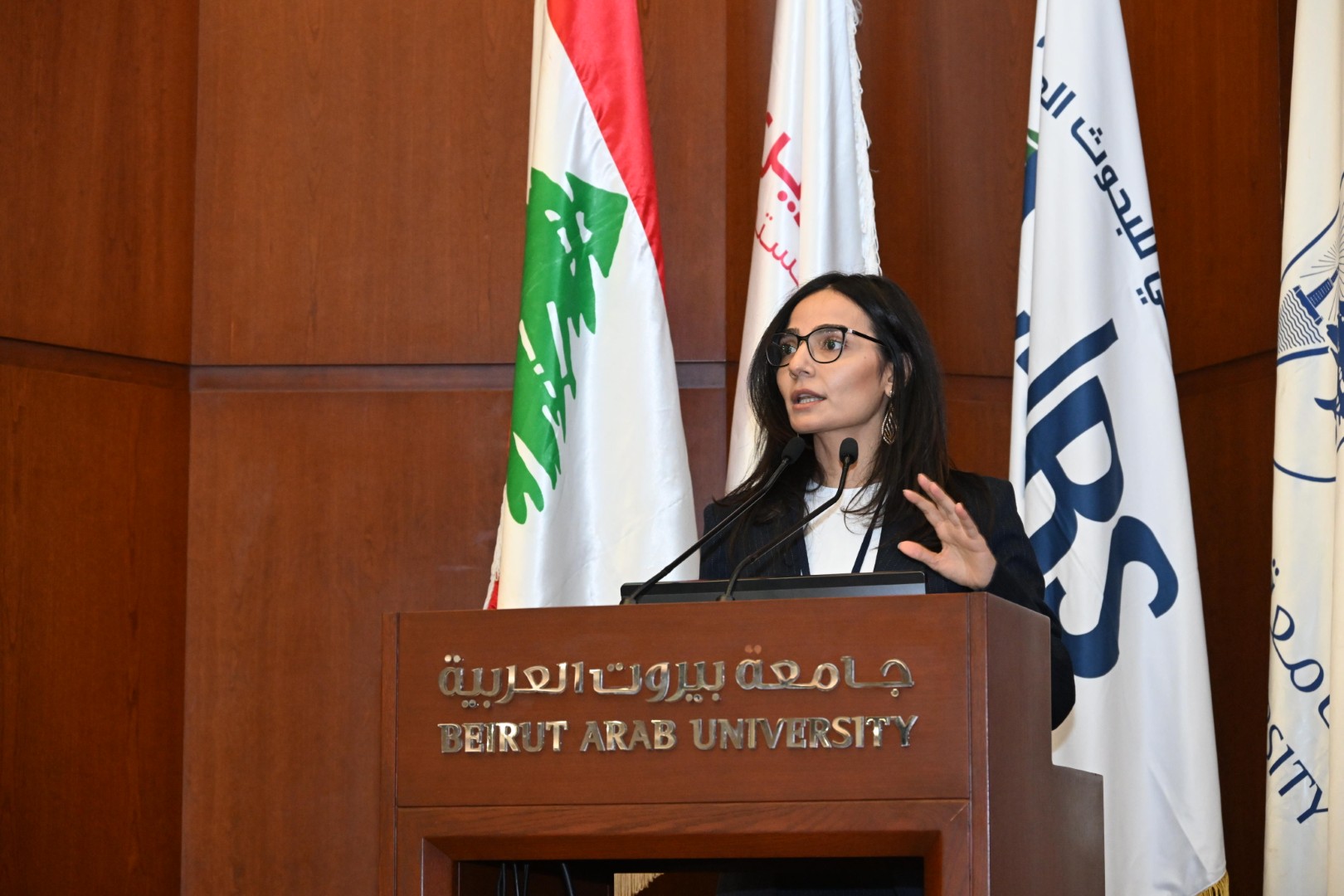
06 October 2026Under the patronage of the Minister of State for Administrative Reform, H.E. Dr. Fadi Makki, the Deanship of Graduate Studies and Research at Beirut Arab University organized a scientific conference titled "Advancing Research for a Sustainable Future" (ARSFC 2026). Held in partnership with the National Council for Scientific Research (CNRS-Lebanon) and the Hariri Foundation for Sustainable Human Development, the event aimed to explore ways to transform research into practical solutions for a more sustainable future.
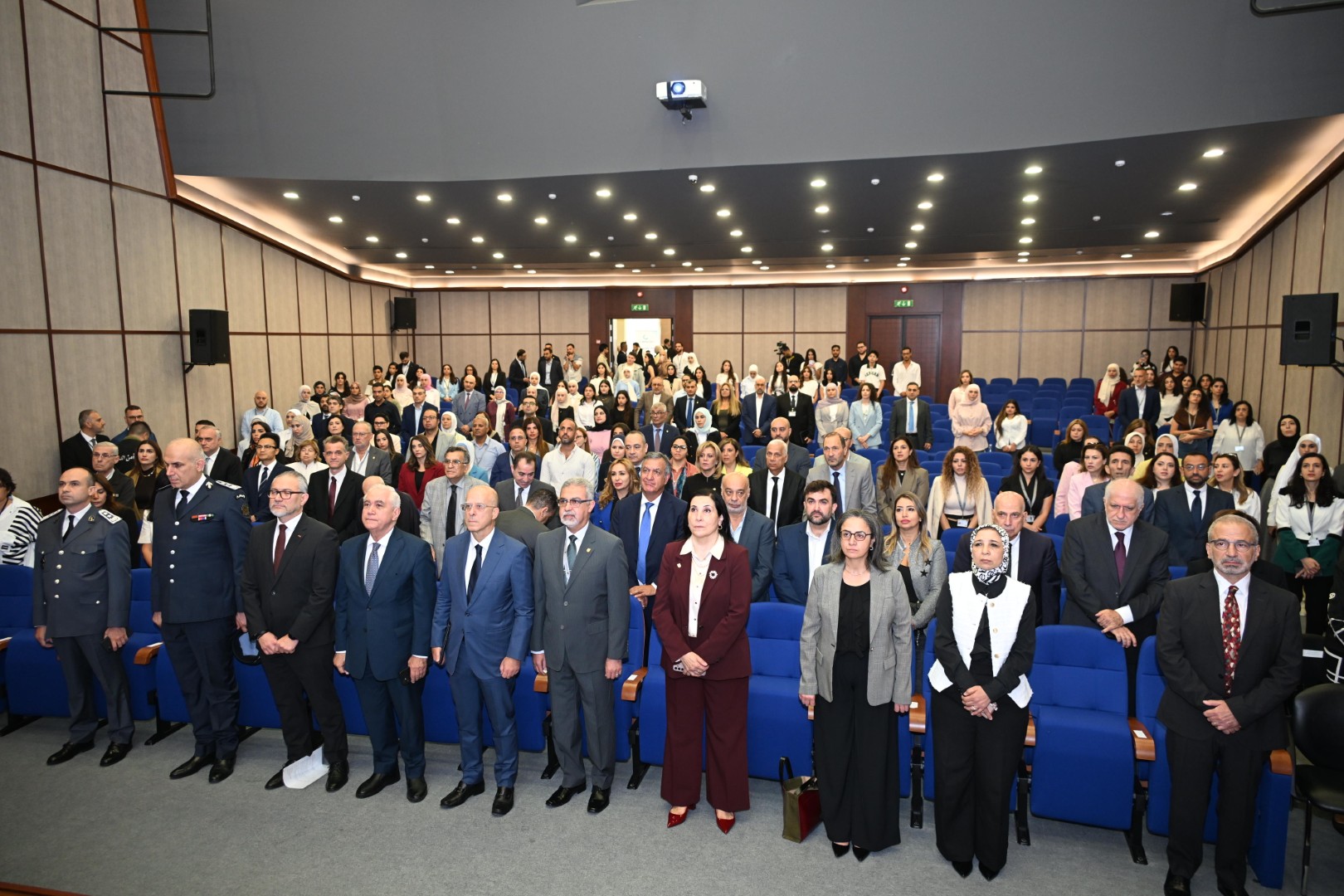
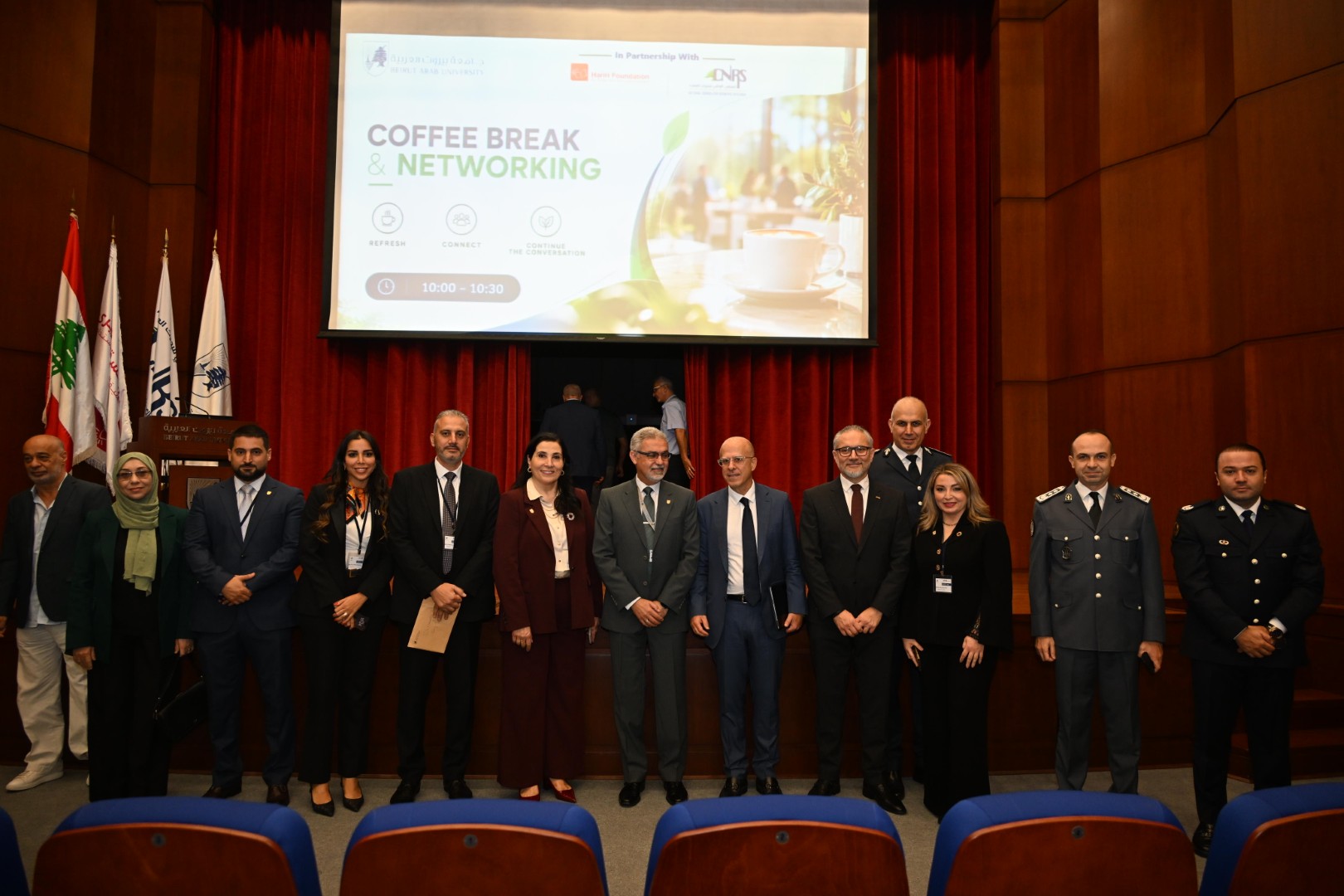
The opening ceremony was attended by MP Waddah Sadek; Secretary-General of CNRS-Lebanon Professor Chadi Abdallah; Chairman of the Board of Trustees of the Waqf Al-Bir wal-Ihsan and Chairman of the Board of Trustees of BAU, Dr. Ammar Houry; President of the University Professor Wael Nabil Abdel Salam; Secretary-General of the University Dr. Omar Houri; military leaders; heads of professional syndicates; university presidents; faculty deans; university directors; as well as a select group of researchers, academics, policymakers, industry leaders, experts, and students.
The conference centered on four main themes:
- Sustainable Health
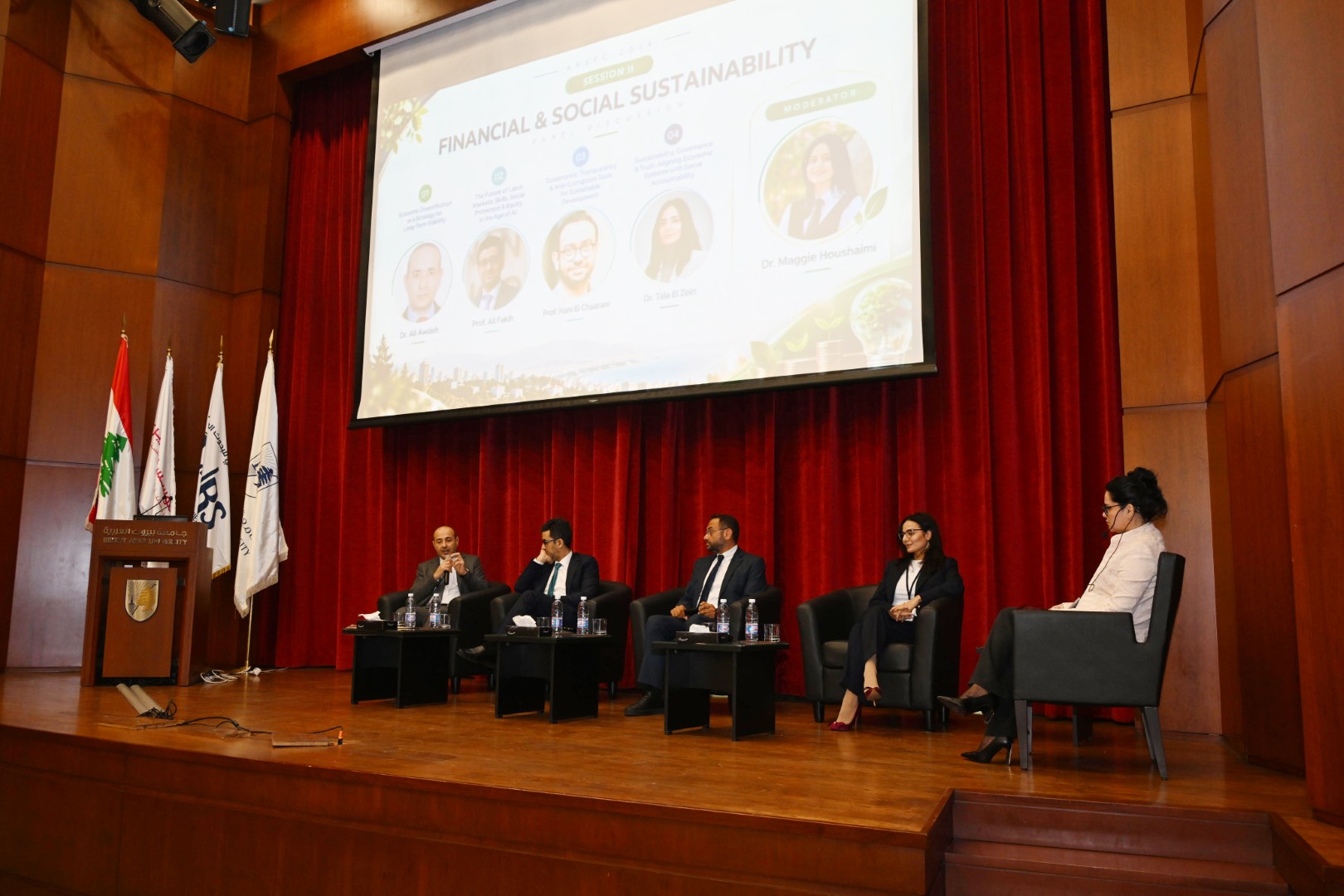
- Financial and Social Sustainability
- Innovation for a Sustainable and Digital Future
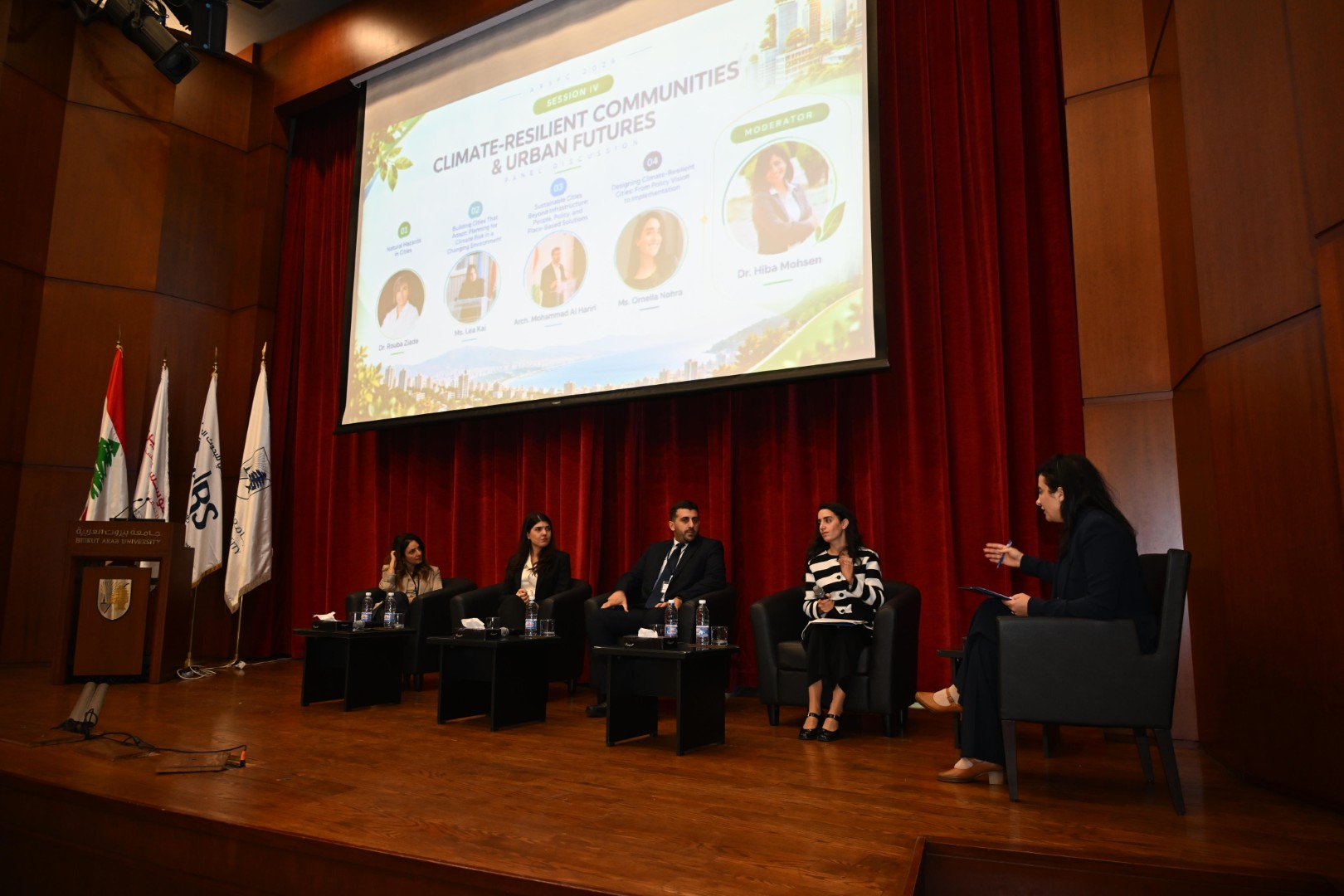
- Climate-Resilient Communities and the Future of Cities
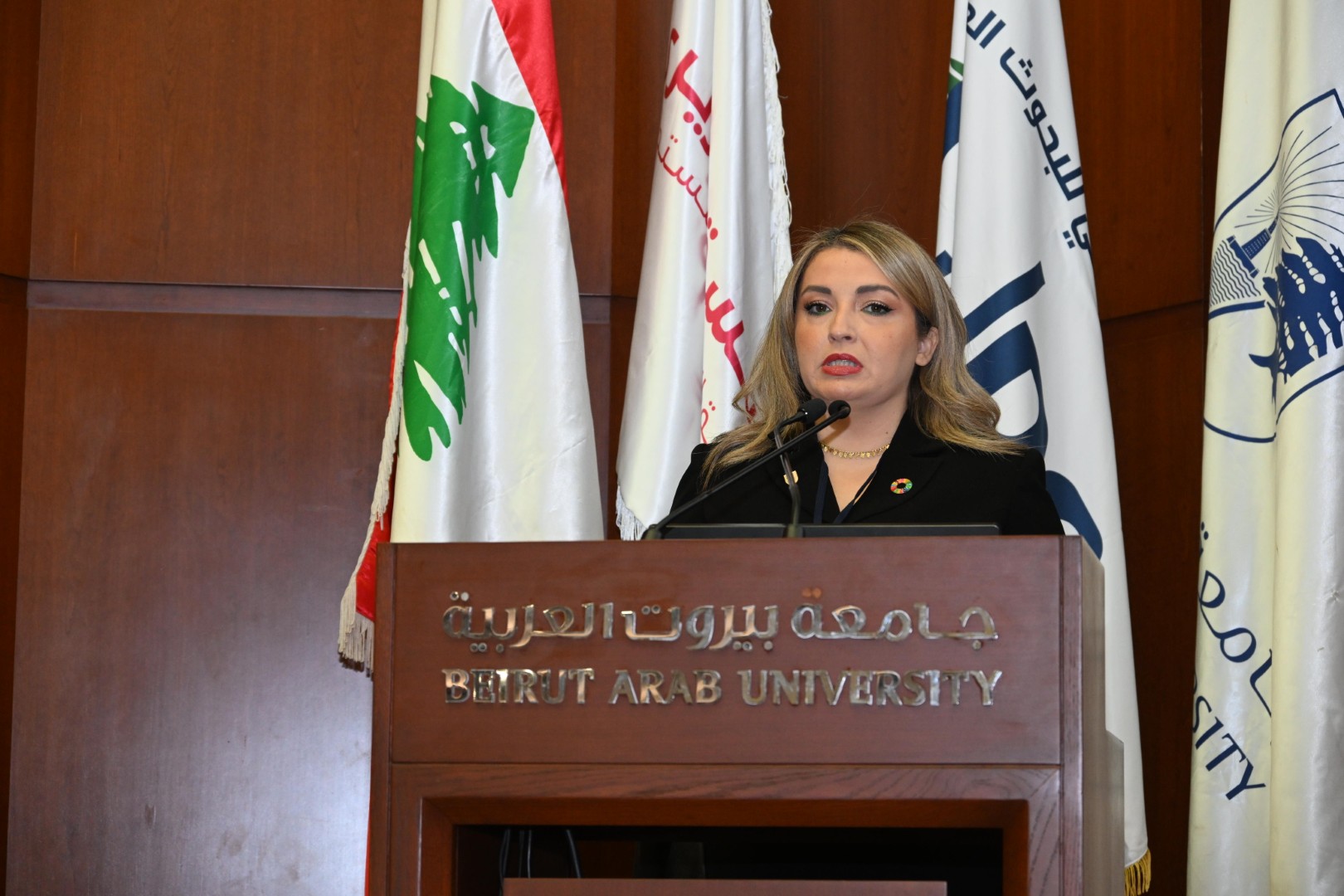
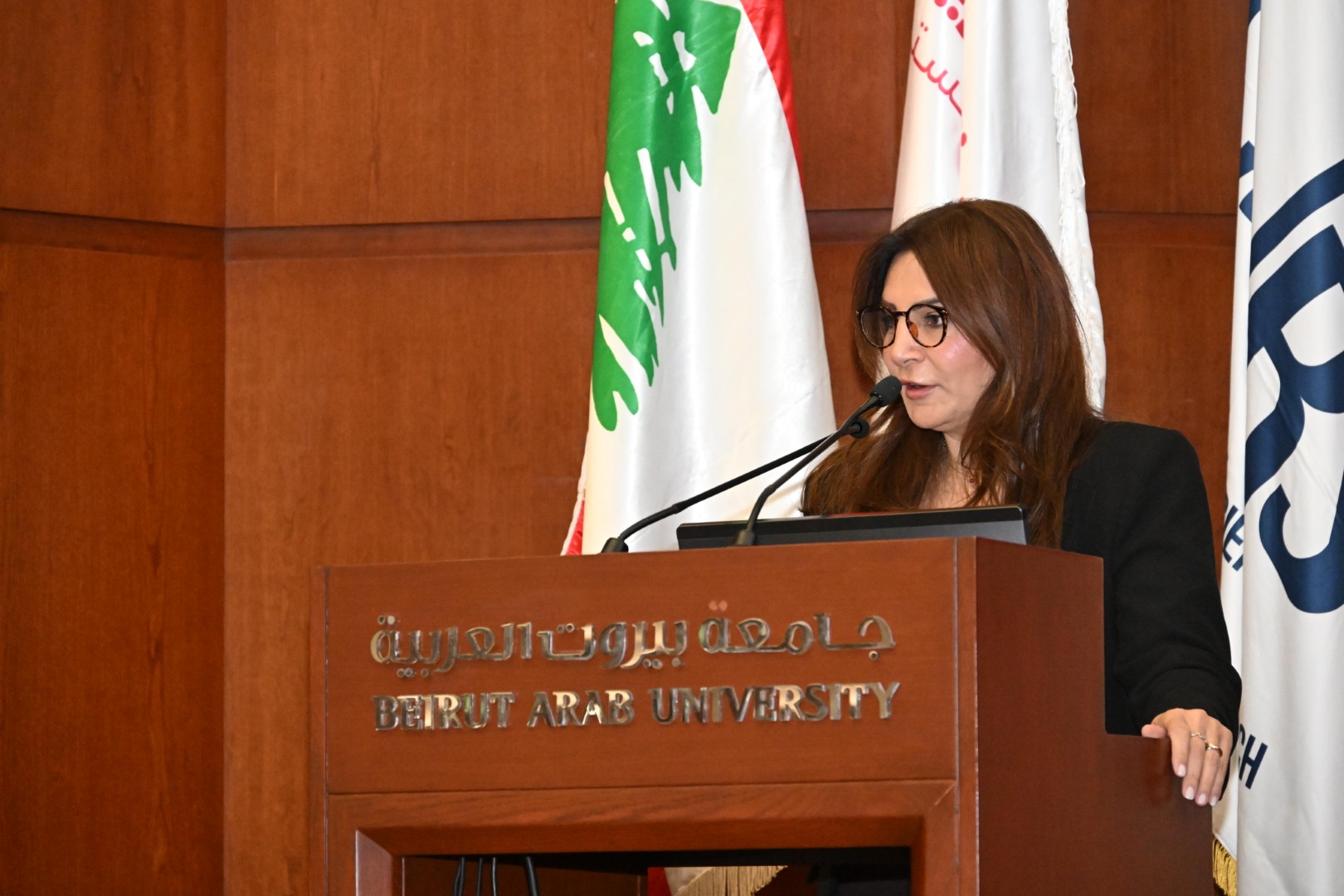
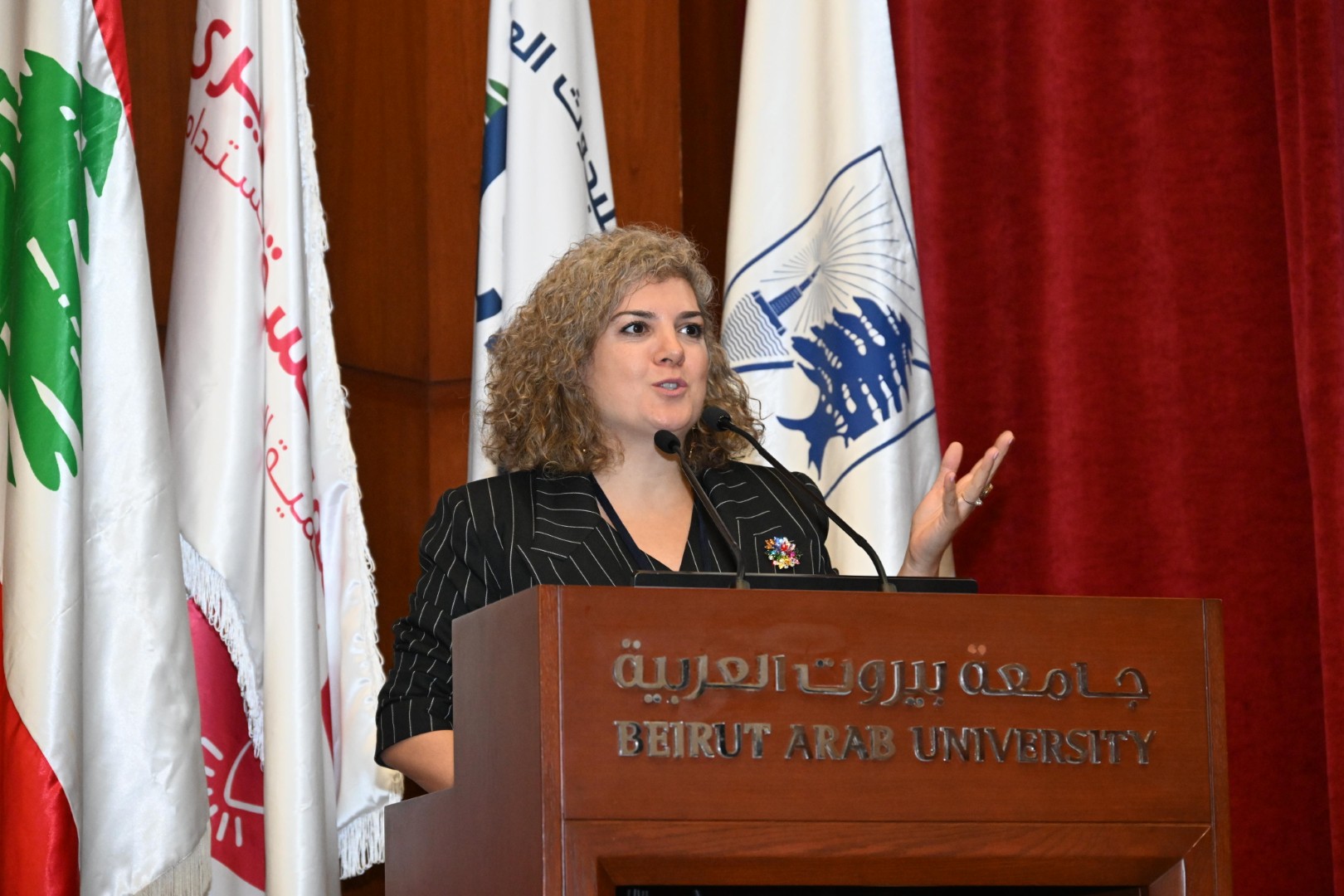
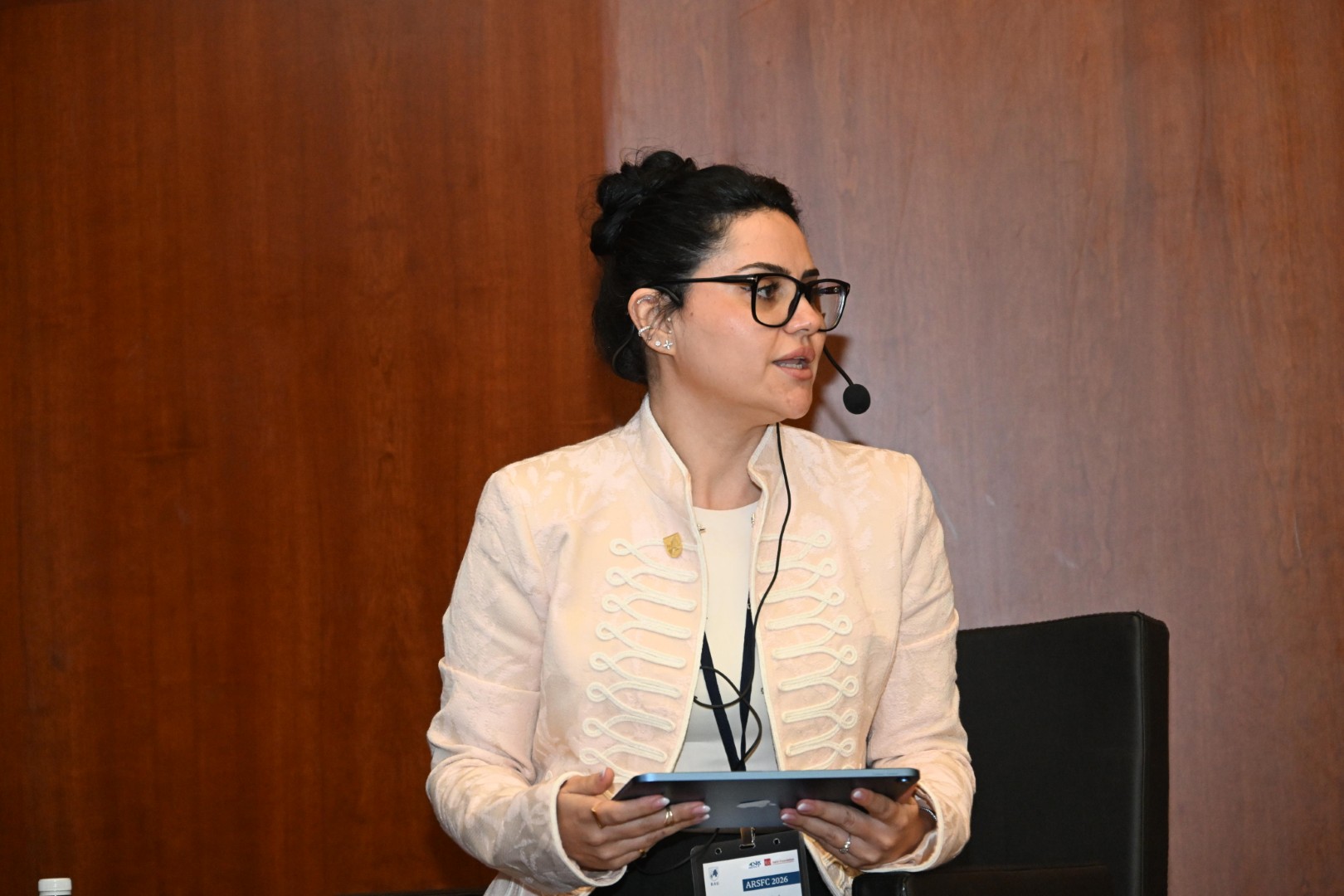
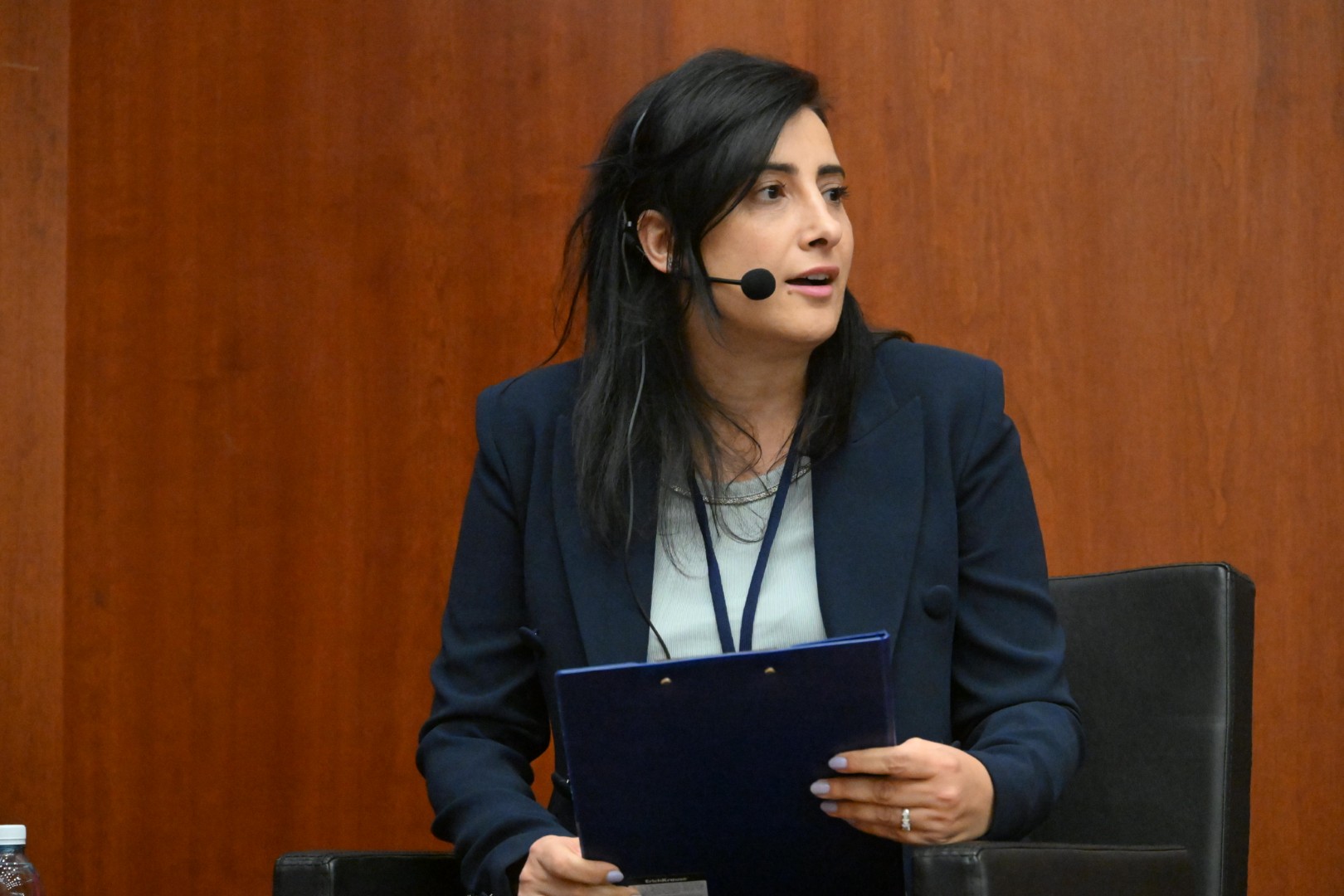
The MC Ms. Dina Abou El-Ezz, opened the proceedings by emphasizing that sustainability is no longer limited to environmental issues; rather, it has evolved into a holistic concept encompassing health, society, the economy, technology, and future generations. She noted that scientific research serves as a fundamental pillar for understanding challenges, identifying root causes, developing evidence-based solutions, and converting knowledge into applications and policies capable of driving tangible impact.
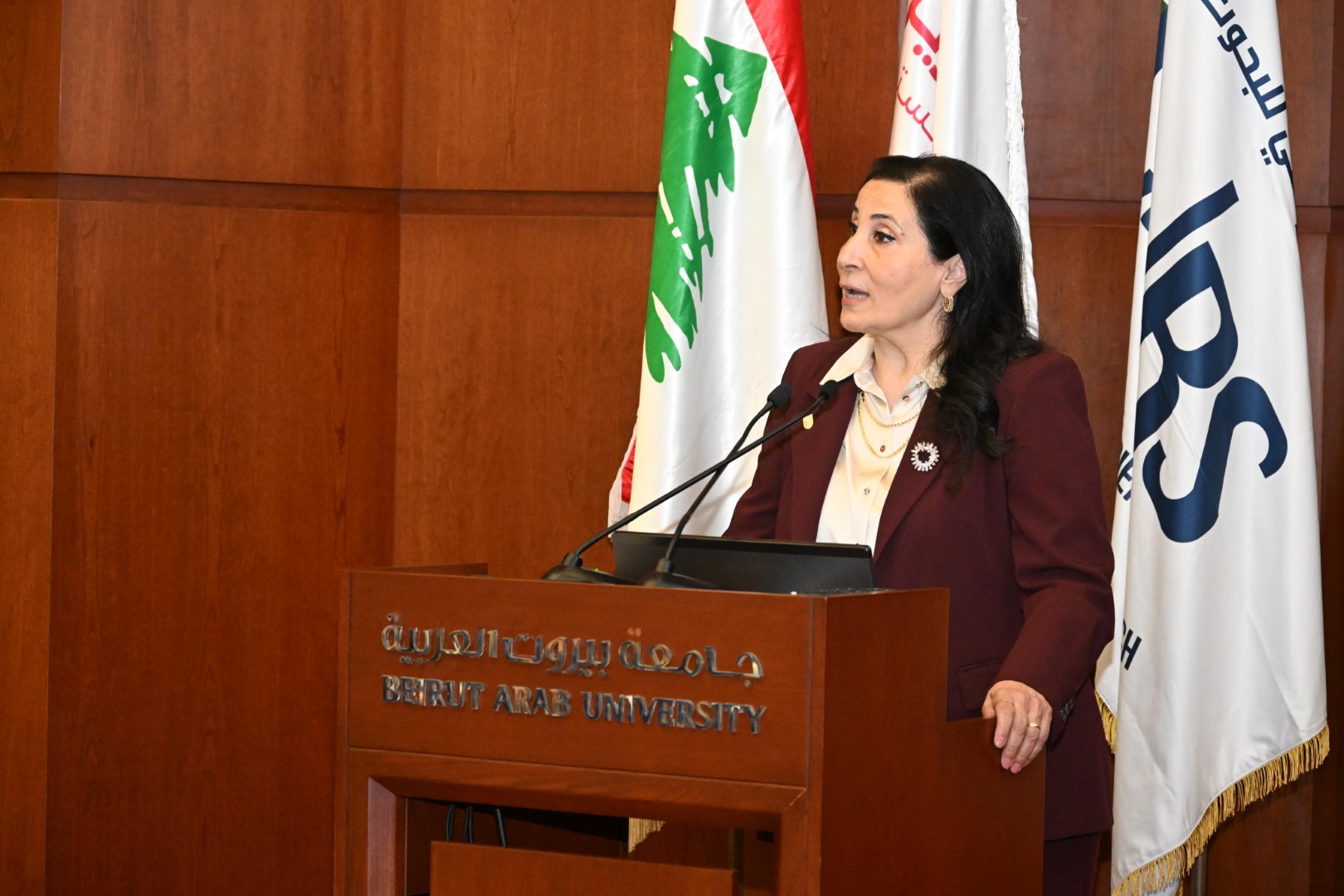
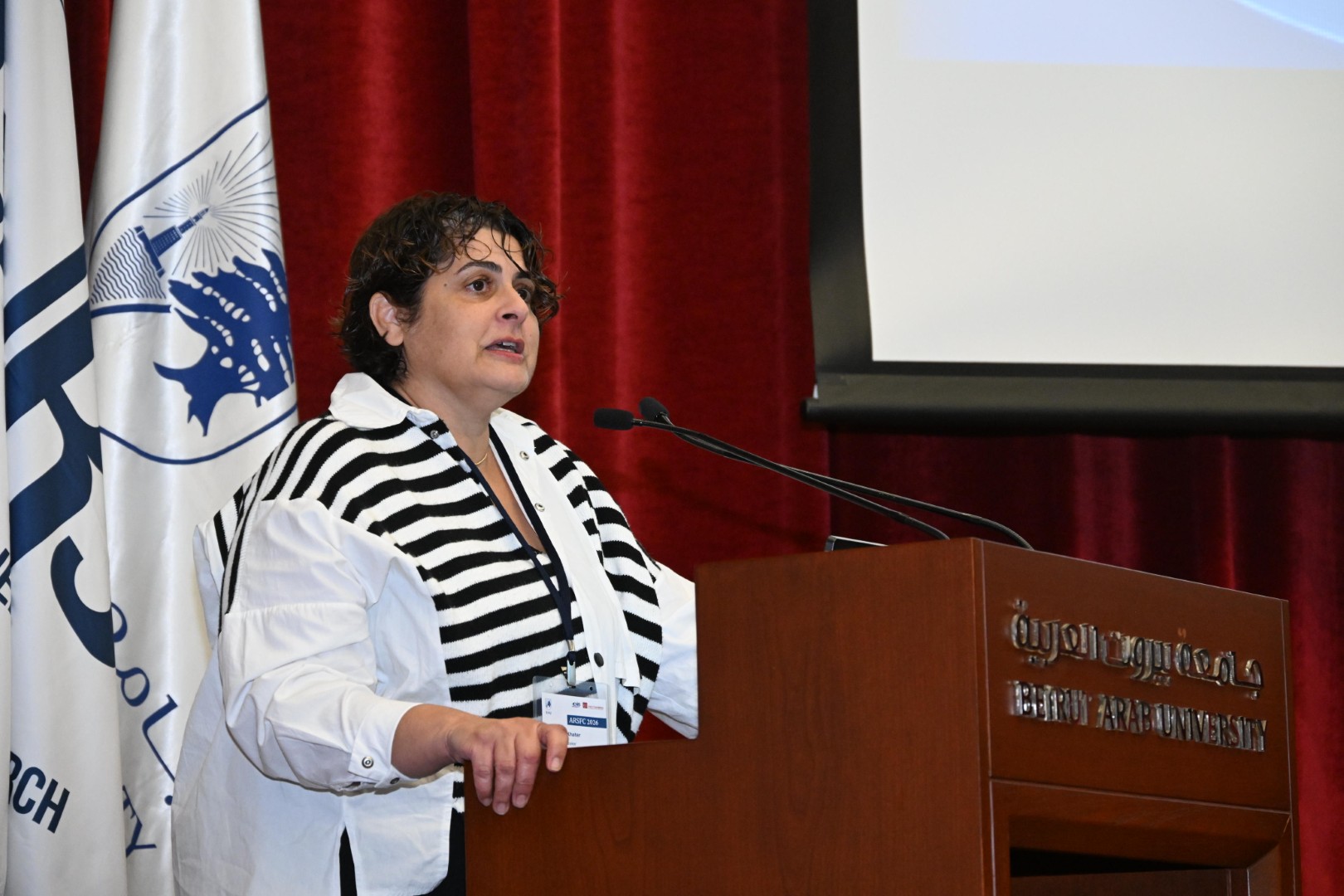
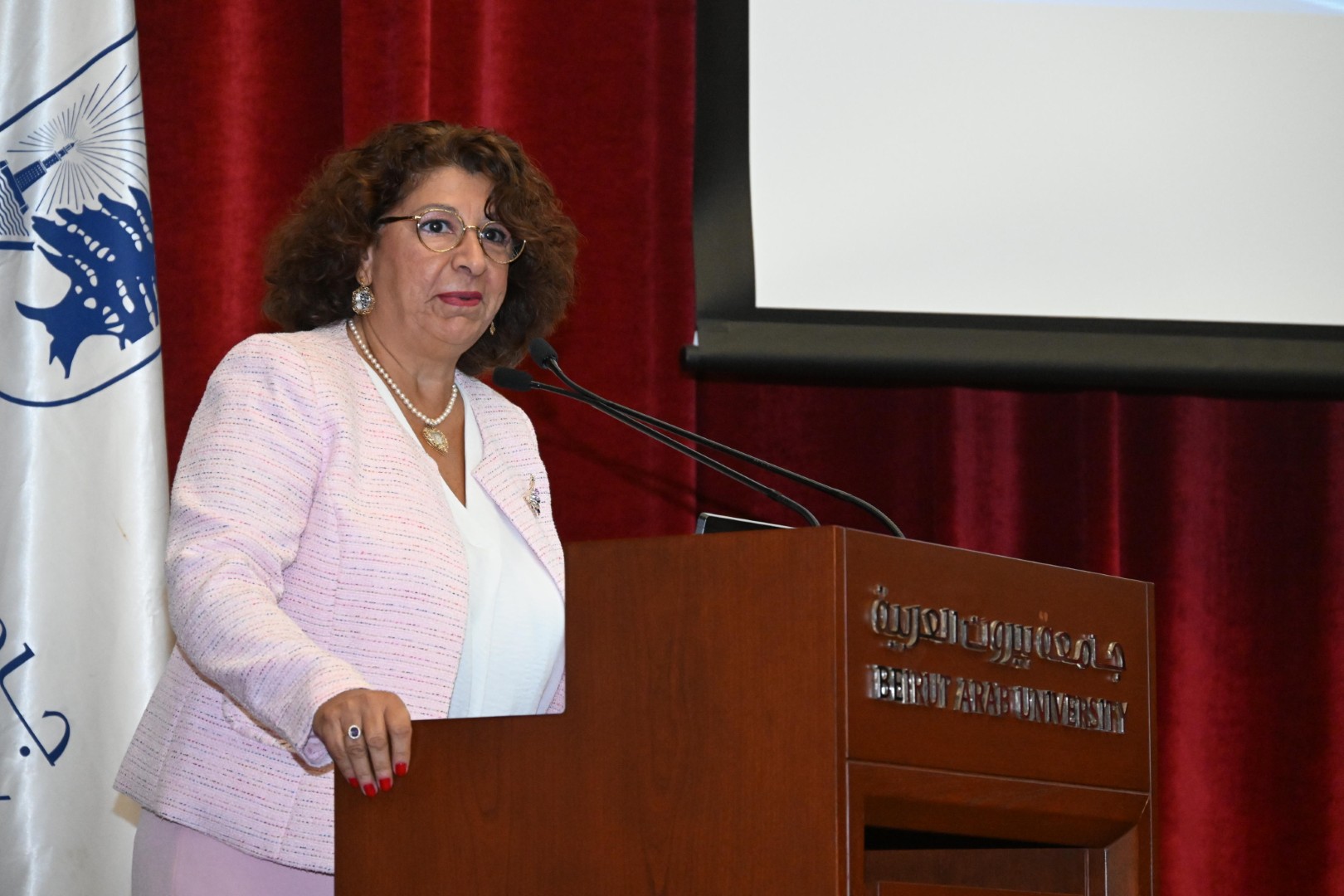
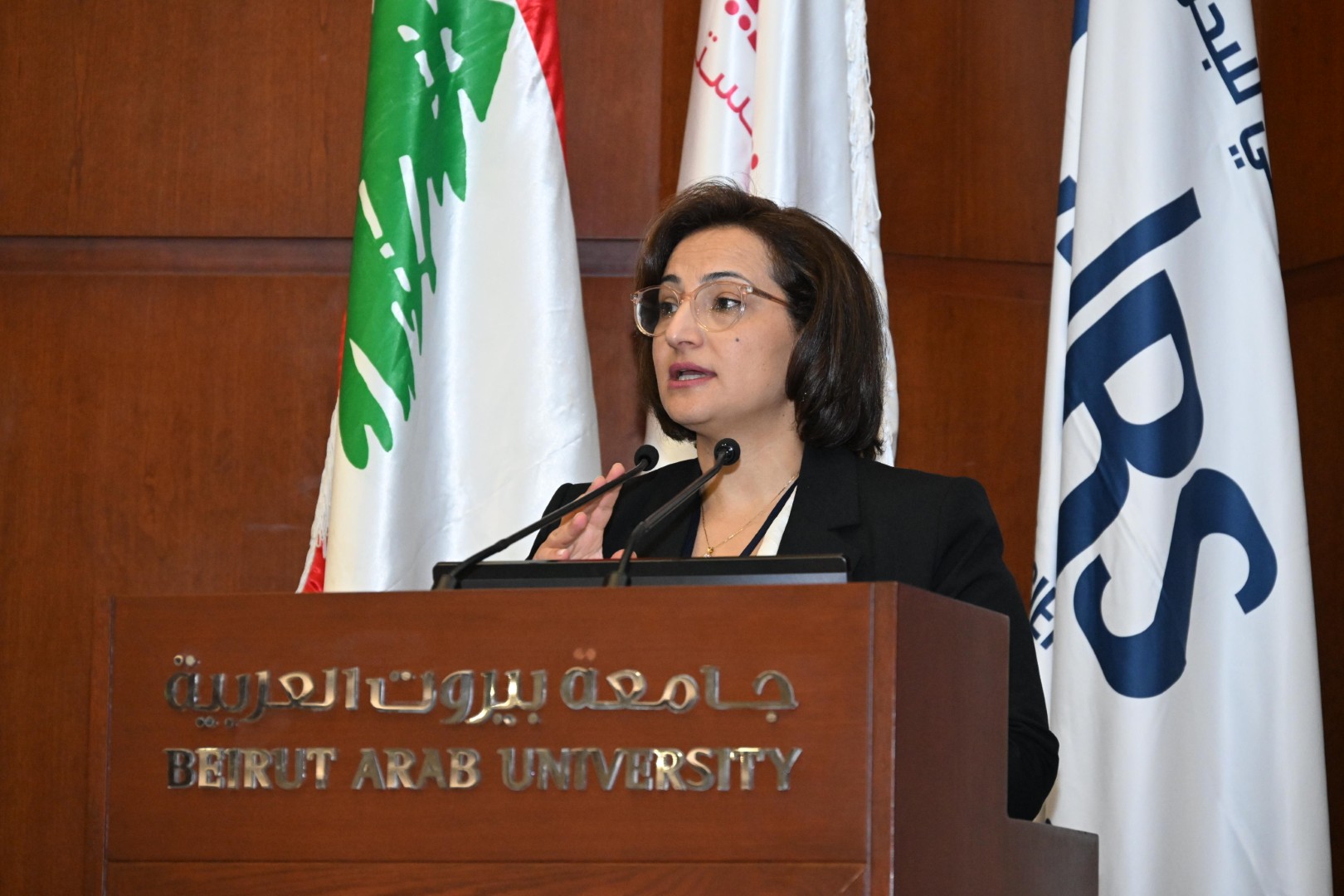
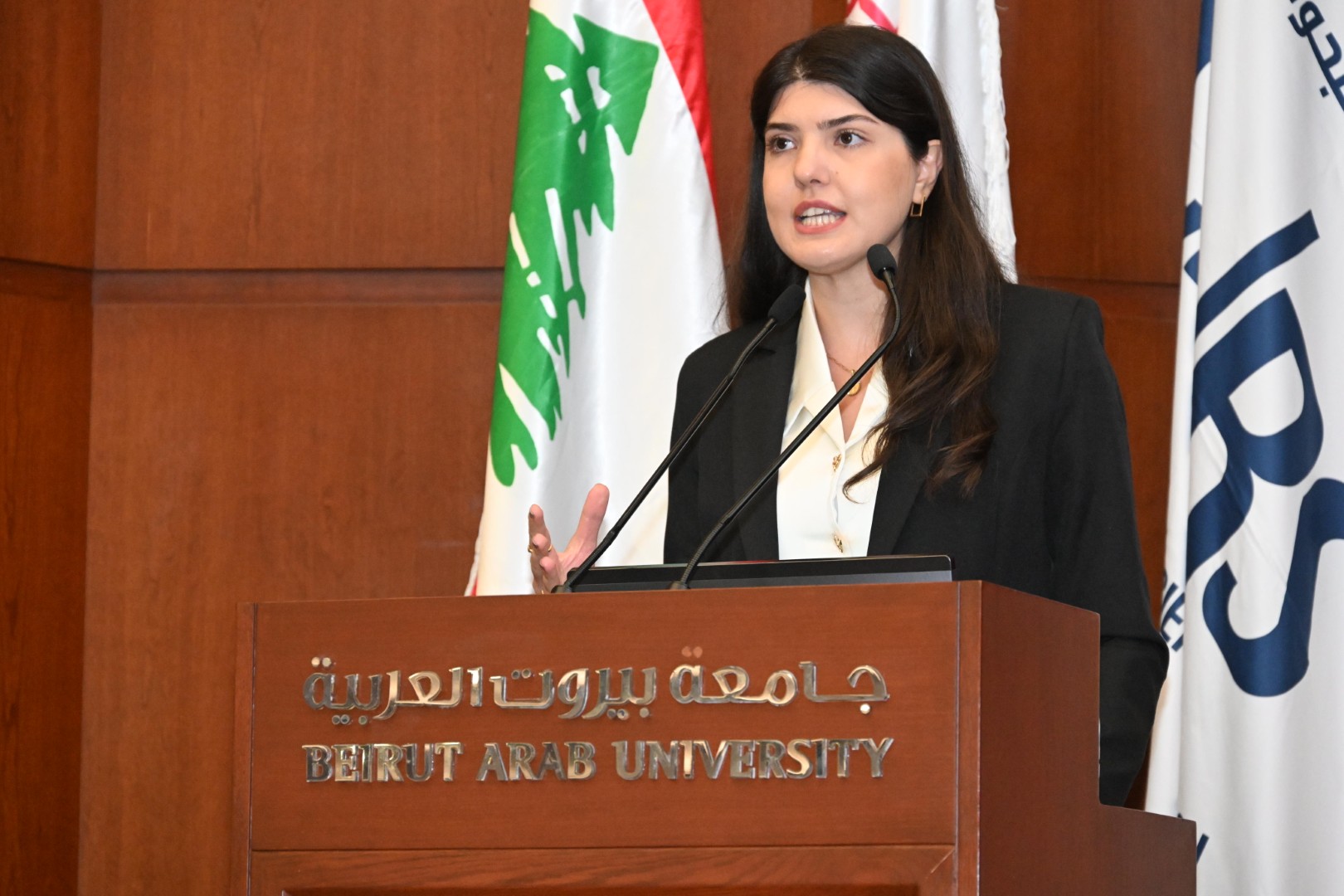
In her address, Dean of Graduate Studies and Research at BAU Professor Hania Nakkash, affirmed that sustainability is an integral part of the university's approach to education, scientific research, innovation, and community service, highlighting that BAU works to align its research projects with the UN Sustainable Development Goals.
Professor Nakkash explained that these goals are interconnected and that achieving them requires a comprehensive approach linking health, education, the environment, technology, and the economy. She highlighted the university’s focus on Goal 9 (Industry, Innovation, and Infrastructure) through infrastructure development, renewable energy, and technology, as well as transforming research outcomes into applications and innovations that serve society.
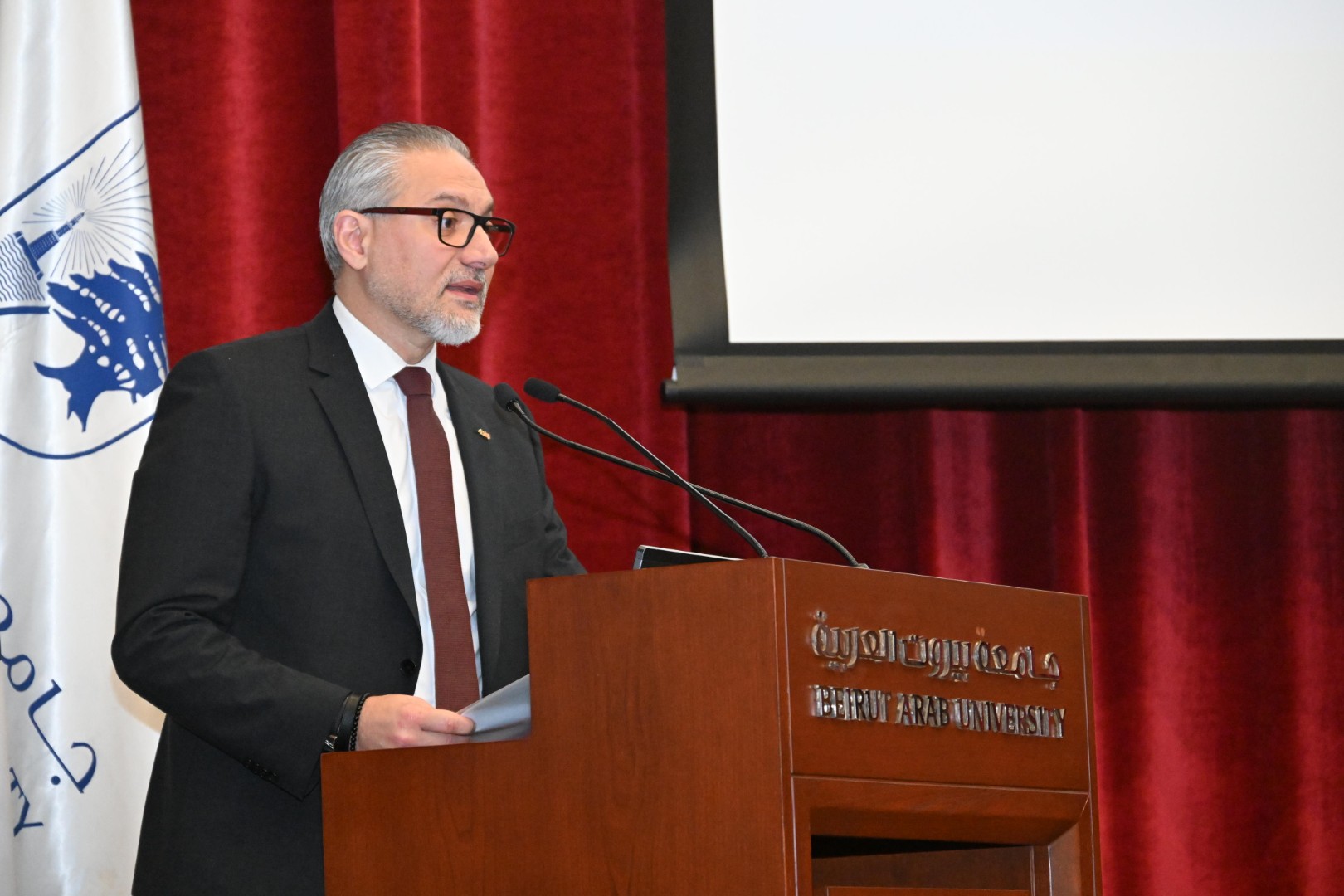
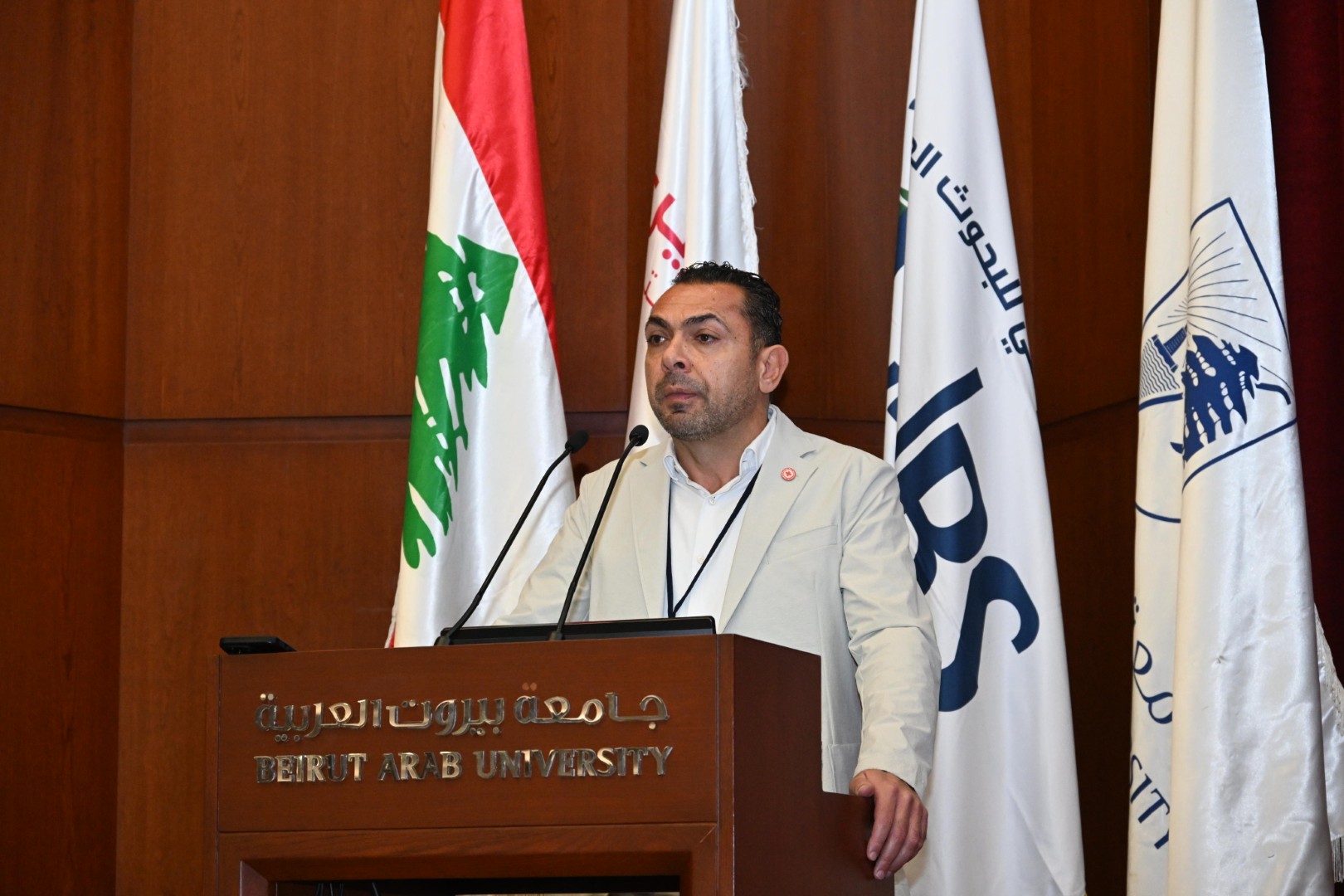
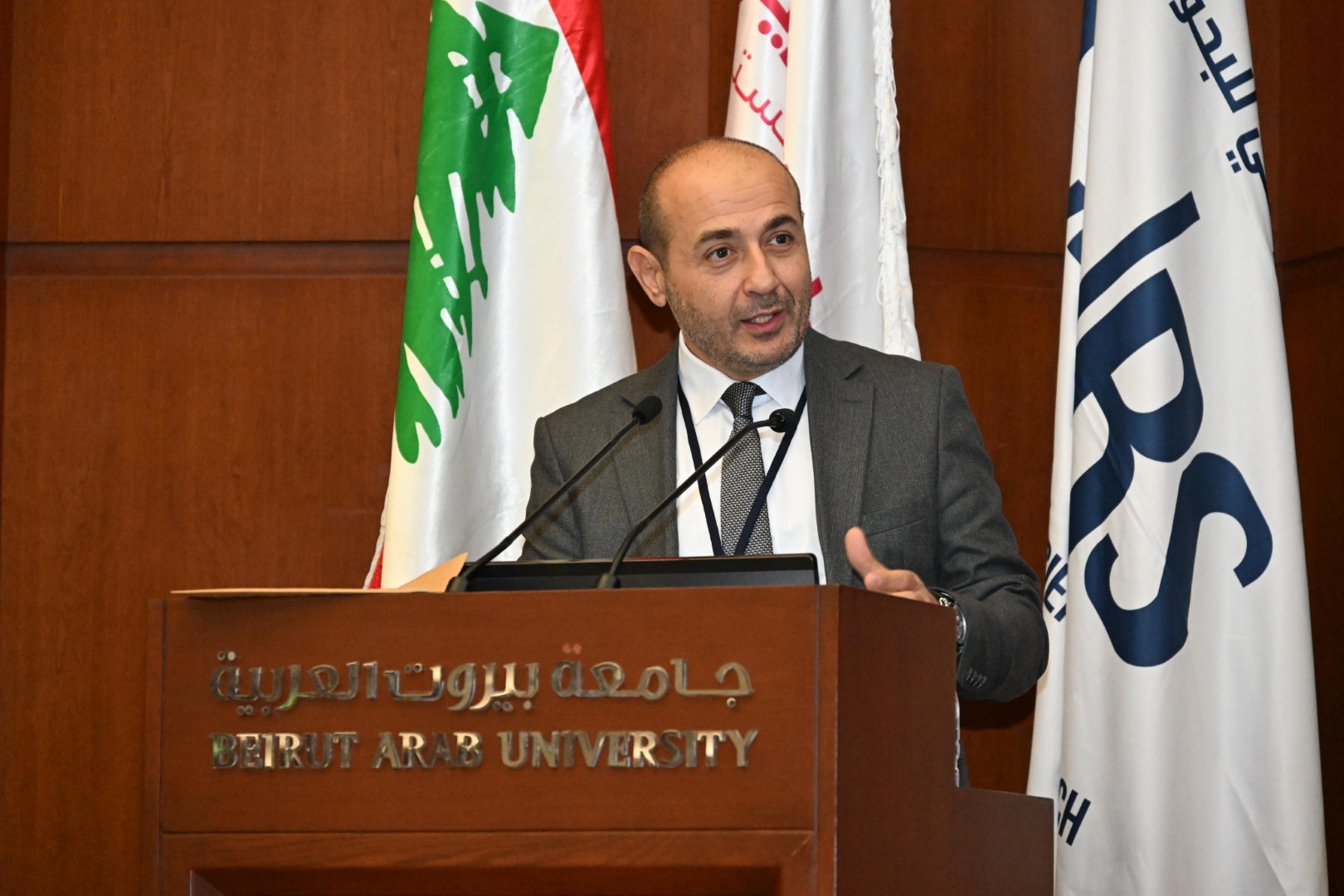
For his part, Secretary-General of CNRS-Lebanon Professor Chadi Abdallah, stressed the importance of deploying scientific research and technology in service of society and the state. He outlined the Council's work in fields such as the environment, natural resources, water, agriculture, energy, natural hazards, and early warning systems, alongside efforts to translate research results into actionable policies and practical solutions.
Professor Abdallah noted that the successive crises in Lebanon particularly war and Israeli aggression have underscored the vital role of science in monitoring and documenting damage using satellite imagery, Geographic Information Systems, artificial intelligence, and field data.
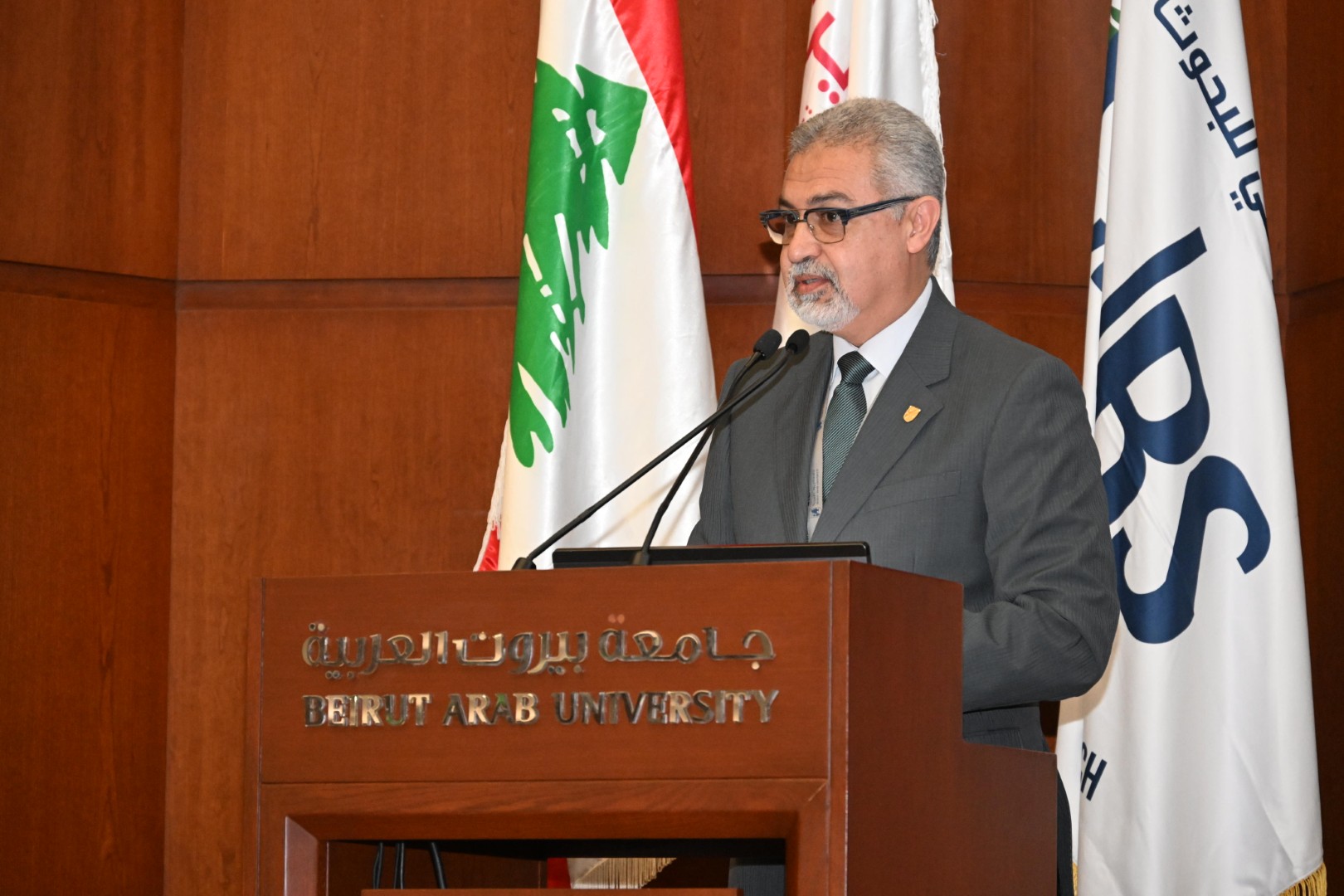
President of BAU Professor Wael Nabil Abdel Salam, stated that sustainability is no longer just a slogan, but a responsibility and an imperative imposed by growing climate and economic challenges. He highlighted the pivotal role of universities in generating knowledge and developing scientific and applied solutions that serve society and build a sustainable future.
Professor Abdel Salam added that BAU has adopted the UN SDGs within its strategic vision, integrating them into scientific research, curricula, and campus practices. He also noted the implementation of a transition plan toward clean solar energy across university campuses as part of its drive toward a more sustainable university environment and promoting clean technology.
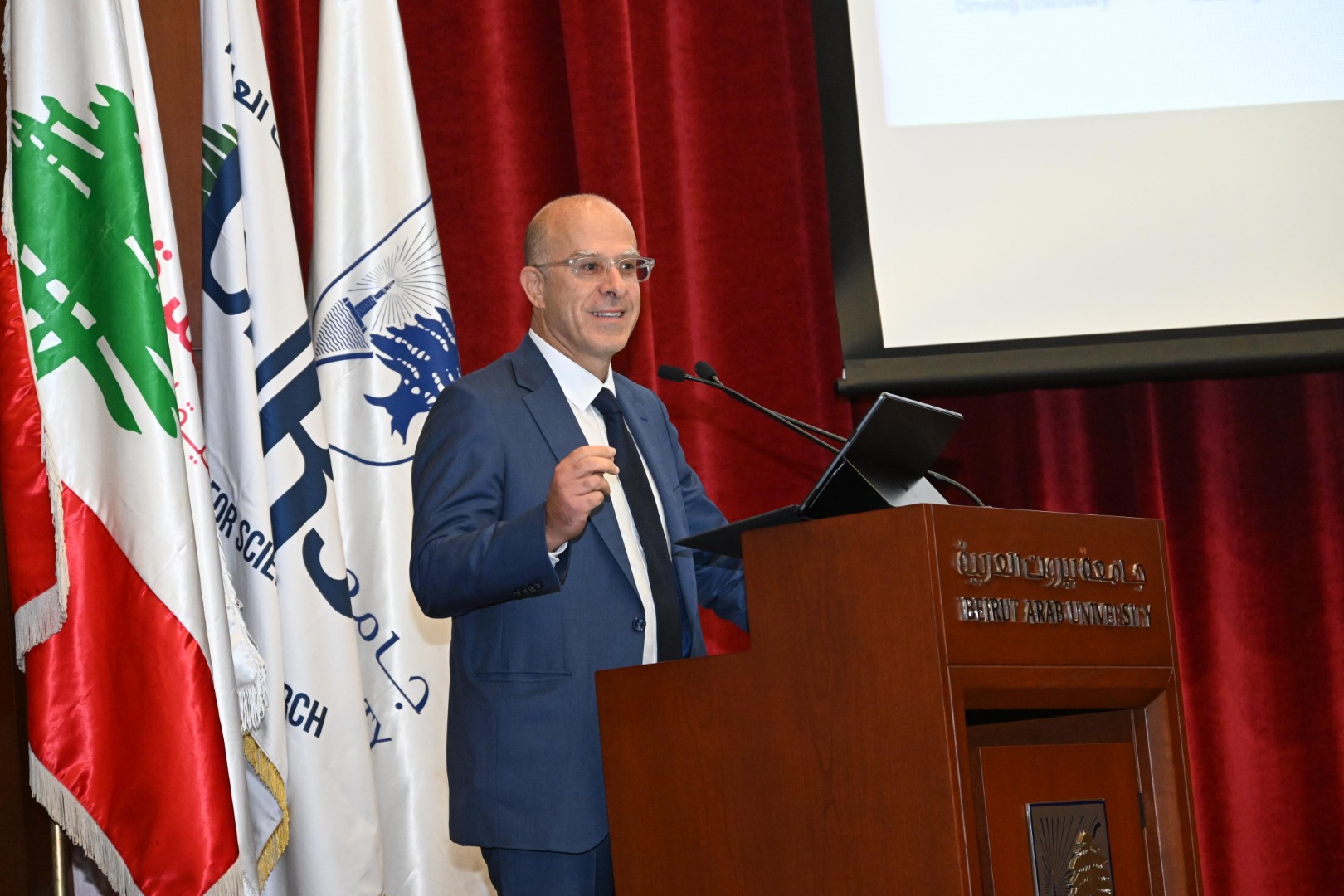
In turn, Minister of State for Administrative Reform Dr. Fadi Makki, emphasized that sustainable reform should not be tied to an individual, government, or minister, but must become a consistent approach to state governance grounded in effective institutions, clear systems, skilled human resources, data, and institutional memory capable of continuity and growth.
Dr. Makki explained that public sector development relies on three main pillars: enhancing governance and state structure, investing in human capital and expertise, and redesigning public services through digital transformation to respond to citizen needs.
He further stressed the importance of scientific research in supporting reform and public policymaking by transitioning from opinions and impressions to measurable evidence and results, affirming that universities should serve as key partners to the state in analyzing challenges, testing solutions, and formulating knowledge-based policies.
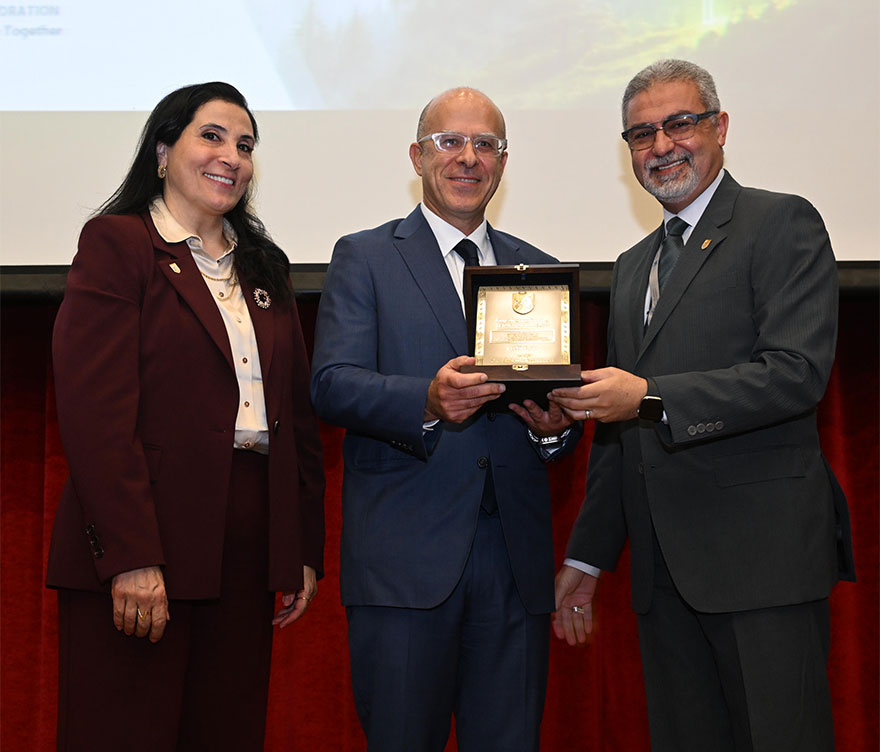
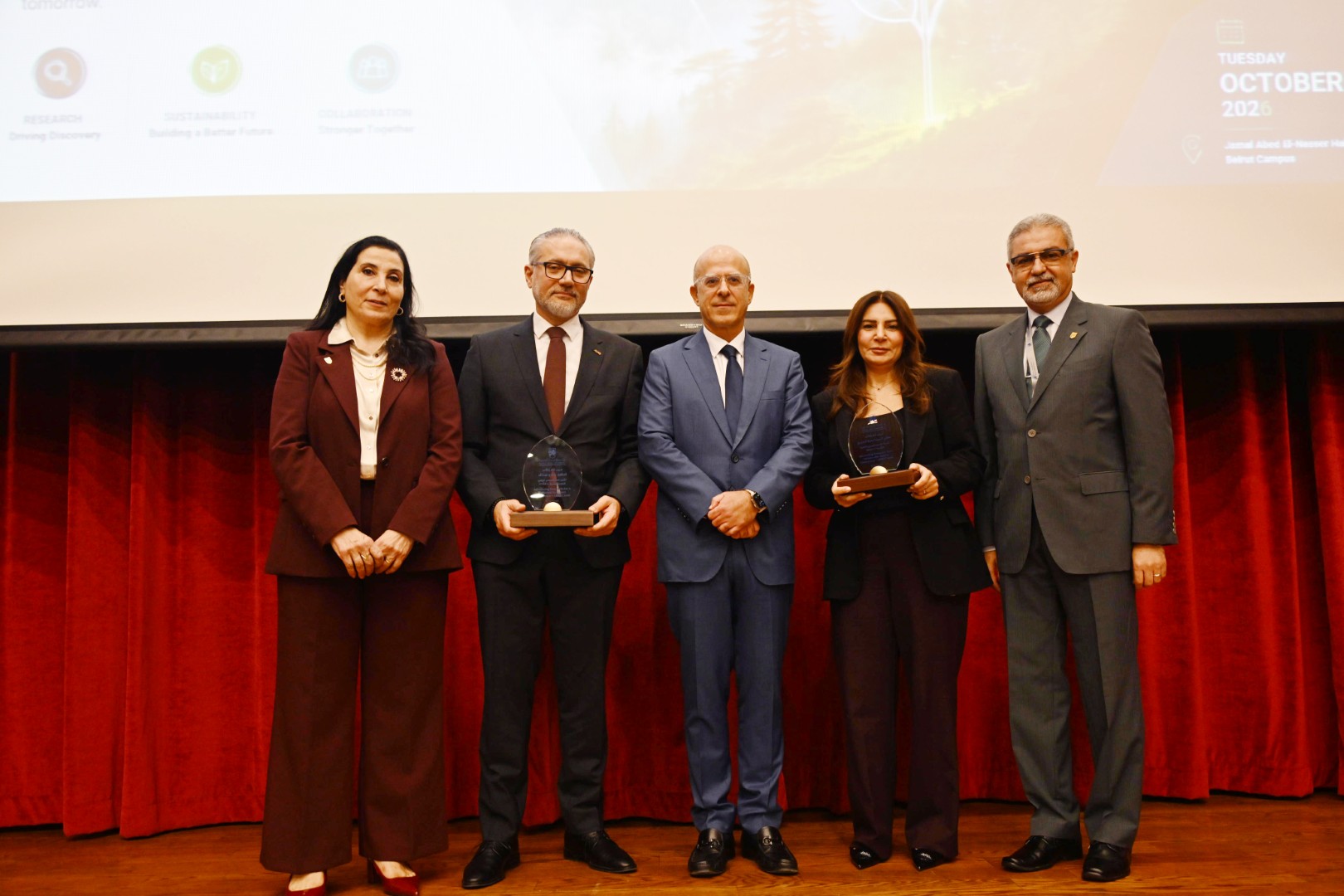
At the conclusion of the opening session, Professor Wael Nabil Abdel Salam presented BAU commemorative shields to Minister Dr. Fadi Makki, CNRS-Lebanon Secretary-General Professor Chadi Abdallah, and the Hariri Foundation for Sustainable Human Development, in appreciation of their participation, support, and efforts to advance scientific research and sustainable development.
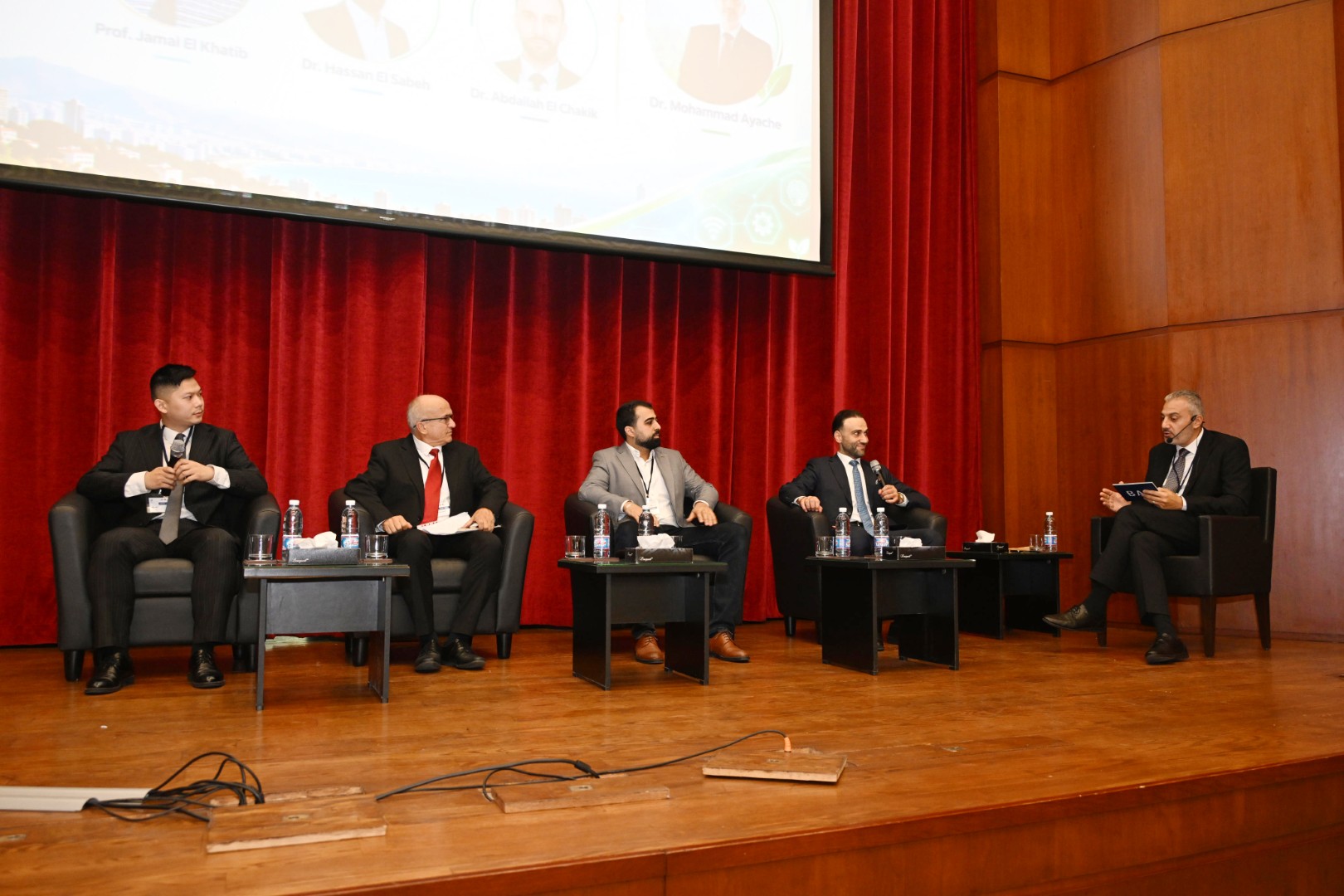
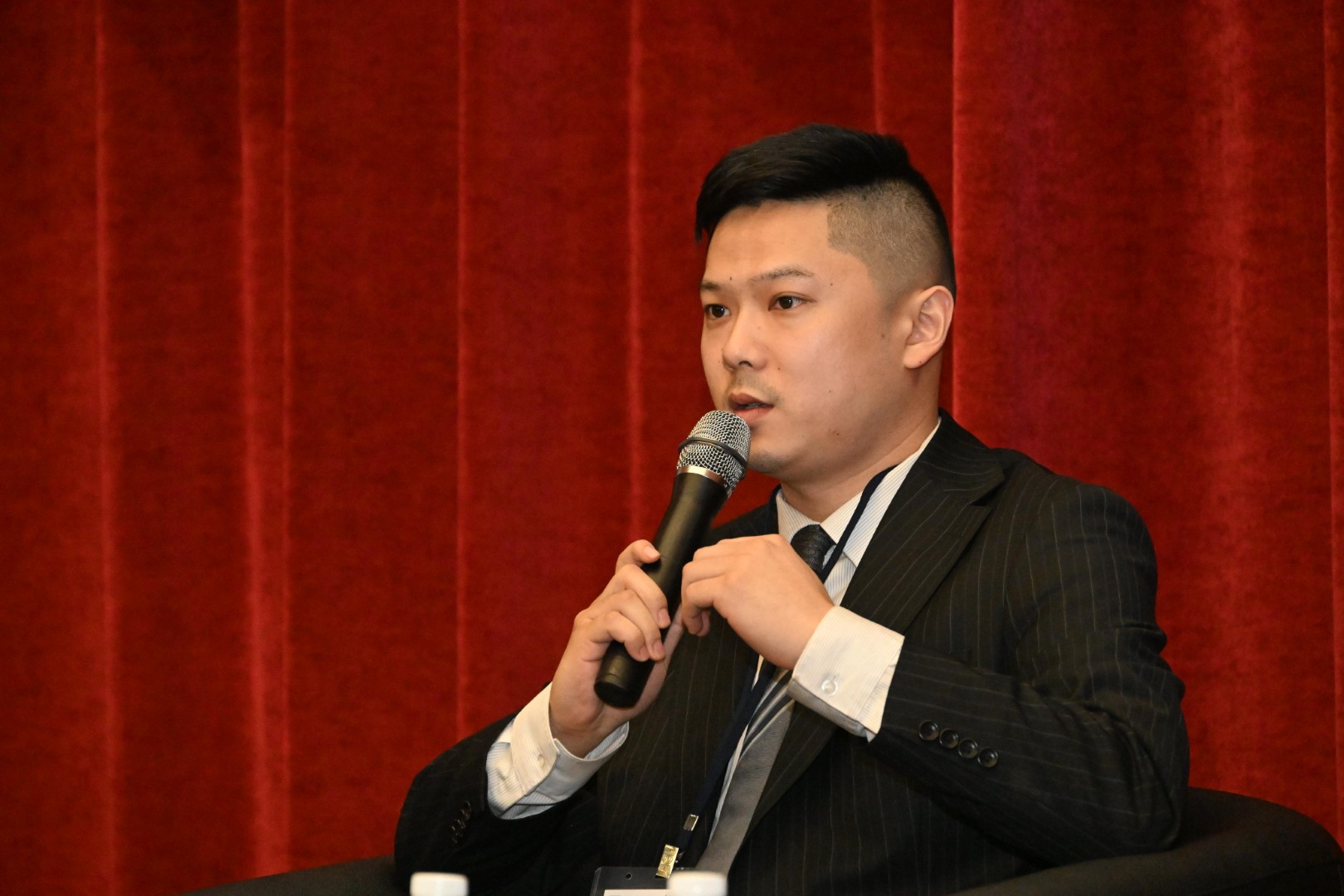
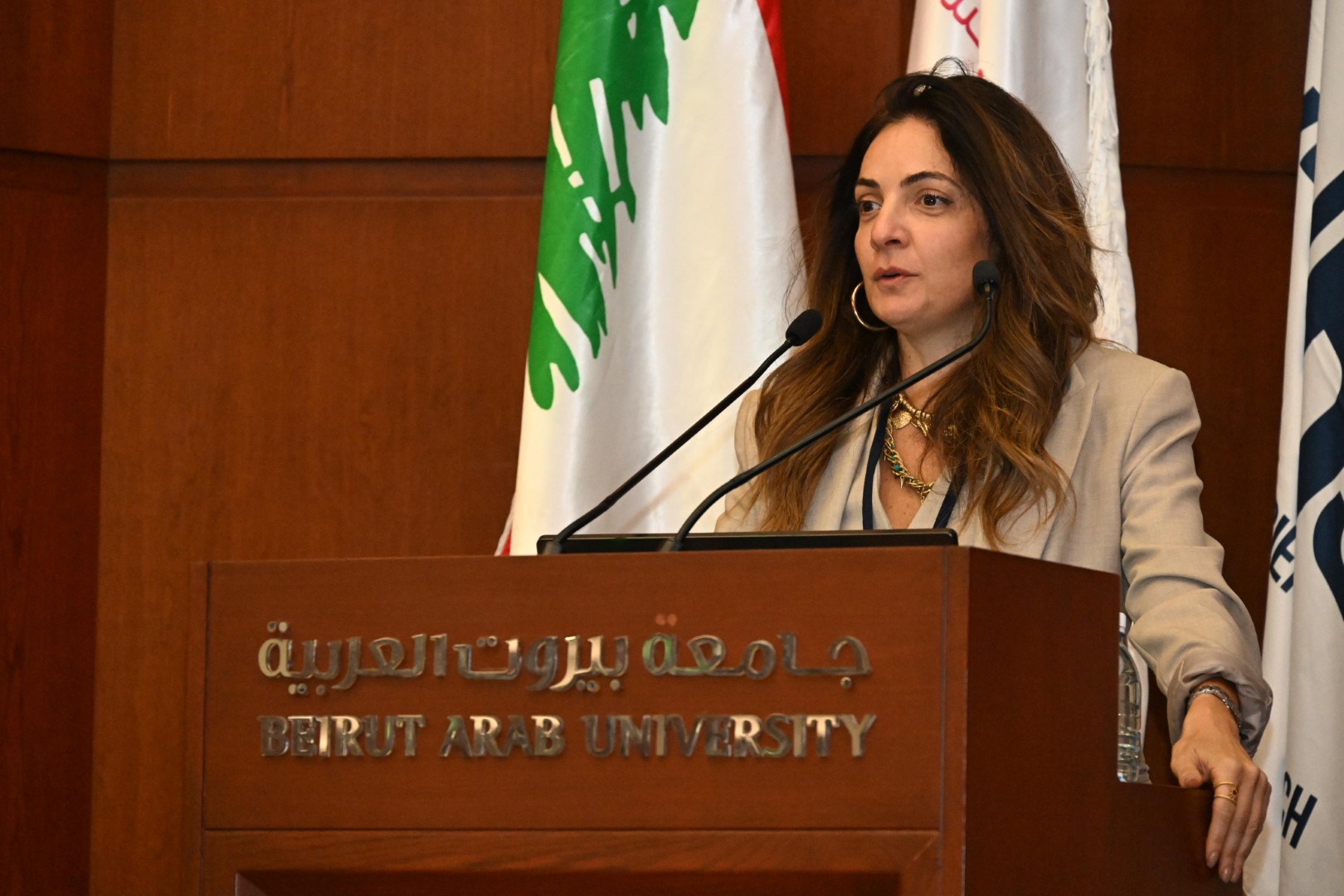
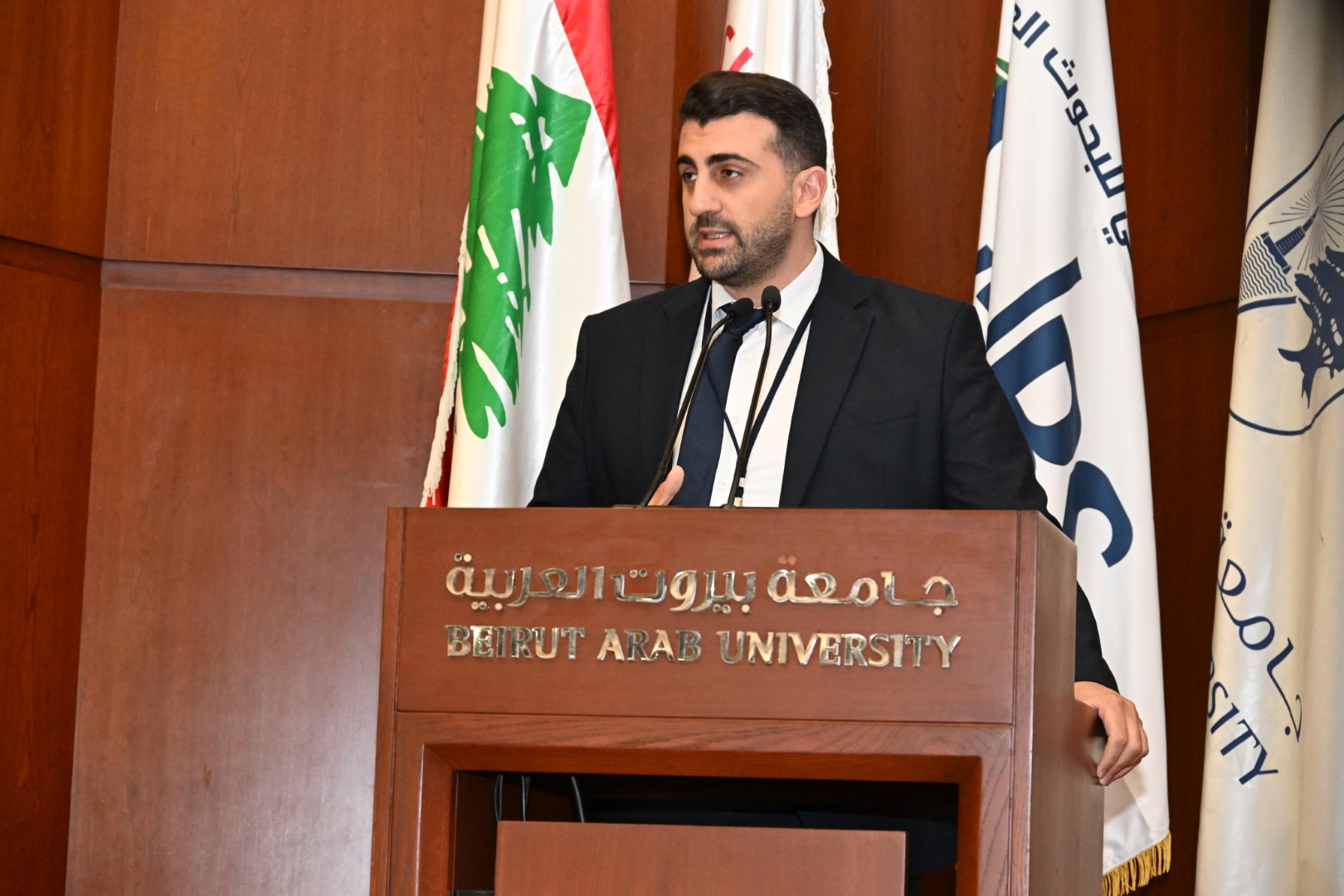
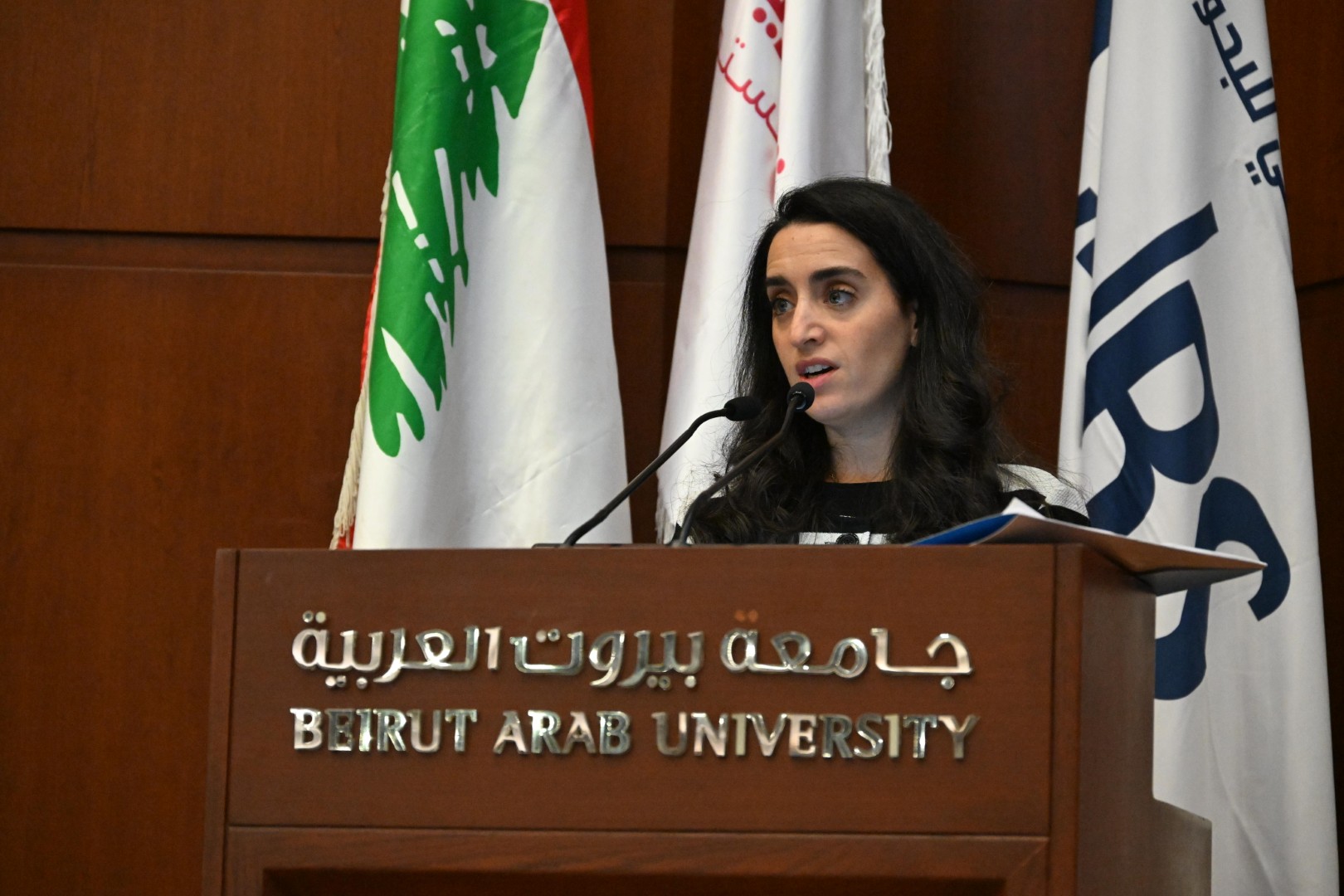
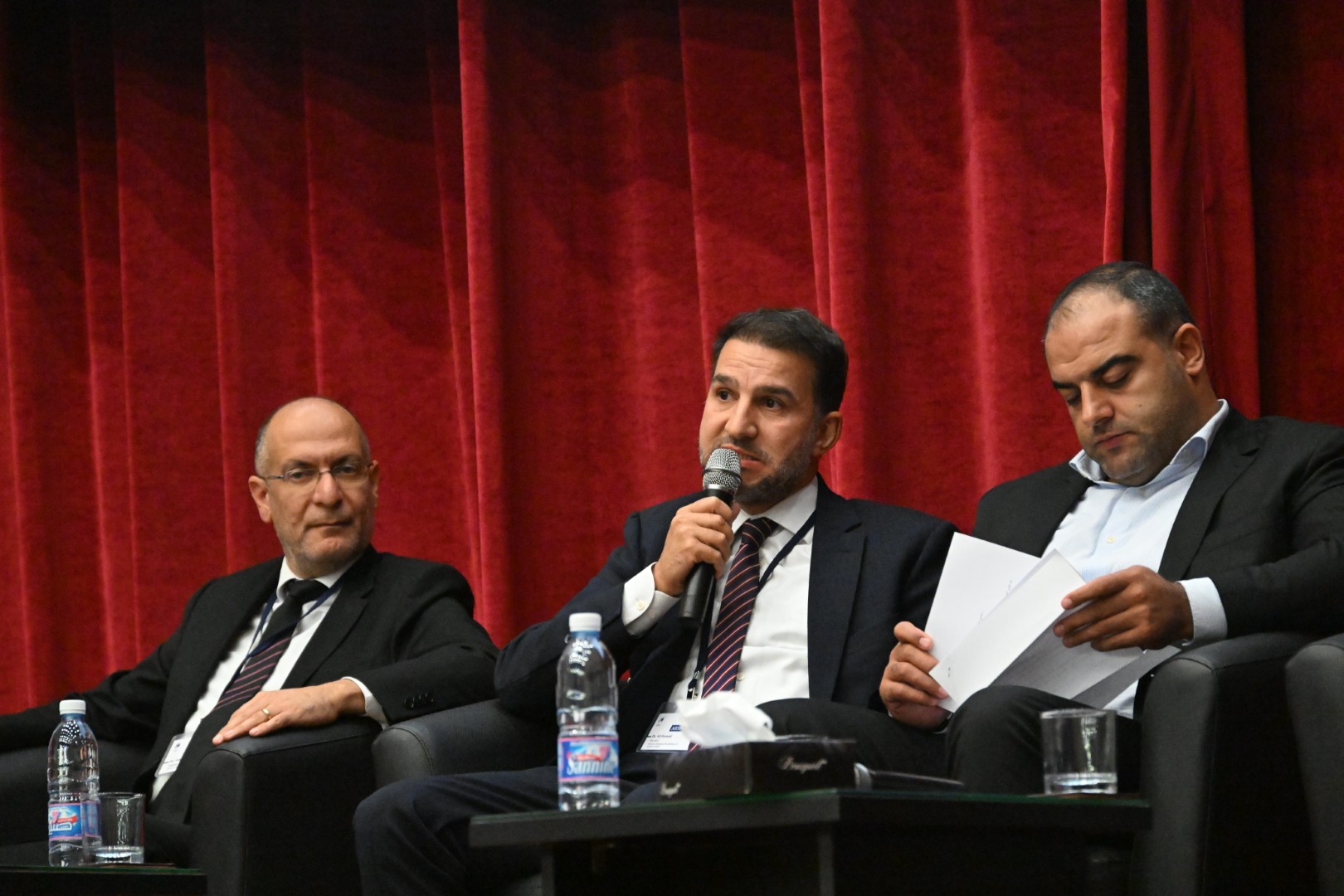
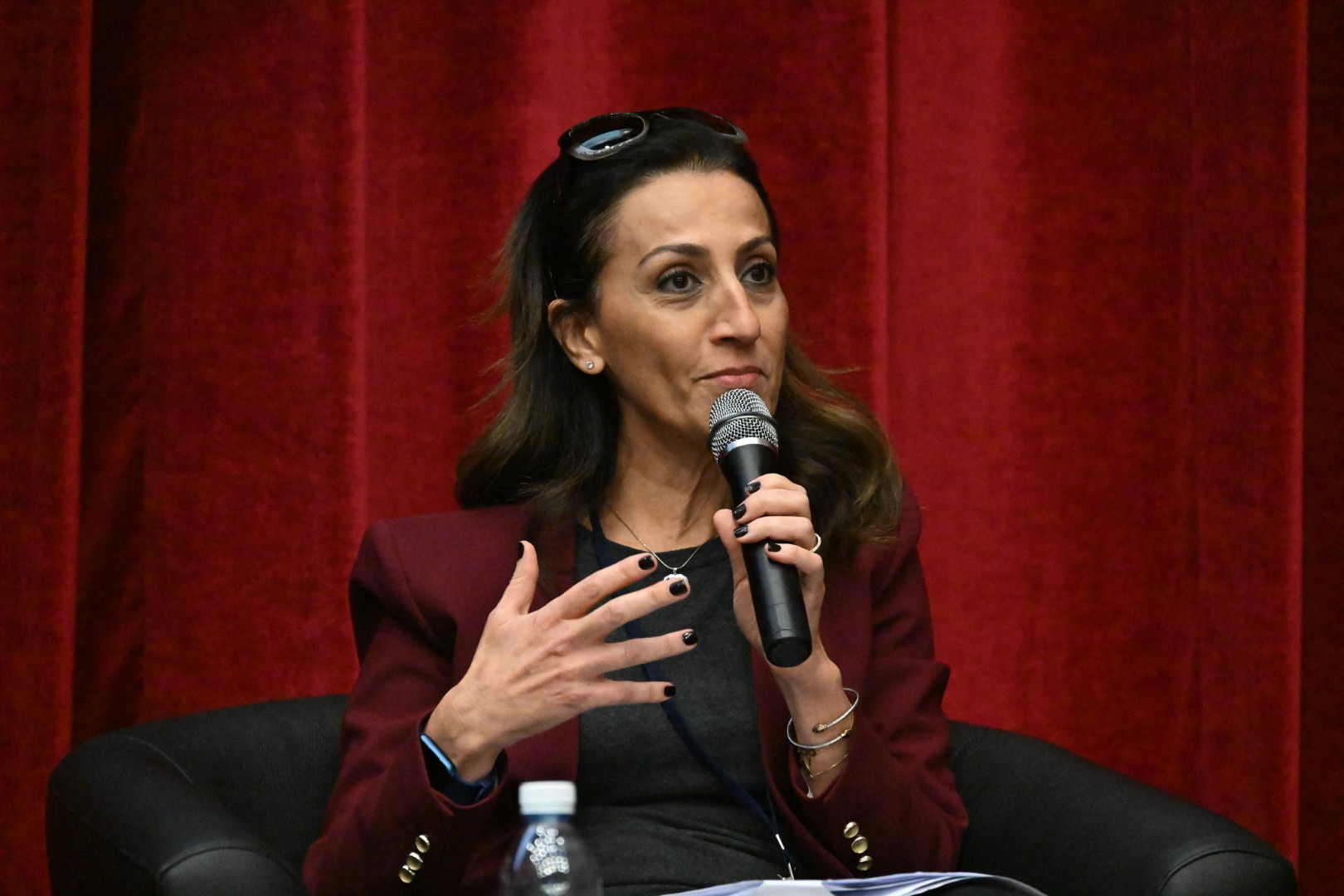
Through expert presentations, participants addressed core challenges relating to healthcare resilience, economic and social sustainability, artificial intelligence and digital transformation, climate adaptation, sustainable cities, evidence-based policymaking, and bridging research with tangible real-world impact.
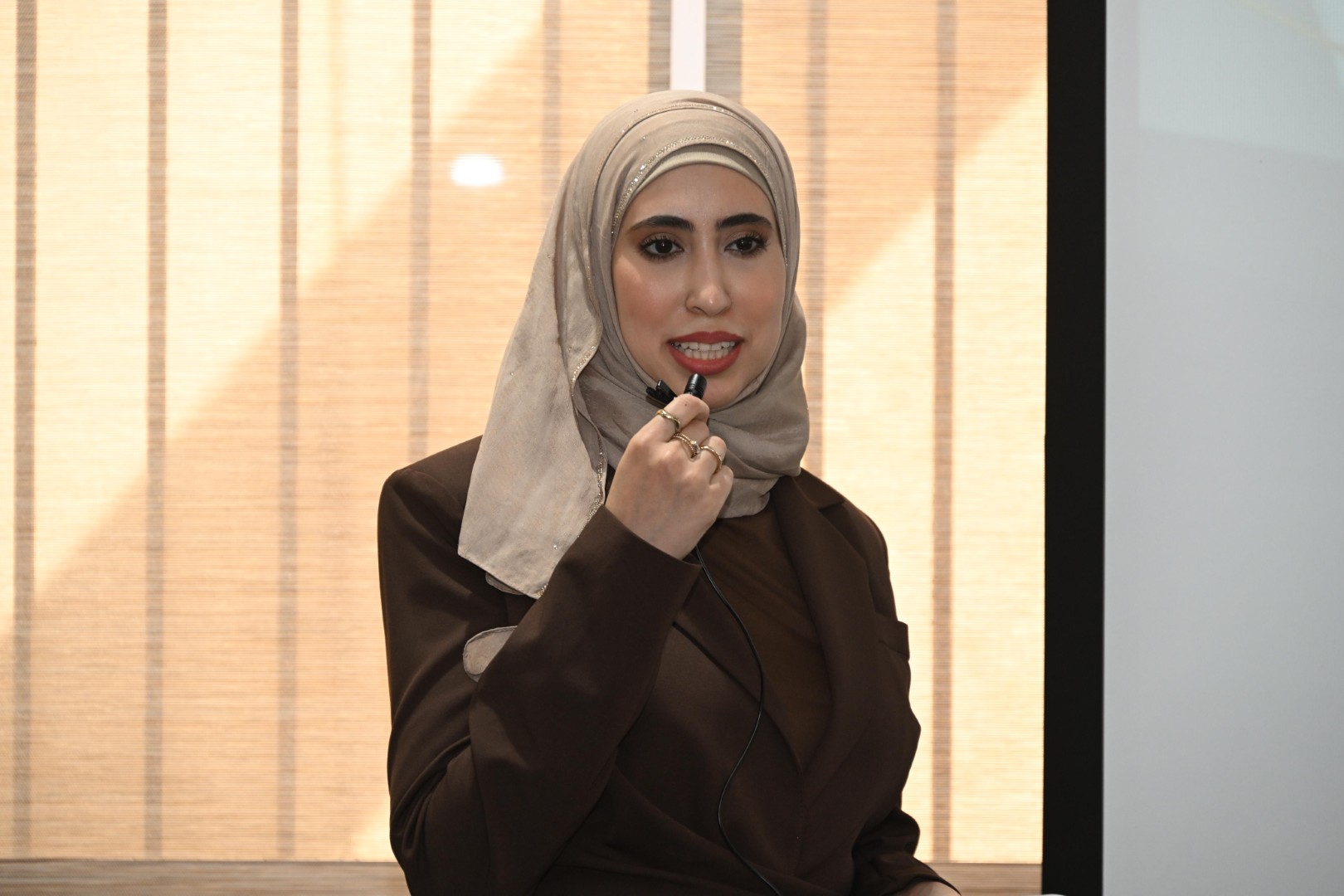
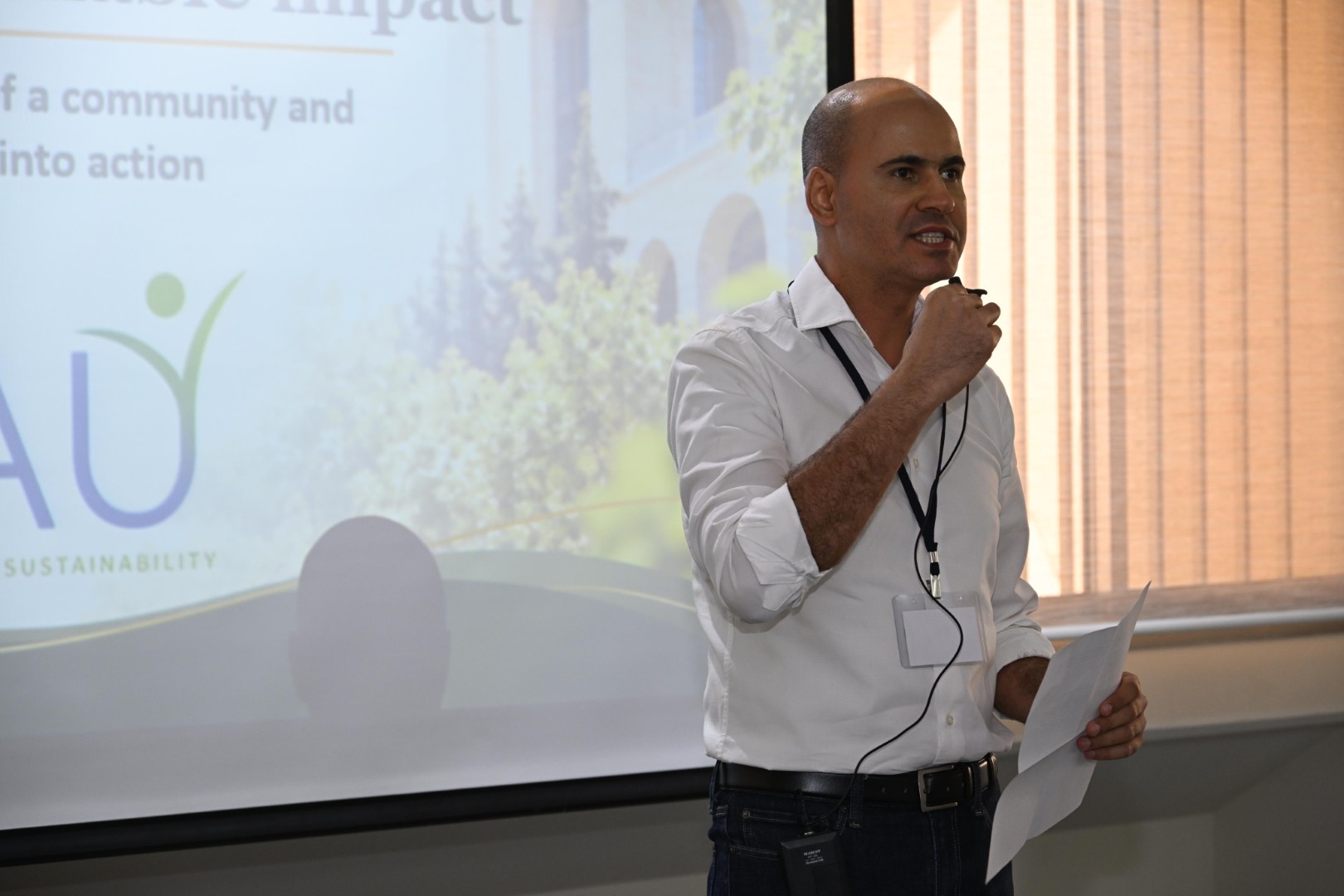
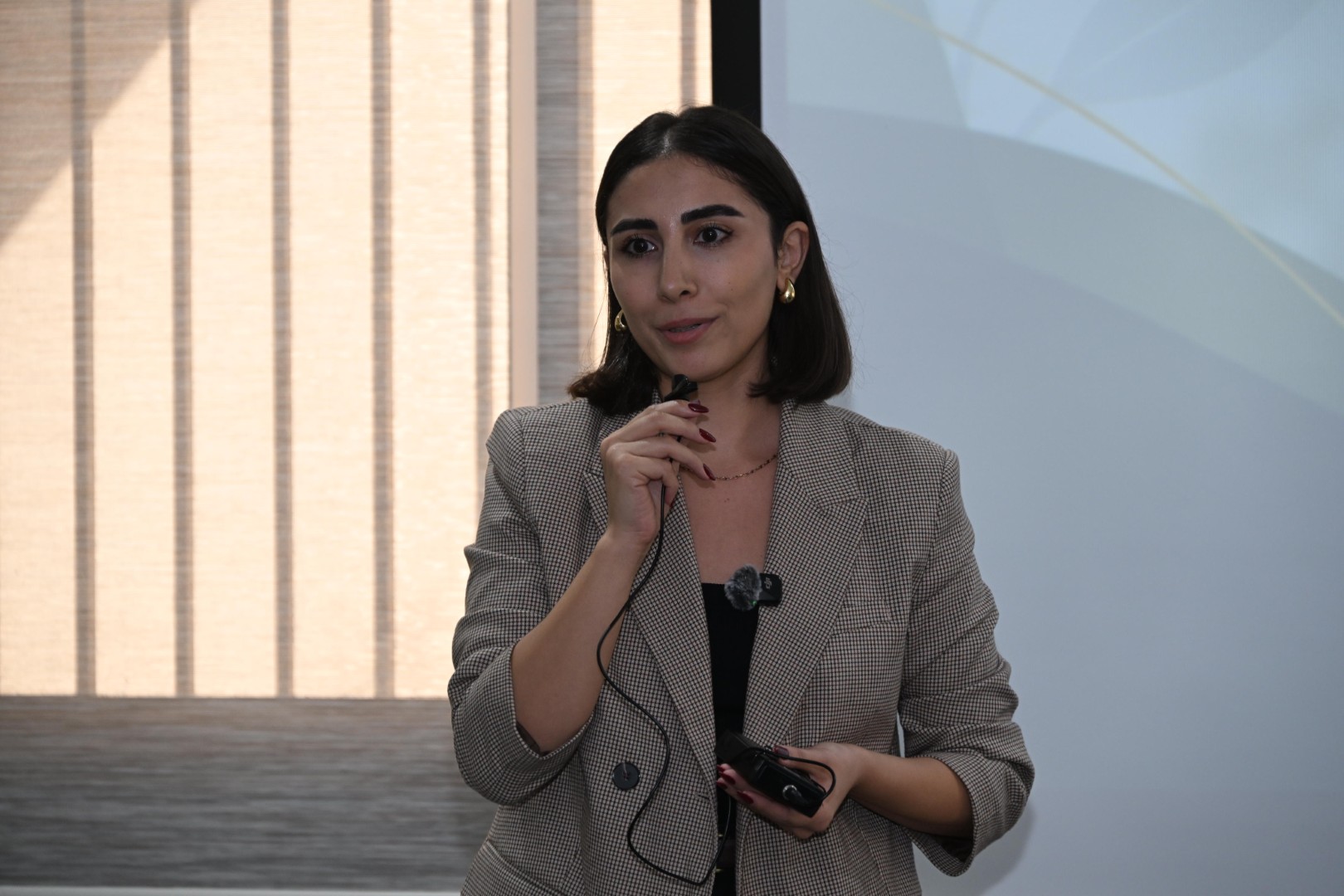
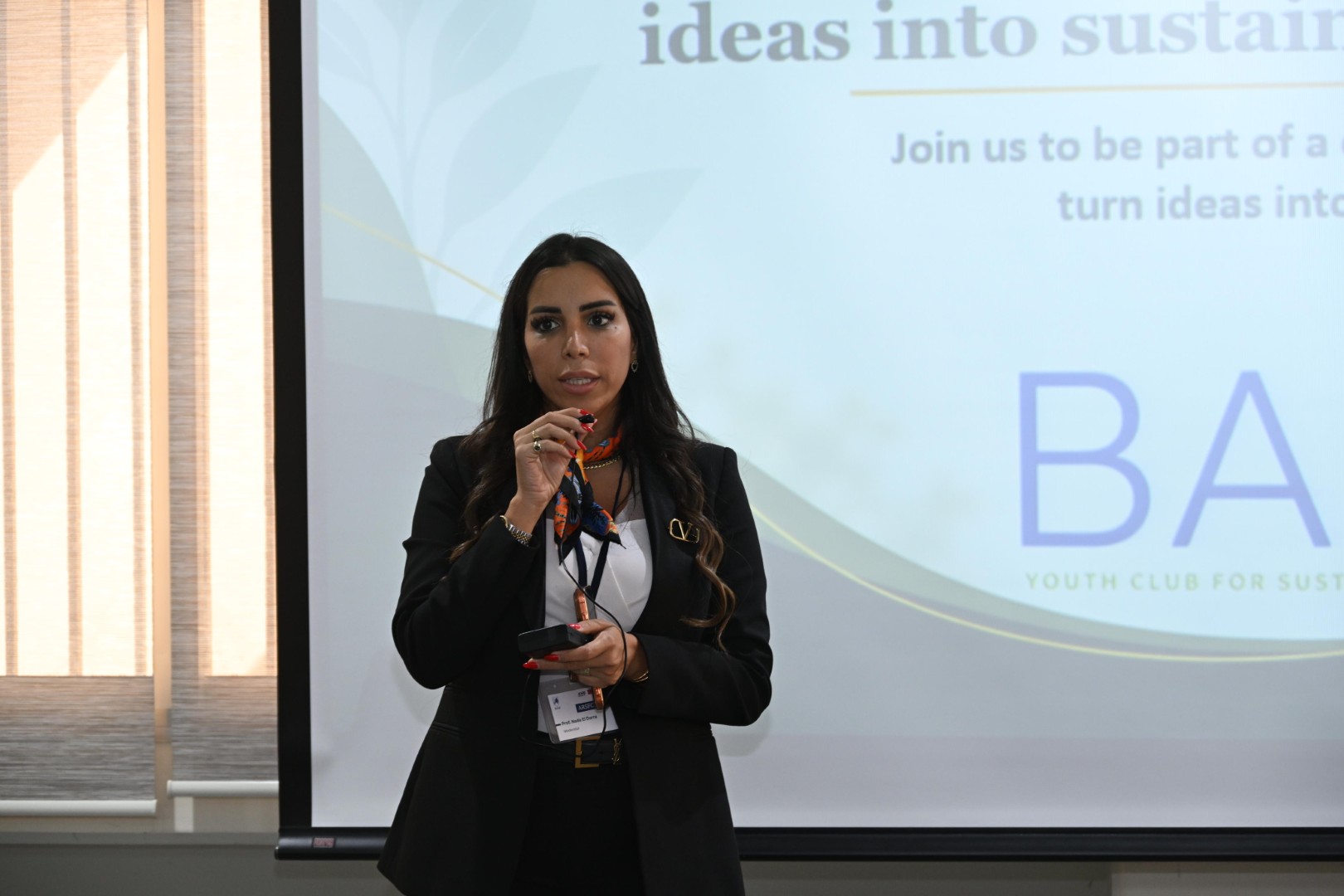
A major highlight of the ARSFC 2026 conference was the official launch of the BAU Youth Sustainability Club, established to provide students with a platform to play an active role in sustainability, research, innovation, and community action.
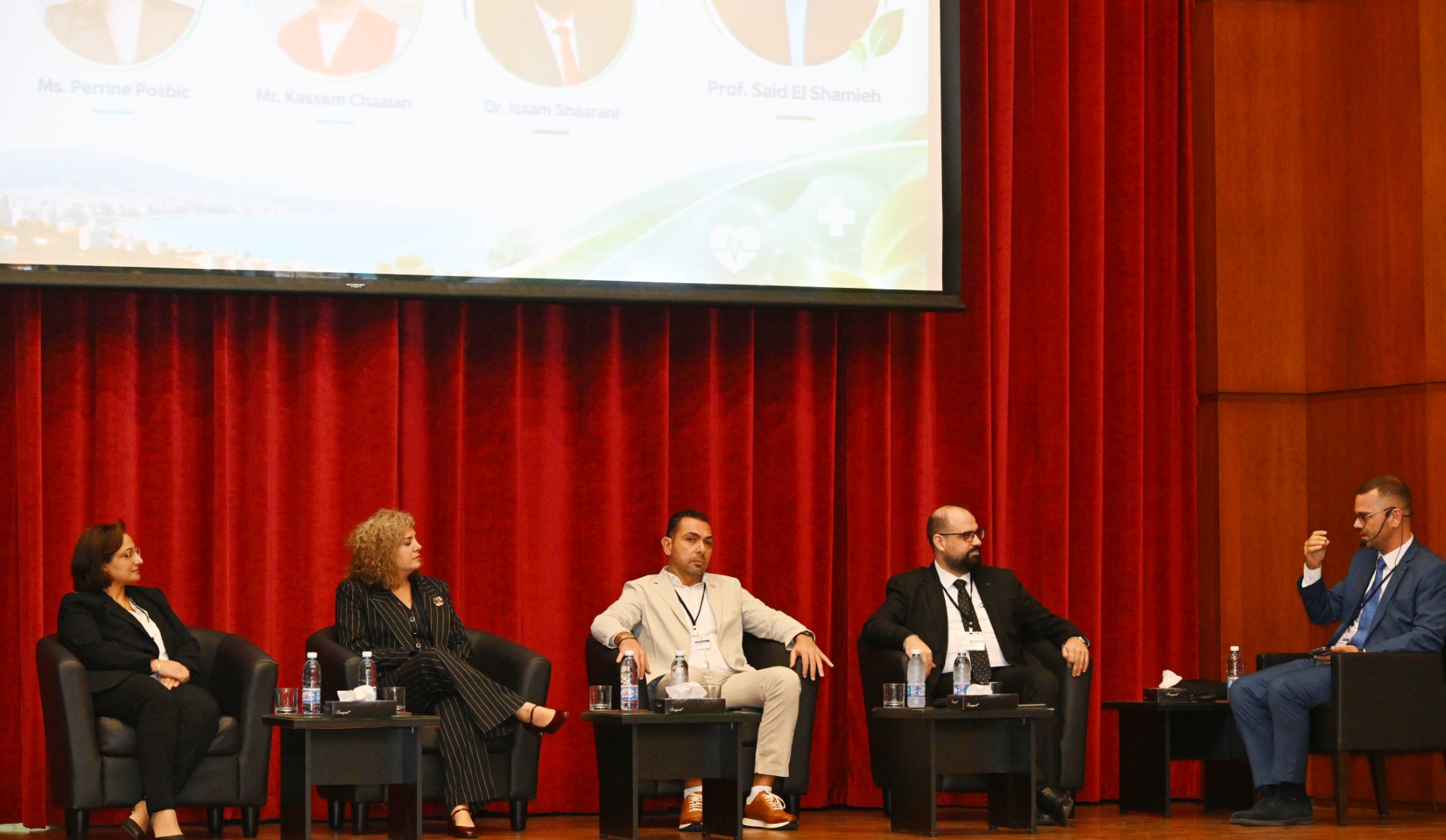
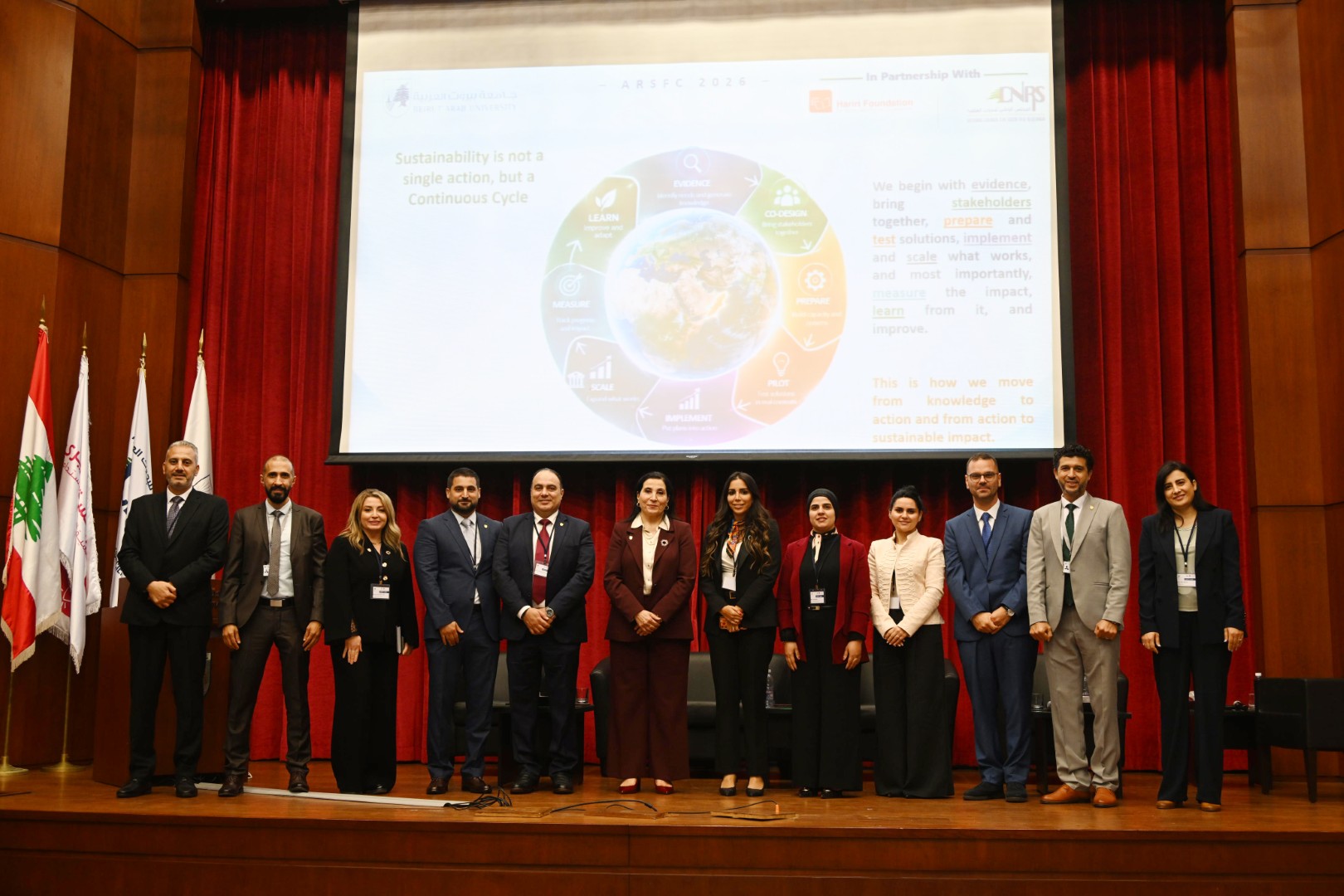
The conference concluded with a call to strengthen collaboration among academia, the public sector, and the private sector, with a shared focus on moving from knowledge to action, and from action to achieving measurable impact. This message was the core theme of a high-level panel discussion that explored ways to strengthen the linkages in Lebanon between scientific research, policy, implementation mechanisms, and community needs.