
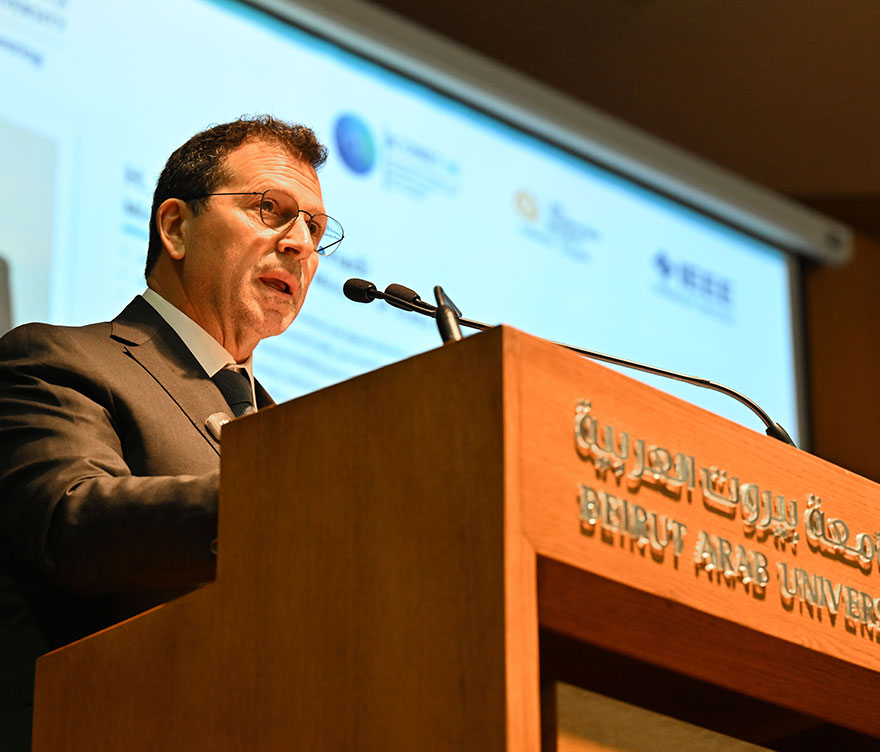
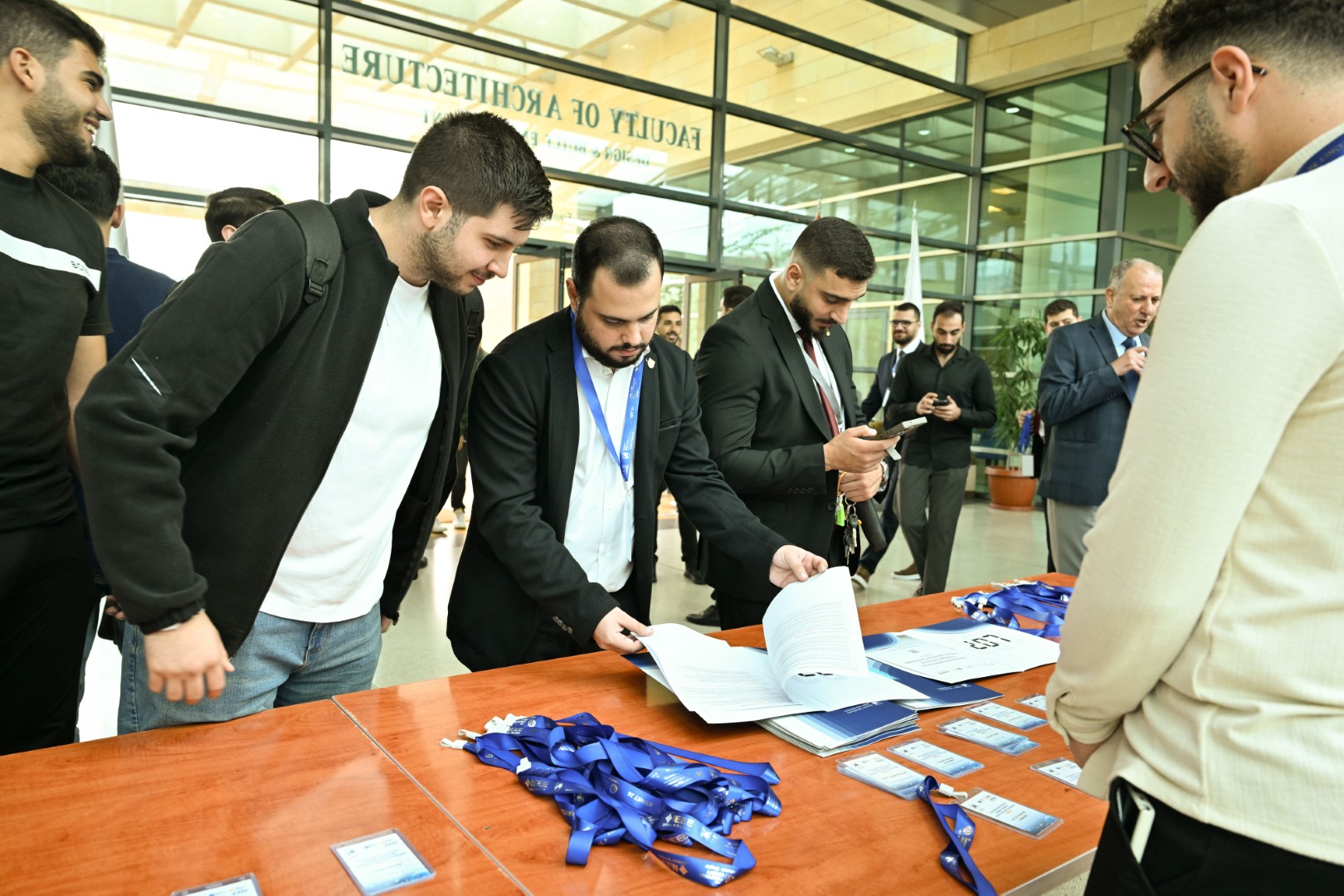
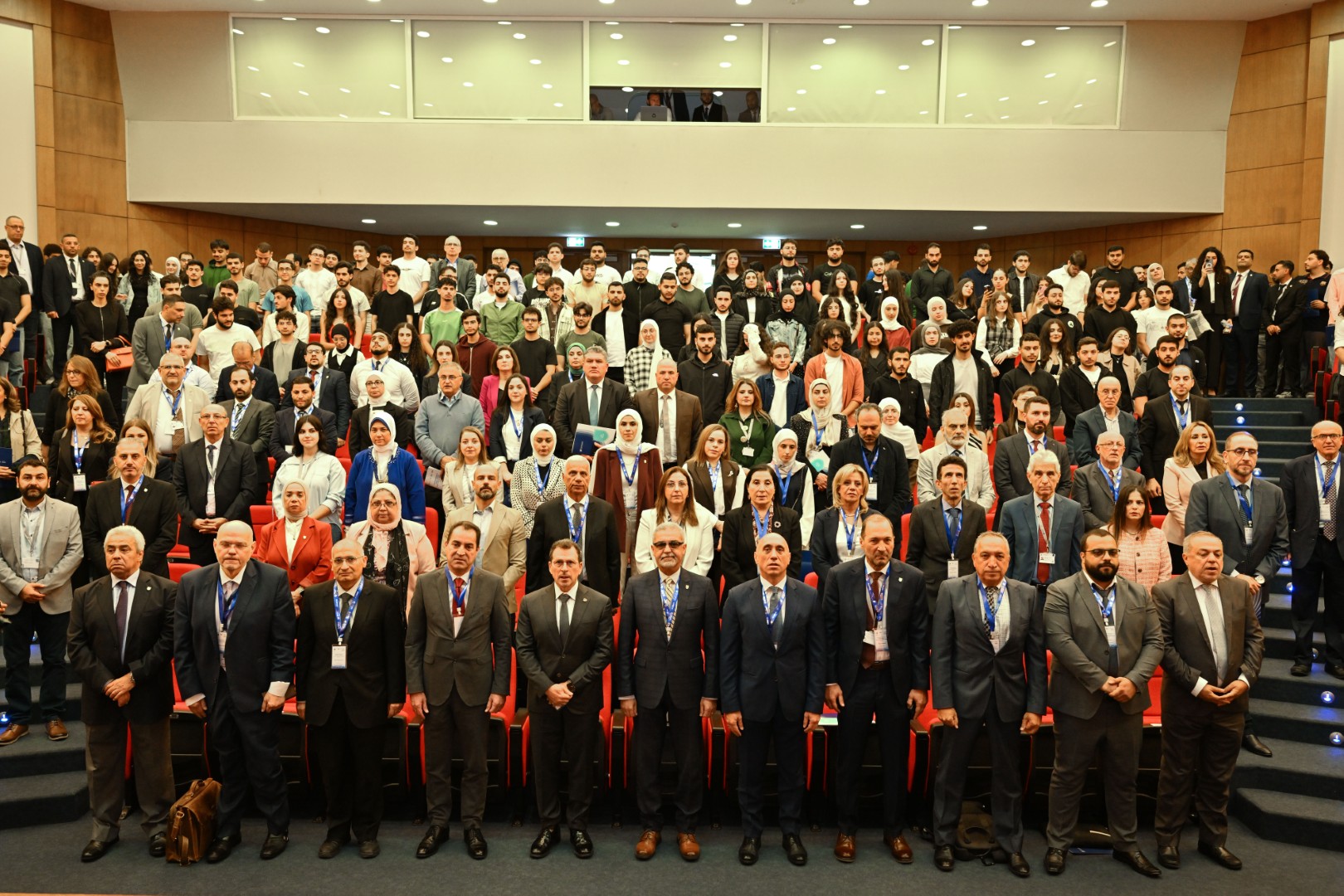
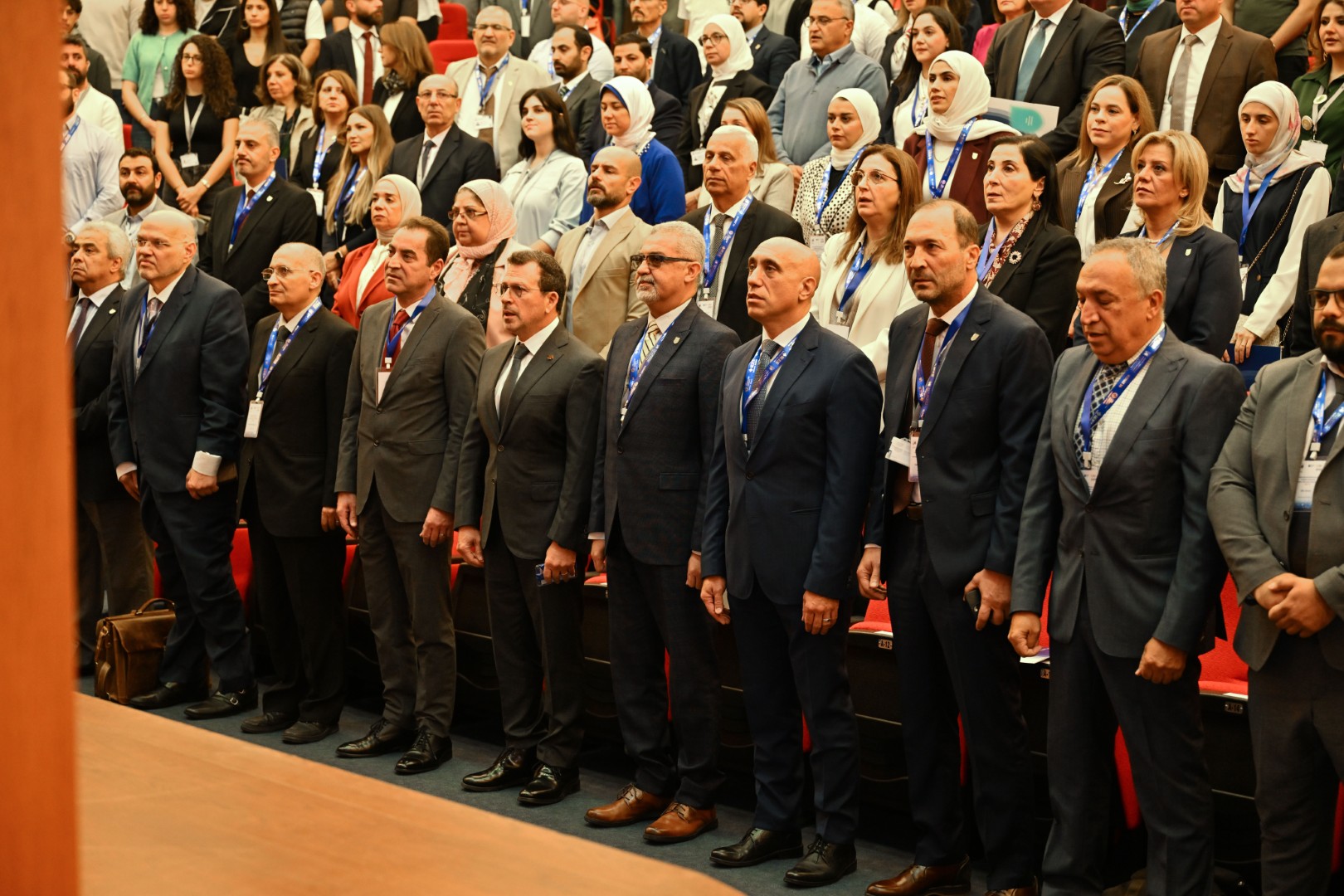
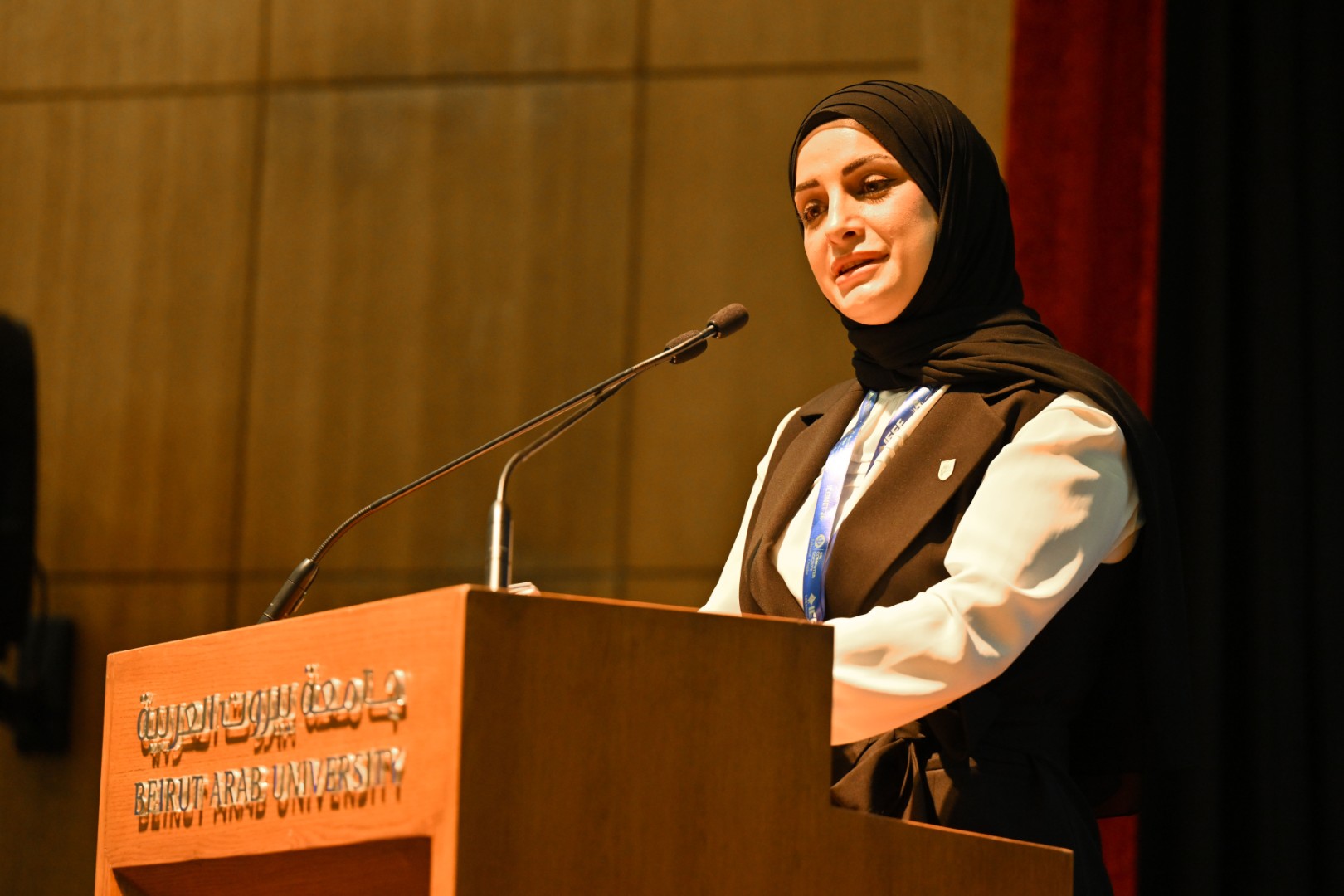
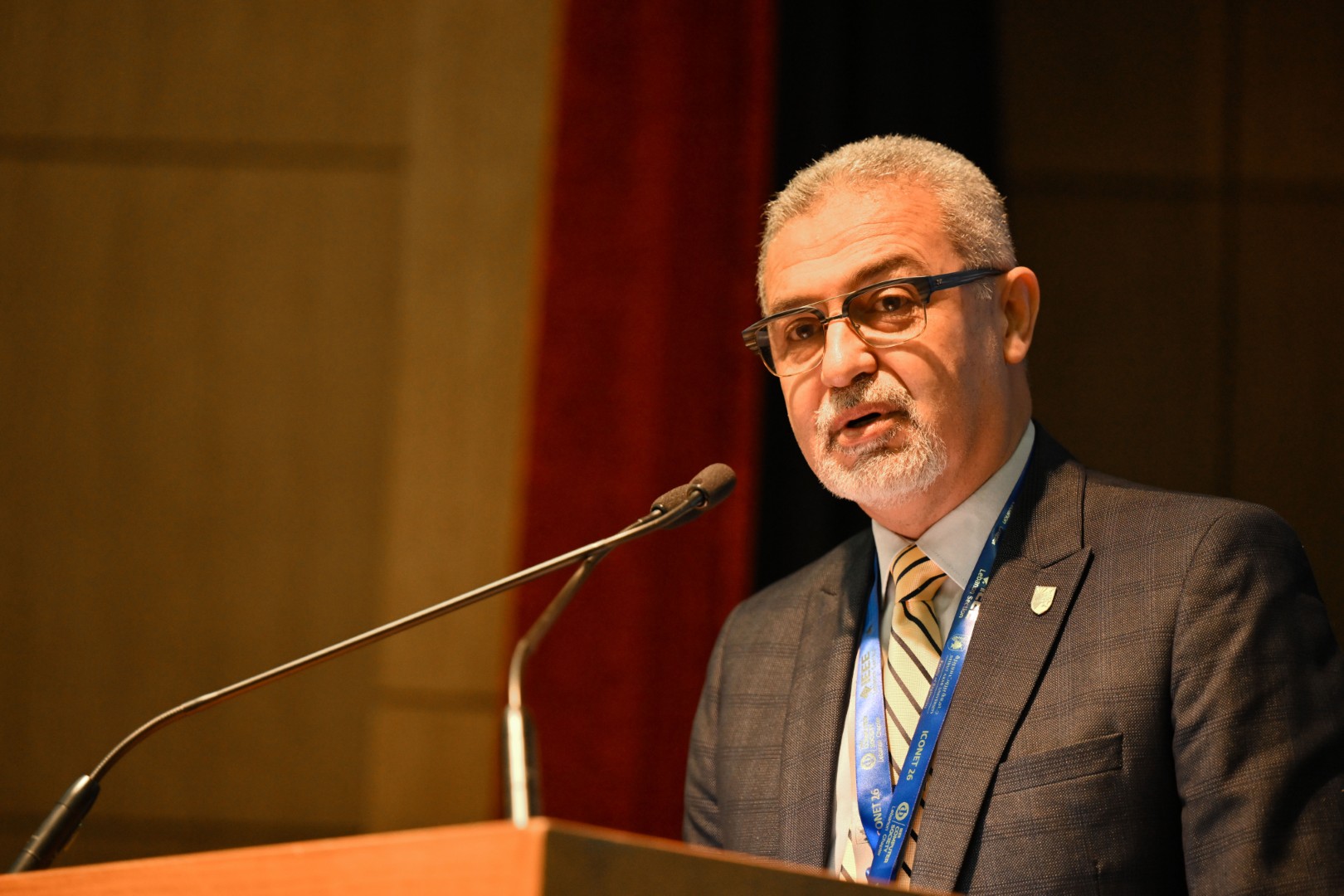
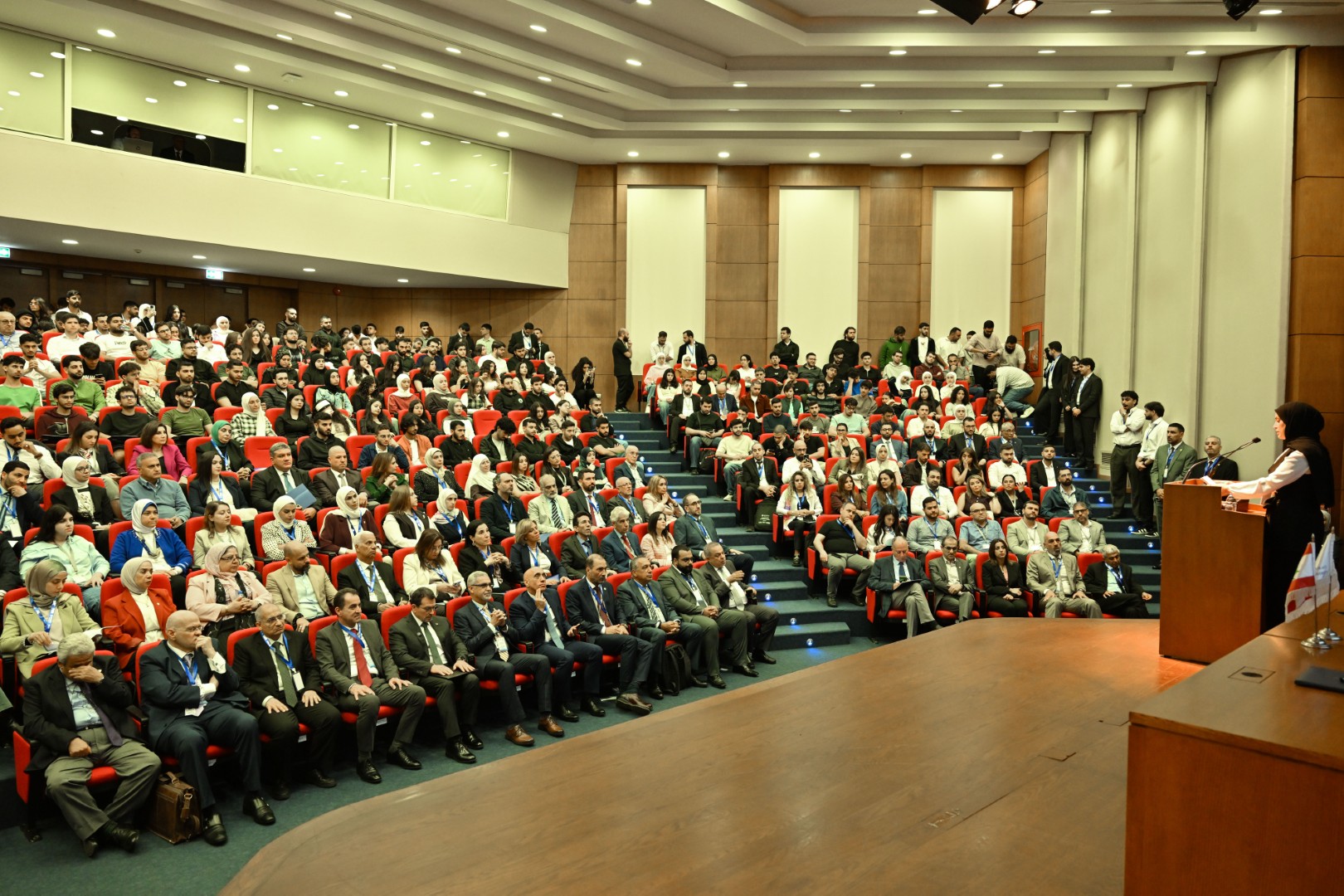
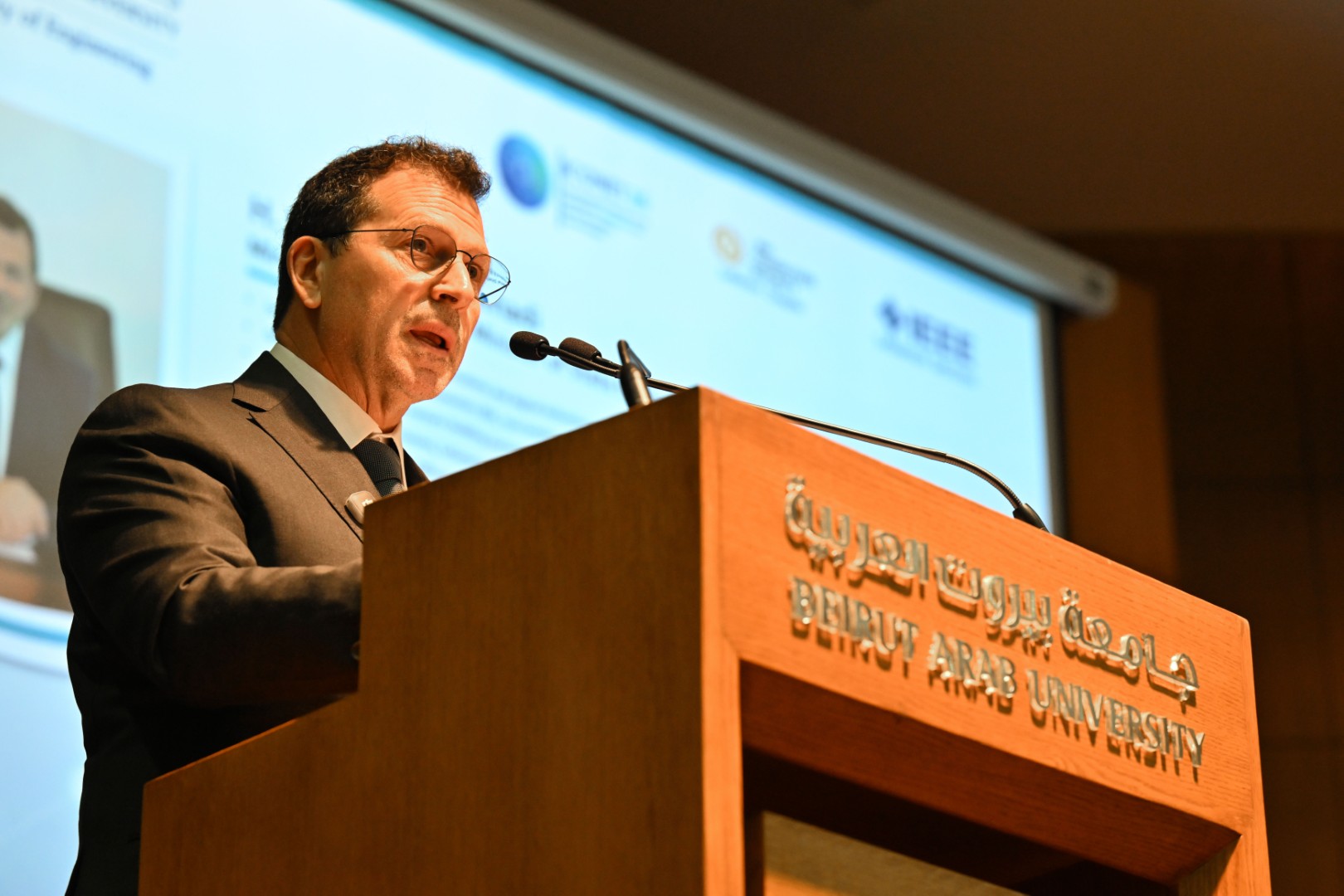
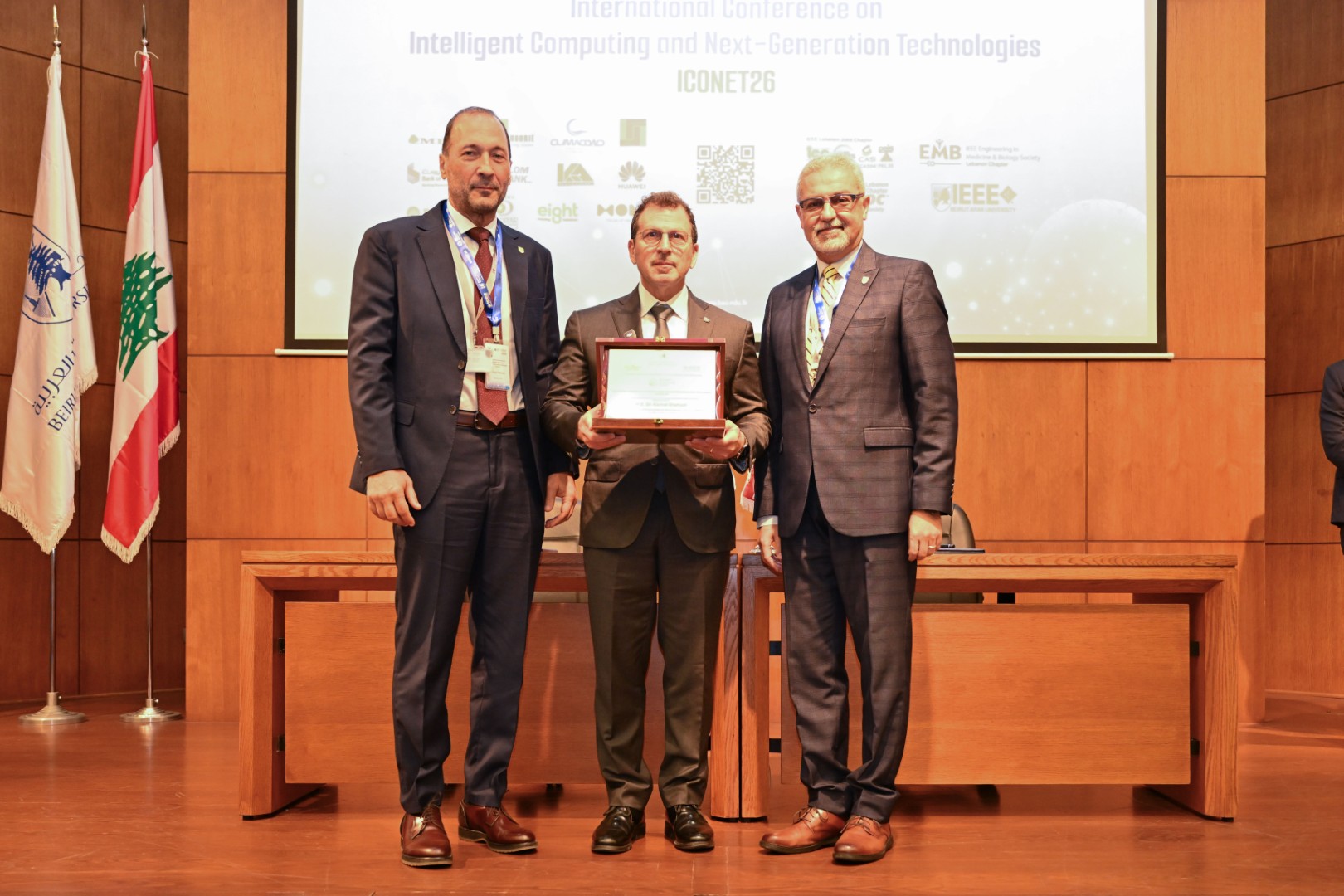
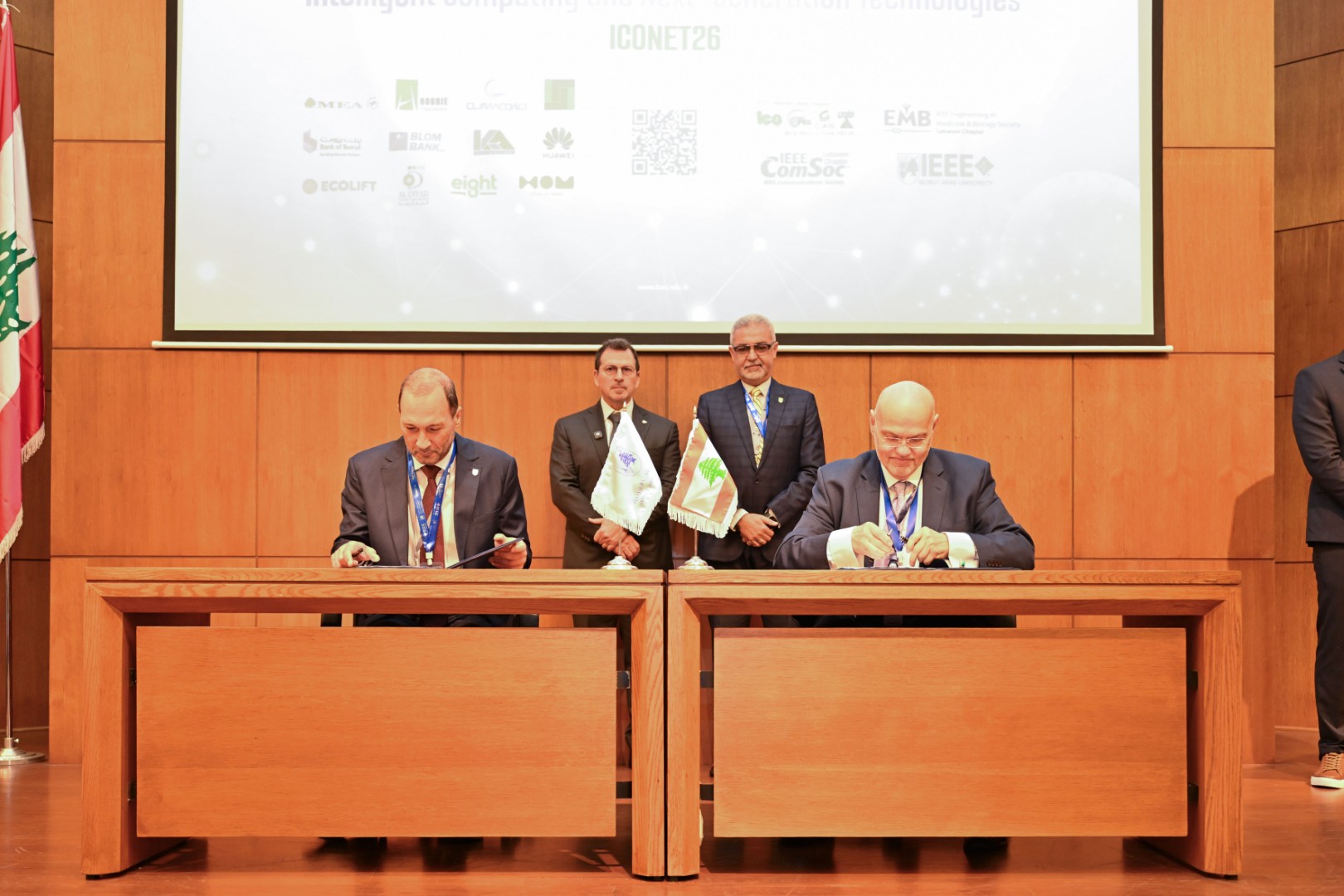
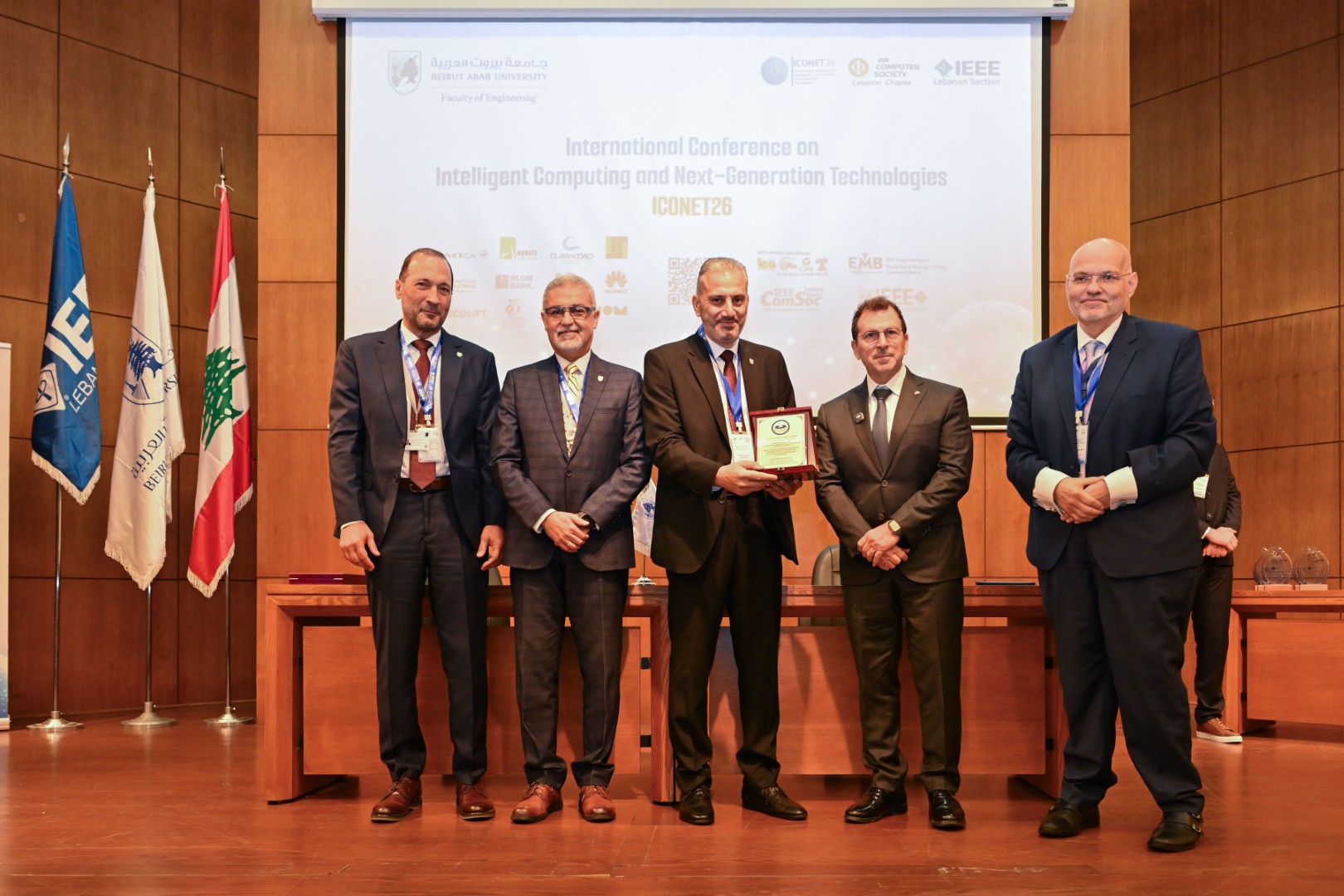
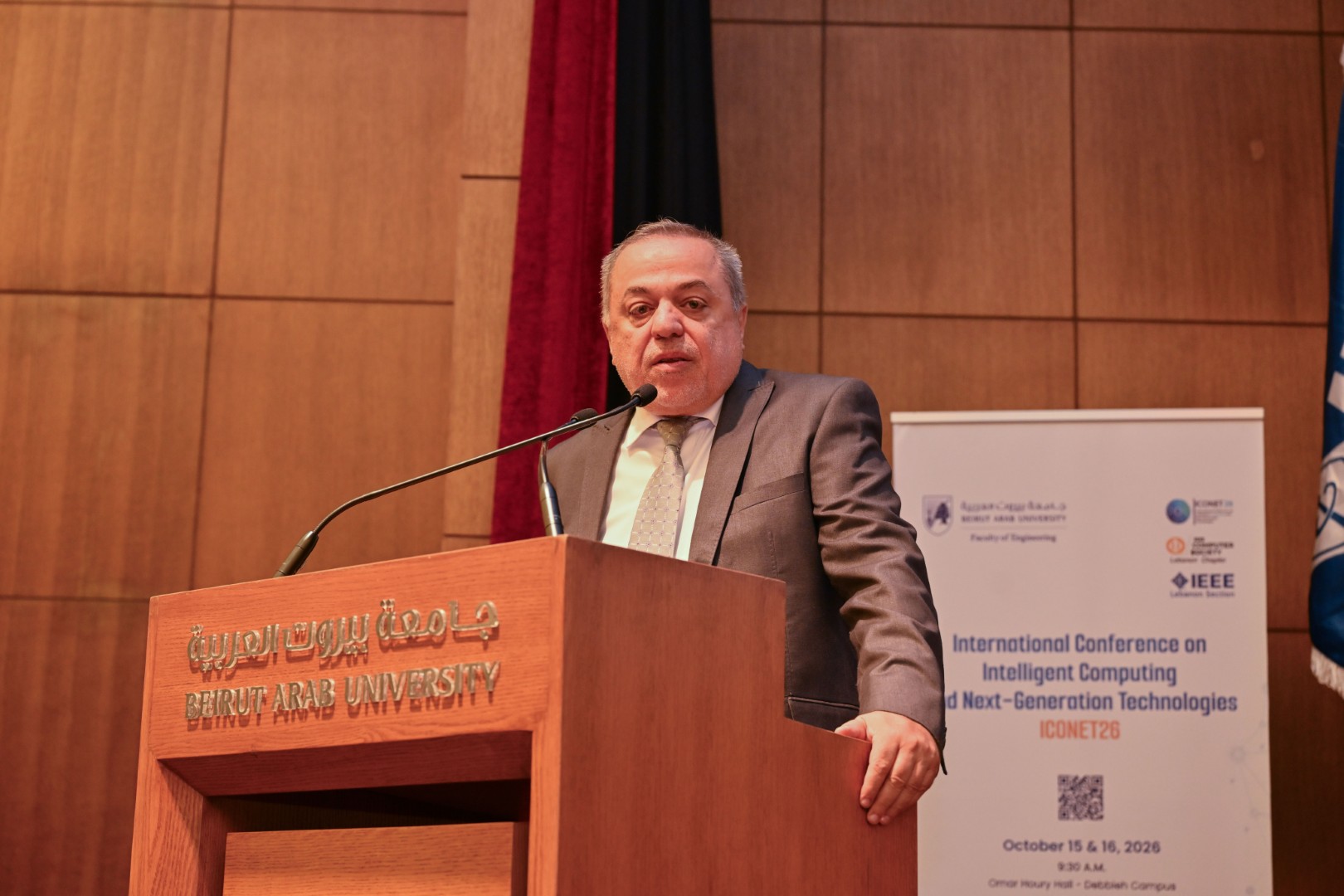
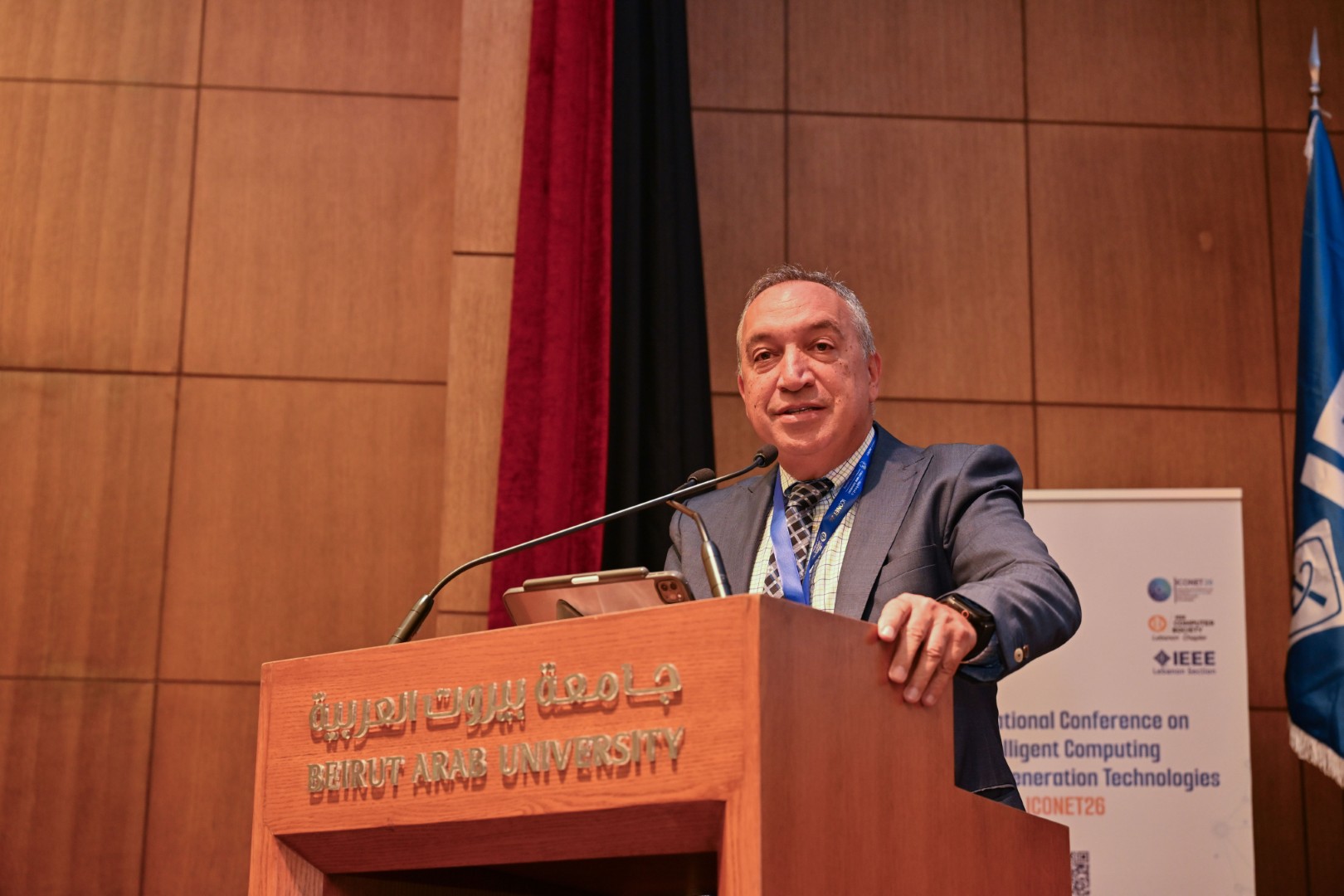
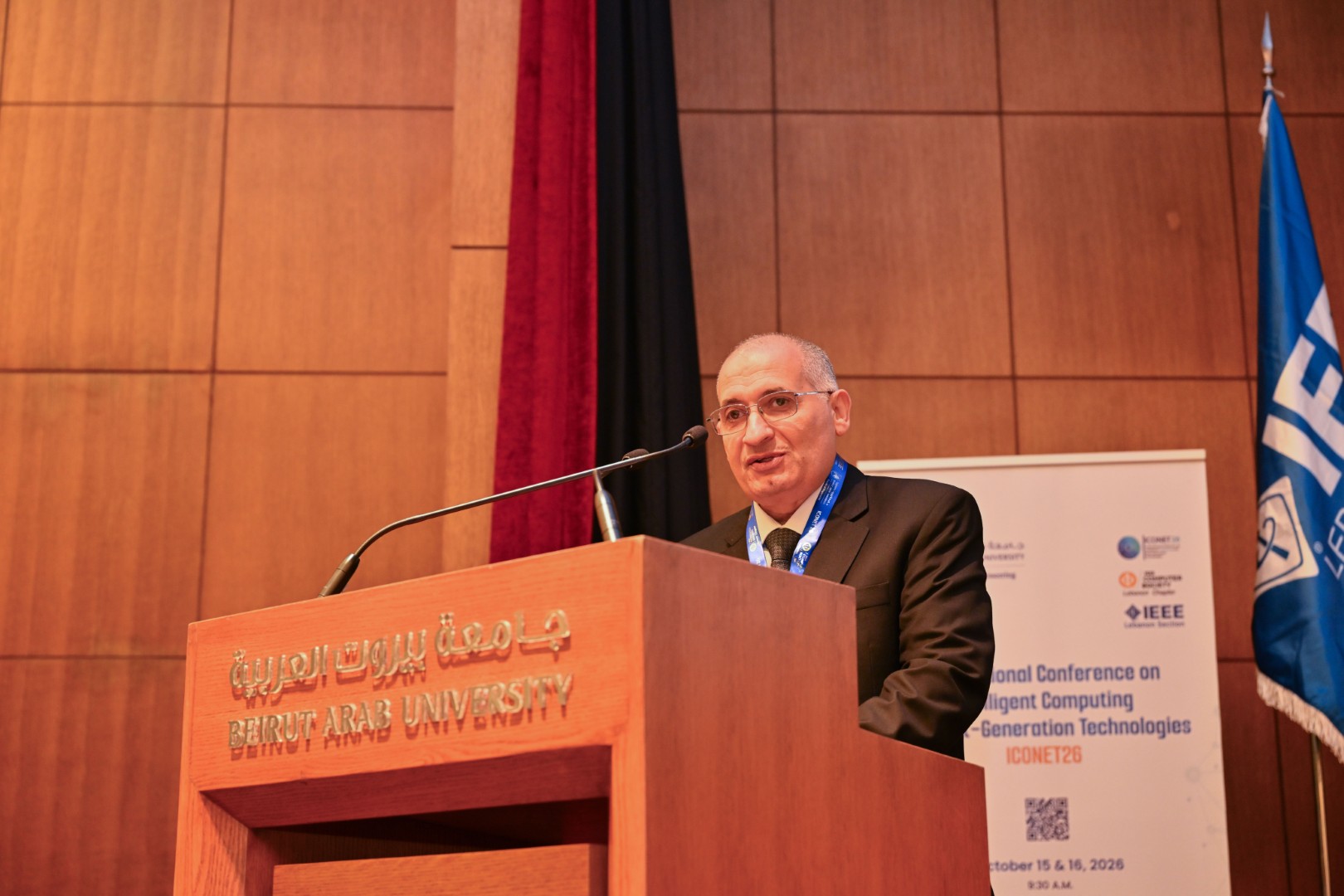
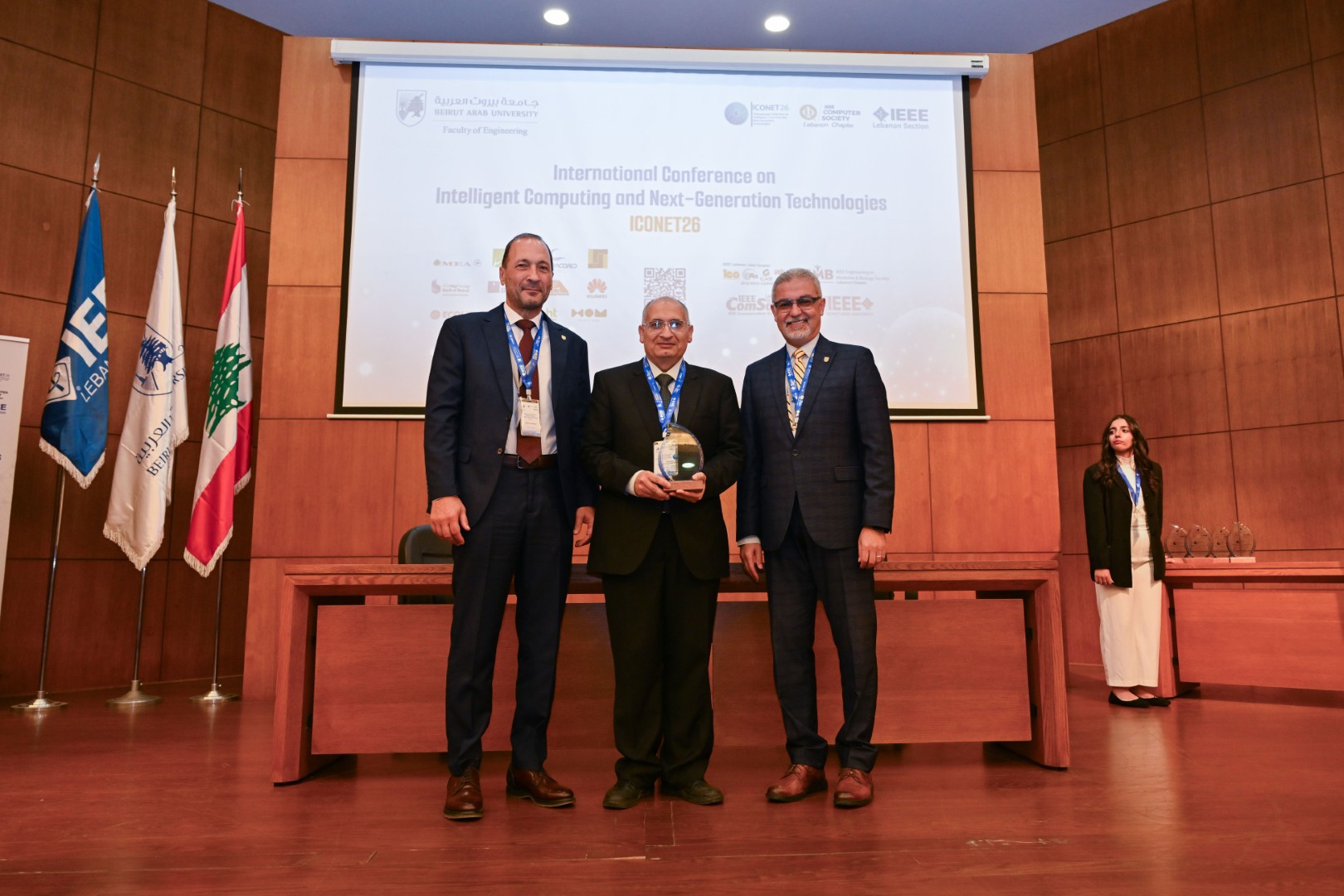
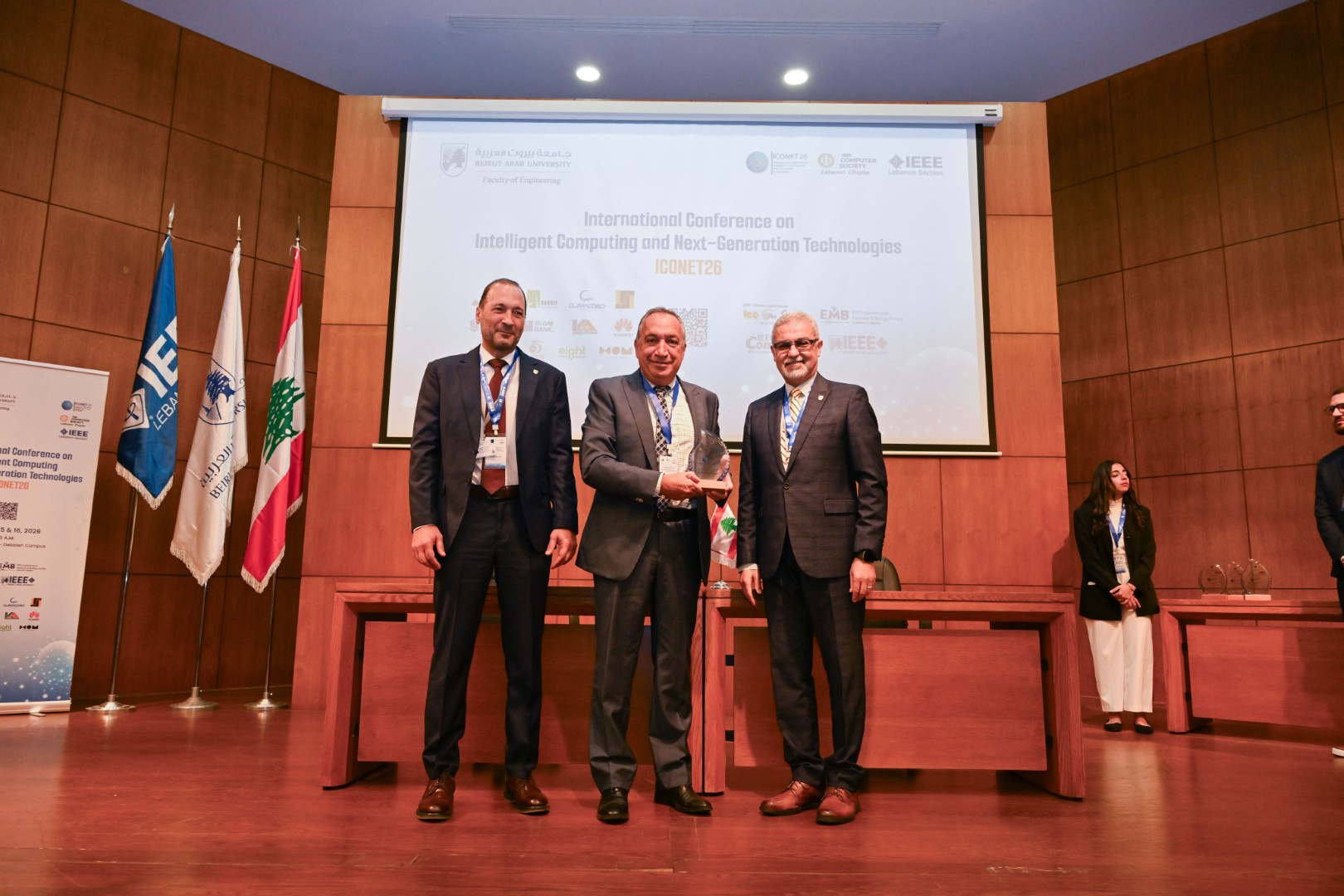
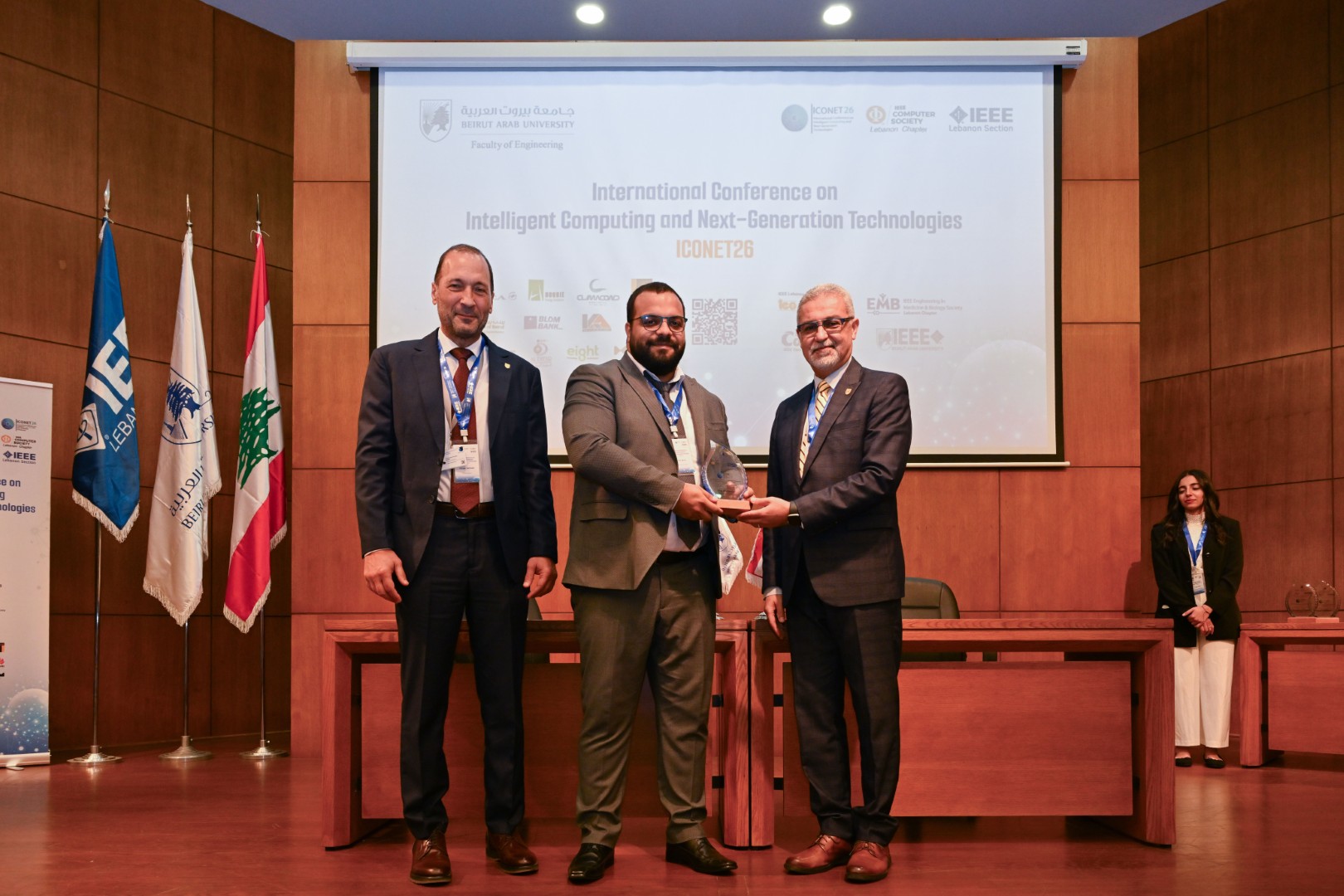
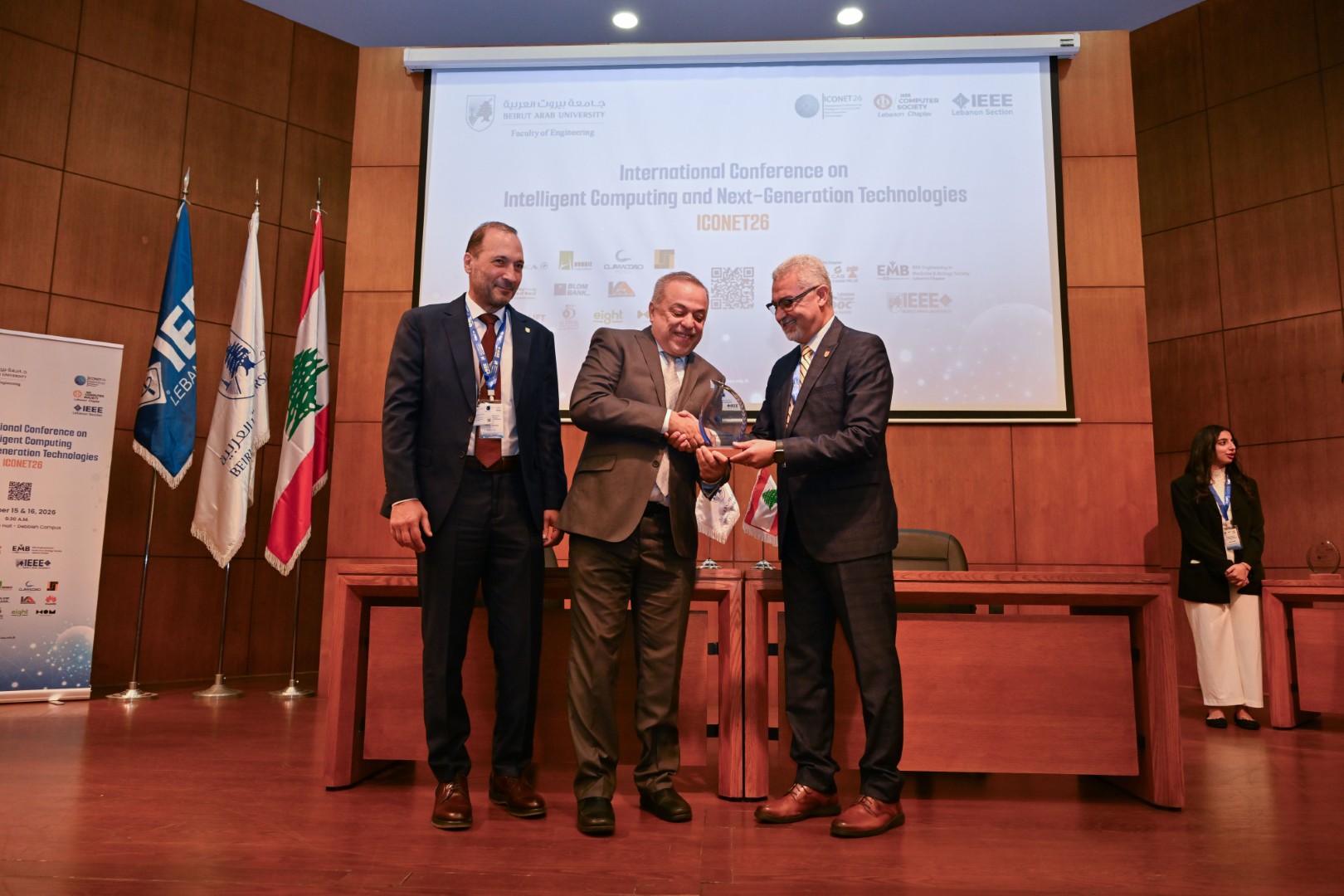
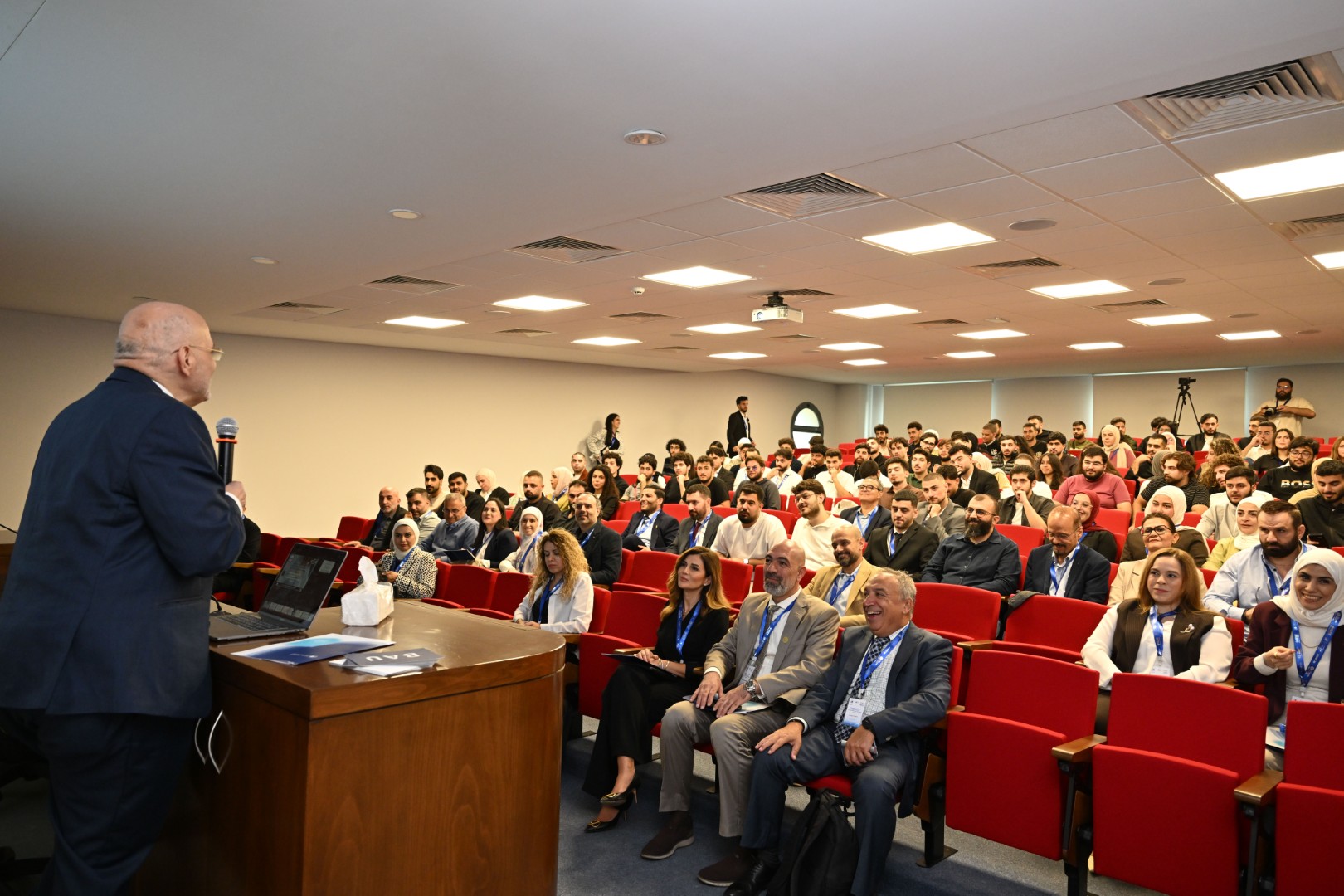
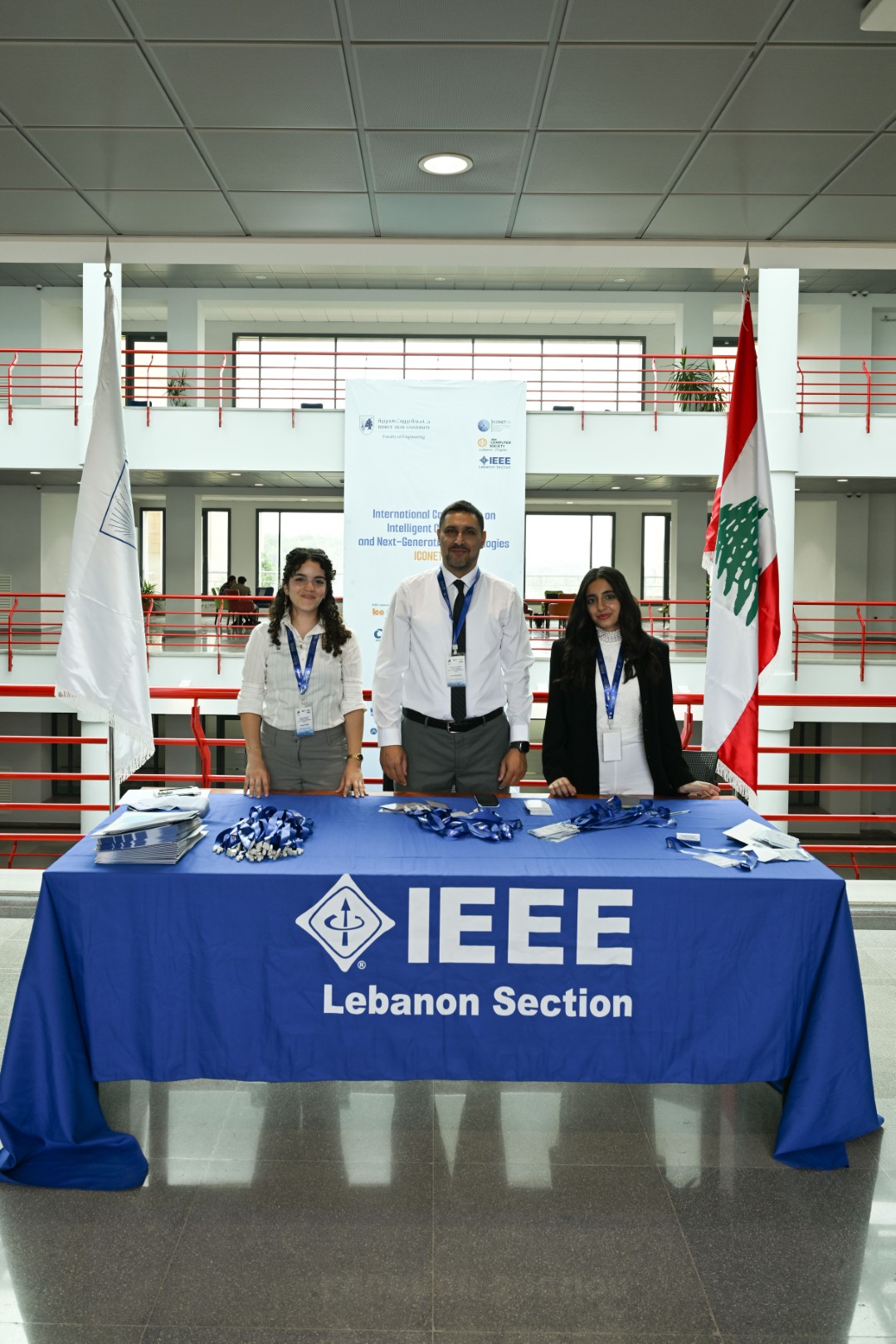
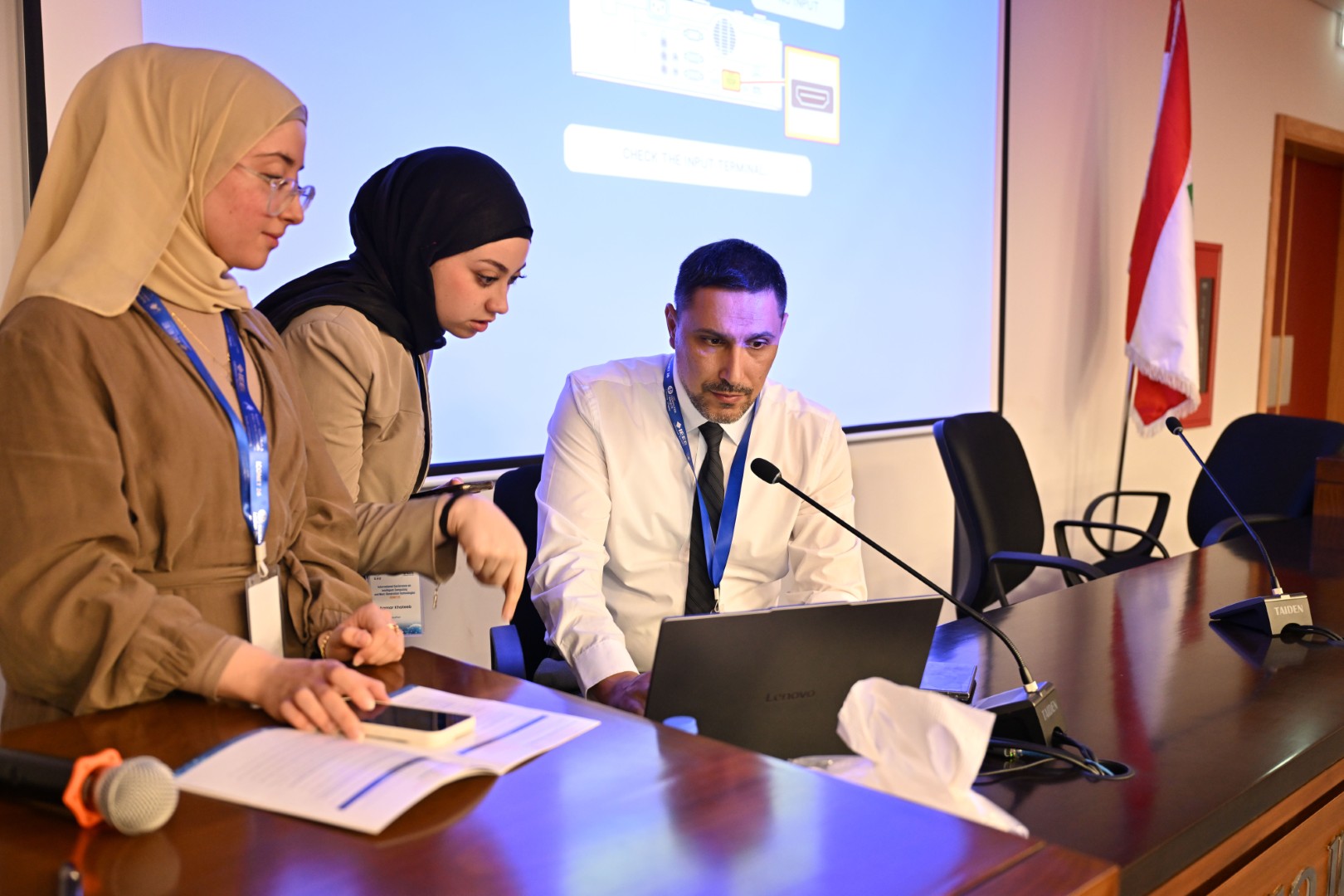
Under the patronage of the Minister of State for Technology and Artificial Intelligence, Dr. Kamal Samir Shehadi, the Faculty of Engineering at Beirut Arab University – Debbieh Campus hosted the International Conference on Intelligent Computing and Next-Generation Technologies-ICONET26, with the participation of researchers and academics from more than 13 countries around the world.
The conference is the official scientific event of the IEEE Computer Society Chapter in Lebanon. It aims to exchange scientific expertise and develop research cooperation at local and international levels. It also serves as a scientific forum to exchange experiences and discuss the latest innovations in intelligent computing and next-generation technologies, supporting scientific research and opening new horizons for young researchers and engineers.
The opening was attended by the Minister of State for Technology and Artificial Intelligence, Dr. Kamal Samir Shehadi, Chairman of the Board of the Waqf Al-Bir wal-Ihsan and Chairman of the BAU Board of Trustees Dr. Ammar Houry represented by Dr. Ayman Houri; the President of the University Professor Wael Nabil Abdel Salam, the Secretary-General of the University Dr. Omar Houri, university deans and directors, and an elite group of academics, experts, and specialists in the technology sector.
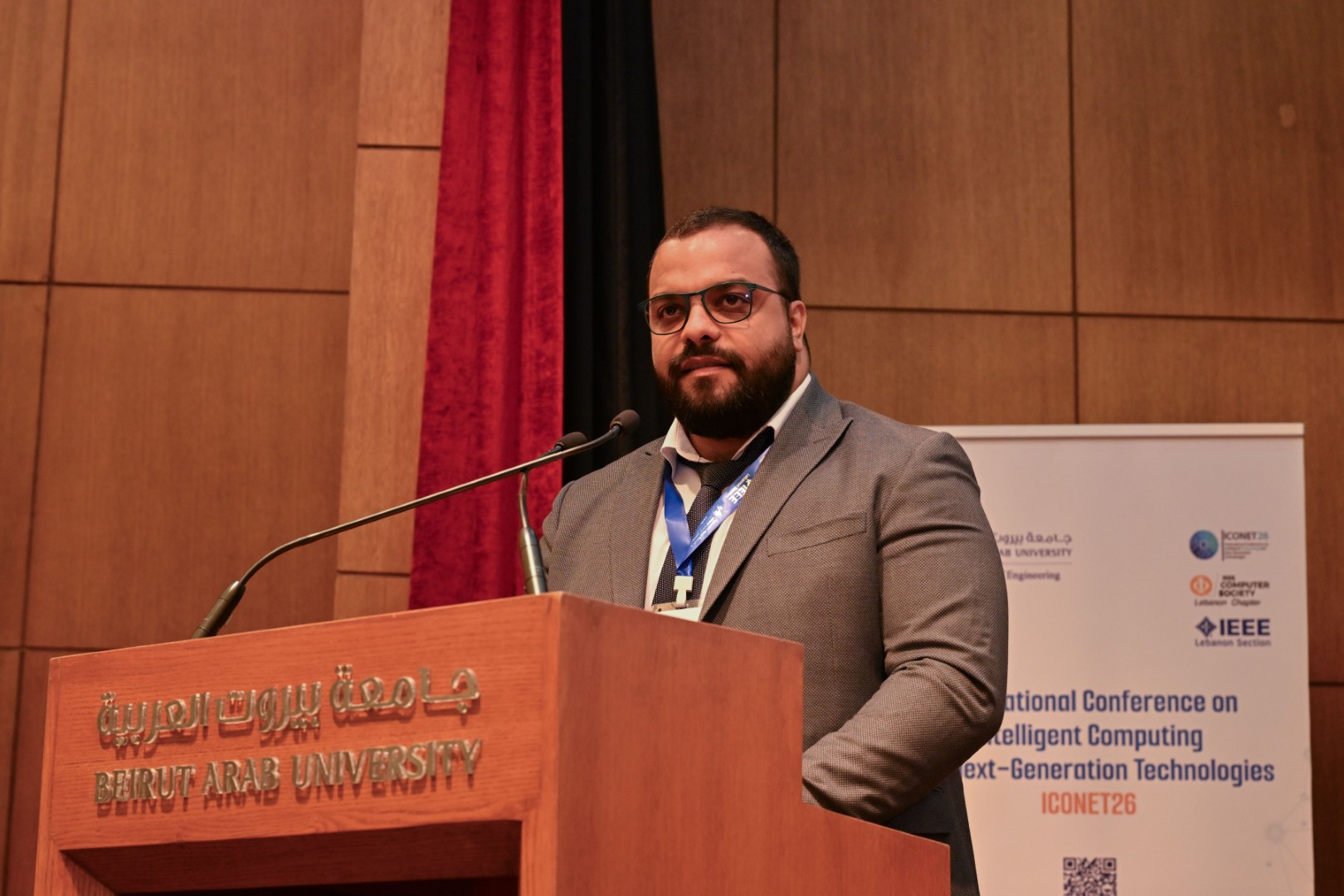
The conference master of ceremonies Dr. Hiba Bazzi initiated the opening by reviewing the trajectory of technological development from the early beginnings of the Internet to the era of artificial intelligence. She pointed out that major achievements can stem from a simple idea or a new question, emphasizing the importance of utilizing technology responsibly and safely, and encouraging researchers and students to innovate and contribute to shaping the future.
For his part, the Dean of the Faculty of Engineering Professor Yehya El Temsah, affirmed the importance of keeping pace with technological transformations by developing engineering programs and enhancing scientific research and innovation. He noted the faculty’s keenness to support emerging technologies and strengthen cooperation between universities, the industrial sector, and public institutions, pointing out that the conference constitutes an international platform for exchanging research and expertise and building new scientific partnerships.
In turn, the President of the University Professor Wael Nabil Abdel Salam, confirmed that artificial intelligence and digital transformation have become fundamental pillars in the development of education, the economy, and modern administration. He stressed the importance of updating academic programs and research laboratories, preparing engineers capable of employing technology in the service of society and sustainable development, and enhancing partnerships between universities and the public and private sectors to convert scientific research into practical solutions.
On his part, the Minister of State for Technology and Artificial Intelligence Dr. Kamal Shehadi, emphasized that digital transformation represents a necessity to boost the Lebanese economy and keep pace with global developments. He asserted that building the digital republic requires investing in infrastructure and human resources, supporting innovation and entrepreneurship, and attracting investments, thereby contributing to creating sustainable job opportunities for youth. He also indicated that achieving this transformation requires national cooperation among public institutions, universities, and the private sector.
In the same context, the Conference Chair Dr. Walid Karam, pointed out that holding this event amid the challenges facing Lebanon and the region reflects the importance of continuing innovation and developing the digital future. He praised the Ministry’s efforts in supporting digital transformation and invited students to participate in the "New Moon" initiative, which aims to enhance their practical skills in artificial intelligence and digital technology and connect them with professional opportunities.
IEEE Representative in Lebanon Nazih Mobayed, emphasized that developments in artificial intelligence, autonomous systems, and robotics open broad horizons for scientific discovery, engineering innovation, and economic growth. He stressed the necessity of keeping pace with these advances by strengthening cybersecurity, protecting privacy, and adhering to ethical standards to ensure technology is harnessed to serve humanity.
Representing the Order of Engineers and Architects in Beirut Engineer Toufic Sanan on behalf of the Head of the Order Fadi Hanna referred to the rapid acceleration in the development of artificial intelligence and digital technology. He emphasized that keeping pace with this evolution requires the availability of a solid infrastructure, high-speed internet services, stable electricity, accessible transportation, and facilities that support individuals and institutions.
The Executive Director of the conference and Chair of the IEEE Computer Society Chapter in Lebanon Engineer Elio Aoun, highlighted the importance of this scientific event in Lebanon.
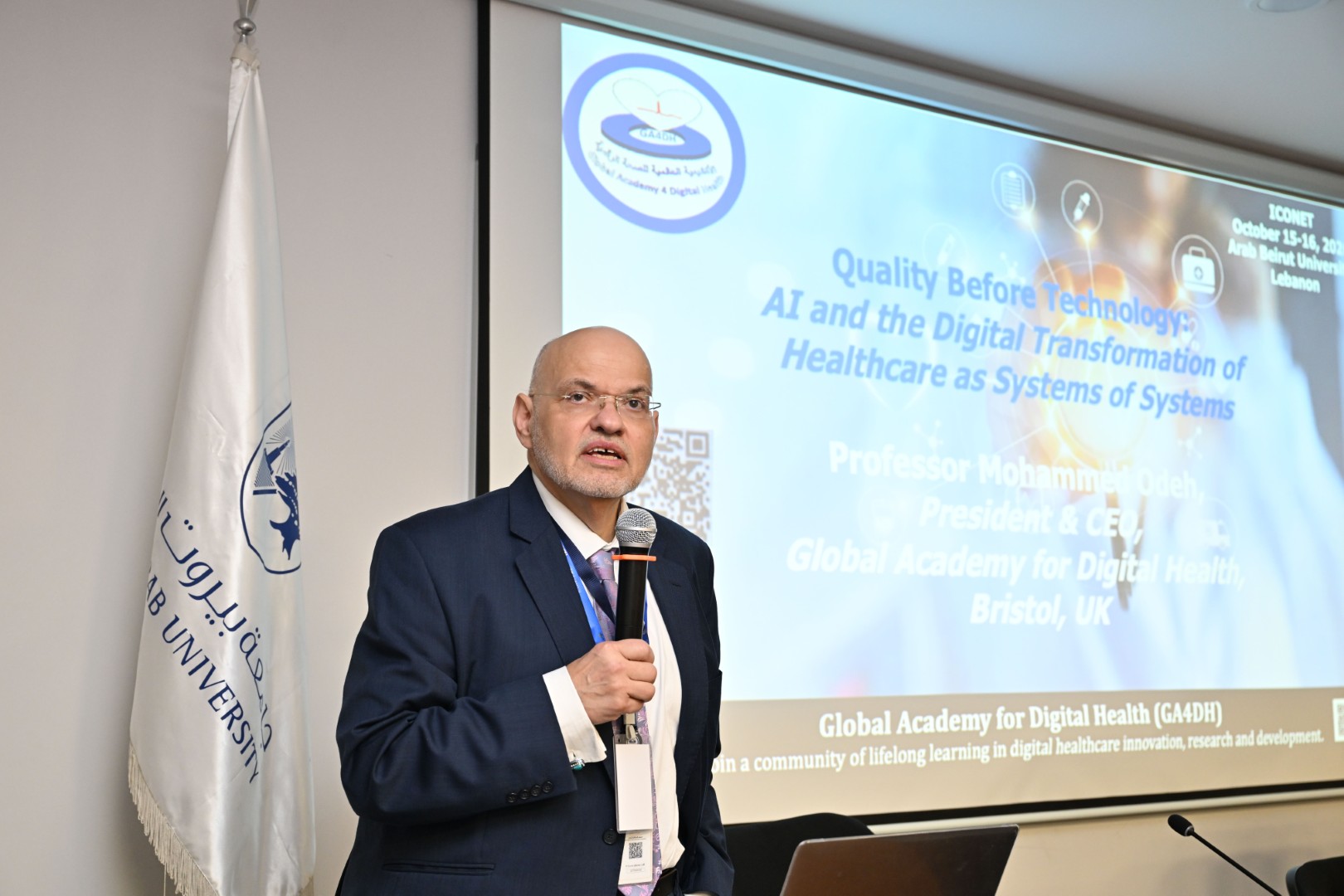
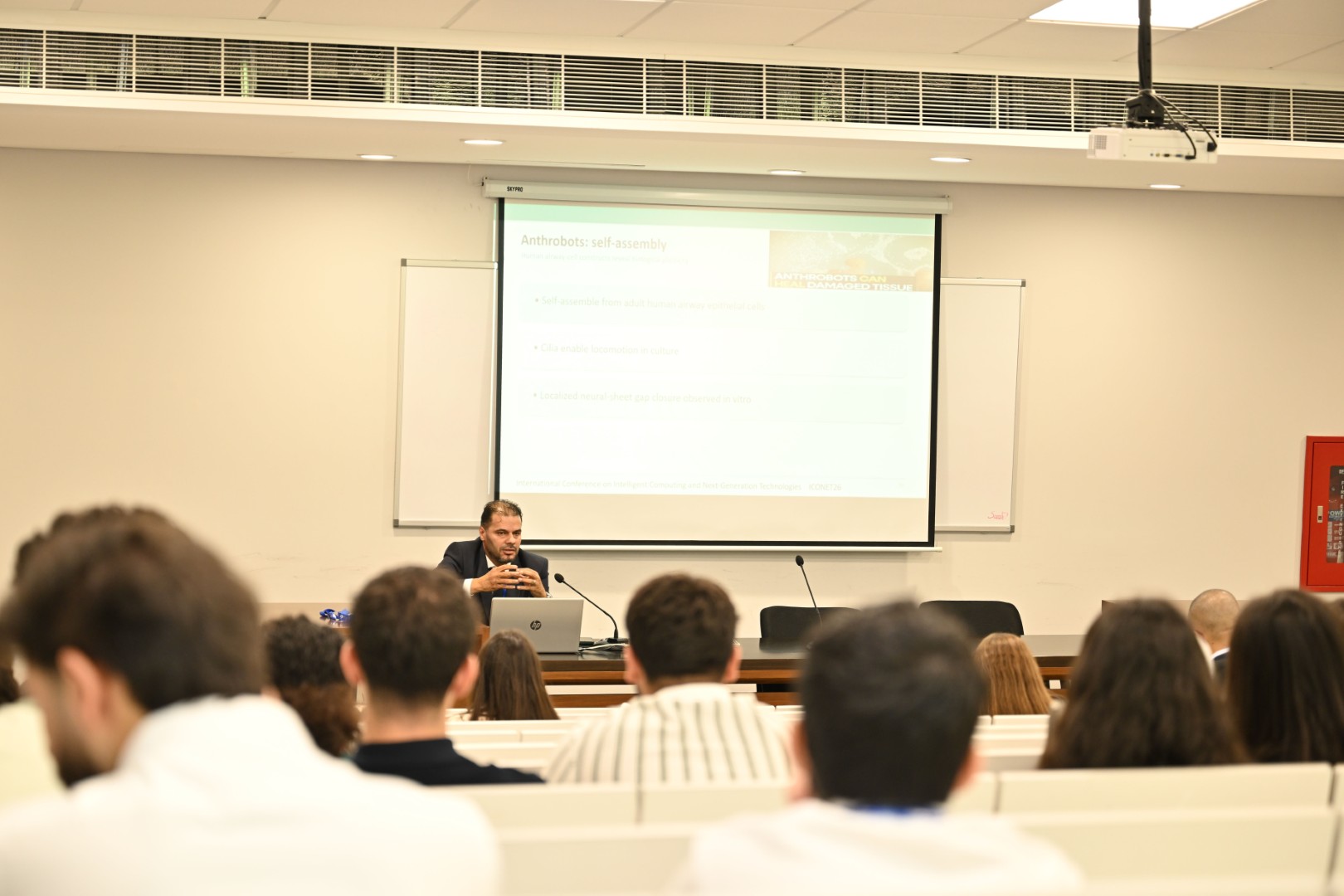
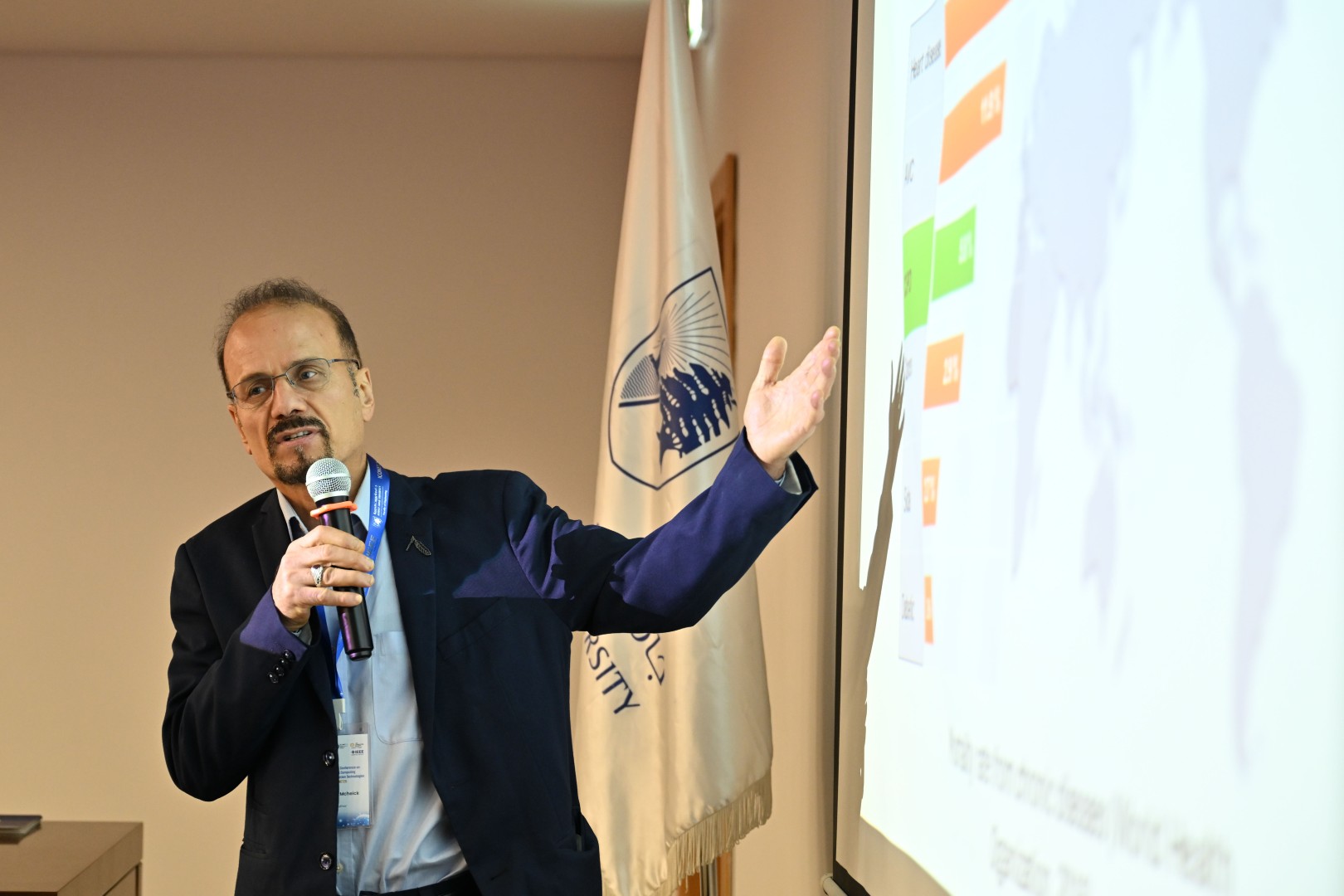
During the conference sessions, international experts spoke about the latest developments in intelligent computing, cybersecurity, next-generation networks, post-quantum technologies, and digital transformation, highlighting research challenges and future opportunities for collaboration among academic, industrial, and governmental sectors.
Participants also addressed a range of advanced topics, most notably digital transformation in healthcare, trust and security in artificial intelligence applications, medical informatics, and modern communication technologies, thereby enhancing research cooperation and opening new horizons for technological innovation and development.
Organizing this conference comes as part of Beirut Arab University’s commitment to enhancing academic excellence and technological innovation, supporting scientific research and international cooperation, and strengthening links between universities and industrial sectors, contributing to reinforcing Lebanon’s presence in the international research community.